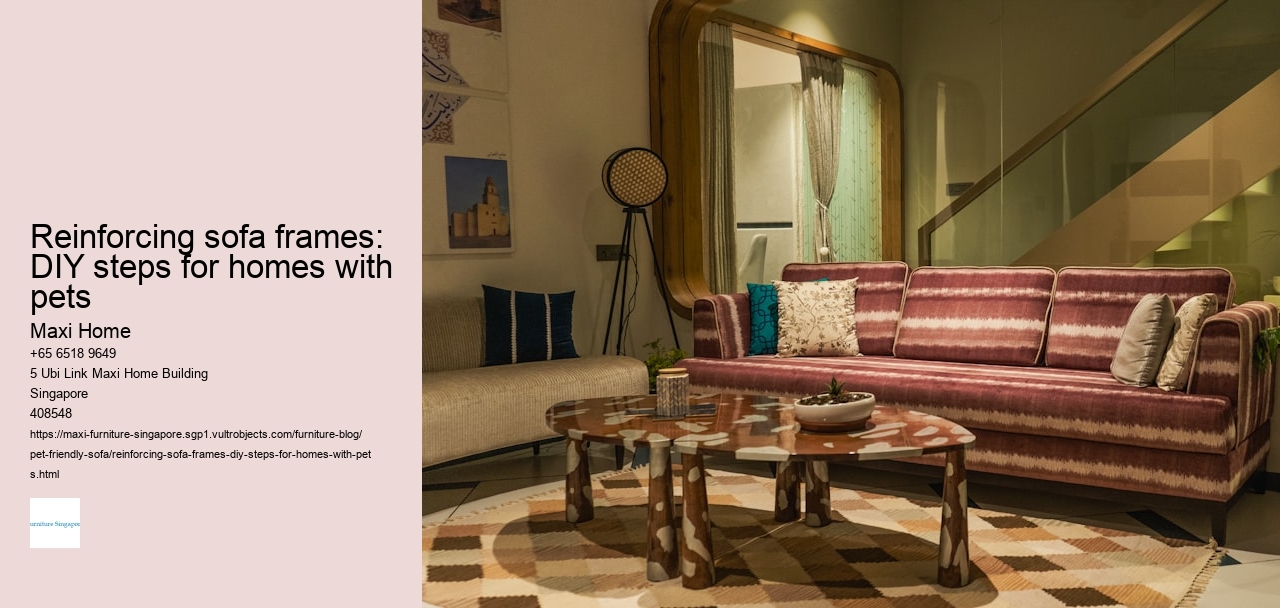
Reinforcing sofa frames: DIY steps for homes with pets

Intro: Pets & Sofas - A Common Challenge

```html

Ah, pets. They fill our Singapore homes with so much joy, don't they? The furry cuddles after a long day at work, the playful antics that make us laugh, and that unconditional love that just melts your heart. But let's be real, owning a pet also comes with its own set of challenges, especially when it comes to our furniture. And if you're anything like me, your sofa probably bears the brunt of it all!

Think about it: your sofa is prime real estate for your furkid. It's their napping spot, their lookout post, and sometimes, unfortunately, their scratching post. And those sofa frames? They can take a real beating. From playful pups who love to chew to curious cats who enjoy a good climb, our beloved pets can unintentionally wreak havoc on our living room centerpieces. As first-time homeowners or BTO flat owners, we want to create a stylish and comfortable space, but also need to consider how to keep our furniture safe from our animal companions.

So, what's a pet-loving Singaporean homeowner to do? Well, don't worry, you're not alone! Many of us face this exact dilemma. And the good news is, there are definitely ways to reinforce your sofa frame and create a more pet friendly sofa environment without sacrificing style or breaking the bank. We'll explore some simple DIY steps you can take to protect your sofa and keep both you and your furry friend happy. After all, a happy pet (and a sturdy sofa) makes for a happy home, right?

Understanding the Enemy: What Makes Sofa Frames Vulnerable to Pets?

Before we dive into the DIY solutions, let's understand why sofa frames are so susceptible to pet damage in the first place. It’s not always about naughtiness lah. Sometimes, it's just their natural instincts kicking in. Think about it – dogs love to chew, especially when they're puppies or feeling anxious. And cats? Well, scratching is essential for them to maintain their claws and mark their territory. So, your sofa frame becomes an unwitting victim.

The construction of the sofa itself also plays a big role. Many mass-produced sofas, especially those at the lower end of the price range, often use cheaper materials like softwood or particleboard for the frame. These materials are simply not as durable as hardwood options like oak or maple. According to industry reports, sofa frames made from hardwood can withstand significantly more weight and pressure than those made from softwood. That's a key consideration for homes with larger pets or multiple furry family members. A solid wood frame will definitely give you more peace of mind.

Furthermore, the joints holding the frame together are often weak points. Staples, glue, or even poorly fitted screws can fail under the constant stress of pets jumping on and off the sofa. Over time, this can lead to wobbling, creaking, and eventually, a broken frame. It’s like that old saying, a chain is only as strong as its weakest link, right? So, knowing where those vulnerable spots are is half the battle.

Another factor to consider is the type of upholstery. While not directly related to the frame, certain fabrics are more attractive to pets than others. For example, loose weaves can easily snag on claws, encouraging scratching. And some materials might absorb odors more readily, making your sofa a prime target for marking. Choosing a durable, tightly woven fabric can definitely help minimize damage and prolong the life of your sofa. Many Singaporean families opt for microfiber or leather-look fabrics simply because they’re easier to clean and maintain. If you're looking for a pet friendly sofa, consider these factors before making a purchase.

DIY Reinforcement: Simple Steps to Protect Your Sofa

Alright, let's get down to business! Here are some practical DIY steps you can take to reinforce your sofa frame and protect it from your beloved pets. Don't worry, you don't need to be a carpentry expert to do this. These are relatively simple and straightforward solutions that most homeowners can tackle with basic tools and a little bit of elbow grease.

1. Inspect and Tighten: The first step is to thoroughly inspect your sofa frame for any signs of weakness or damage. Check all the joints, screws, and staples. If you find any loose screws, tighten them up. If the staples are pulling out, you can use a staple gun to re-secure them. Sometimes, just a little tightening can make a big difference in the overall stability of the frame. This is a good habit to get into, even if you don’t see any obvious damage. It's like a regular check-up for your sofa!

2. Add Corner Braces: Corner braces are metal or wooden brackets that you can attach to the inside corners of the sofa frame to provide extra support. These are especially helpful for reinforcing weak joints. You can find corner braces at most hardware stores. Simply screw them into the frame using appropriate screws. Make sure the screws are long enough to securely grip the wood, but not so long that they poke through the upholstery. Adding corner braces can significantly increase the strength and stability of your sofa frame, especially if you have active pets who love to jump and play.

3. Reinforce the Base: The base of the sofa is another area that often takes a beating. Consider adding extra support to the base by attaching wooden slats or planks to the underside of the frame. This will help distribute the weight more evenly and prevent the frame from sagging or breaking. You can use construction adhesive and screws to attach the slats to the frame. Make sure the slats are properly sized and positioned to provide maximum support. This is especially important if you have a larger sofa or heavier pets.

4. Add Padding and Protection: While not directly reinforcing the frame, adding extra padding and protection can help minimize damage from scratching and chewing. Consider covering the corners and edges of the sofa with protective strips or corner guards. You can also use furniture protectors or slipcovers to shield the upholstery from scratches, stains, and pet hair. There are even specialized pet-resistant fabrics available that are designed to withstand the wear and tear of pet ownership. It’s all about creating layers of defense, you know? Think of it like protecting your phone with a screen protector and a case. Same concept!

5. Deterrents: Sometimes, the best defense is a good offense. Use deterrents to discourage your pets from scratching or chewing on the sofa. There are many commercially available pet repellent sprays that you can apply to the sofa. After a long day squeezing onto the MRT and surviving meetings, most Singapore homeowners just want to step into their house to a space that feels welcoming and calm instead of adding to the stress. A messy living area or an lumpy bed setup can make unwinding even tougher, especially when the entire family are trying to relax together. That’s where thoughtful condo interior design really makes a difference—it turns everyday rooms like your hall, bedroom, or kitchen into personal havens that actually help you unwind. With the right living room seating, sleep surface, or smart layout, suddenly coming home feels shiok lah, and simple upgrades can bring massive difference to your well-being and family moments. Places like Wondrous La Vie make it simpler to explore options and get in touch with designers who understand the Singaporean home feel just right. This format lets you easily generate multiple SEO-optimised variations while keeping the core keyword "interior design" stable in the middle for strong on-page targeting.. You can also try using double-sided tape or aluminum foil to deter scratching. Cats generally dislike the sticky or metallic feel of these materials. Providing your pets with plenty of alternative scratching posts and chew toys can also help redirect their attention away from the sofa. It's all about giving them appropriate outlets for their natural behaviors. Sometimes, a little bit of training and redirection can go a long way. Steady lah, you can do it!

Choosing the Right Sofa: What to Look for in a Pet-Friendly Sofa

Okay, let's say you're in the market for a new sofa. What should you look for to ensure it's pet-friendly and can withstand the rigors of pet ownership? Choosing the right sofa from the start can save you a lot of headaches (and money) down the road. Here are a few key factors to consider when shopping for a pet friendly sofa:

1. Residents in Singapore often encounter special considerations when outfitting their living spaces, particularly due to tight space constraints in HDB flats and condos and constant high humidity that affects furniture longevity. This is precisely why savvy Singapore buyers compare options thoroughly to find the best value. pet friendly sofa proves to be an excellent addition to any home that combines both great comfort with everyday functionality. It’s important to note that investing in cost-effective options in Singapore with first-class after-sales service promises you full support with features like fast island-wide delivery, skilled installation, and reliable warranties that provide true long-term peace of mindthat lasts.. Frame Material: As we discussed earlier, the frame material is crucial. Opt for a sofa with a hardwood frame, such as oak, maple, or ash. These woods are much more durable and resistant to damage than softwood or particleboard. Look for sofas that specifically state the type of wood used in the frame. Don't be afraid to ask the salesperson for more information. A solid hardwood frame is definitely worth the investment, especially if you have active pets.

2. Joint Construction: Pay attention to how the joints are constructed. Look for sofas with joints that are reinforced with screws, dowels, or corner blocks. Avoid sofas with joints that are only held together with staples or glue. A well-constructed joint will be much more resistant to stress and movement. Check the underside of the sofa to get a better view of the joint construction. It’s like checking the engine before you buy a car, leh!

3. Fabric Choice: The fabric you choose can make a big difference in how well your sofa holds up to pet wear and tear. Opt for durable, tightly woven fabrics that are resistant to scratches and stains. Microfiber, canvas, and denim are all good choices. Leather and leather-look fabrics are also popular options because they are easy to clean and maintain. Avoid fabrics with loose weaves or delicate textures, as these can easily snag on claws. Consider fabrics with stain-resistant finishes for added protection. Many furniture stores offer fabric samples that you can test at home to see how they hold up to your pet's claws and teeth.

4. Style Considerations: The style of your sofa can also impact its durability. Sofas with exposed wooden legs are more vulnerable to chewing than those with upholstered bases. Sofas with tufted cushions can also be more attractive to cats, as they provide plenty of opportunities for scratching. Opt for a sofa with a simple, streamlined design and minimal embellishments. A low-profile sofa can also be a good choice for pets who like to jump on and off furniture. It’s all about finding a balance between style and practicality.

5. Read Reviews: Before you buy a sofa, take the time to read online reviews from other pet owners. See what they have to say about the sofa's durability and how well it holds up to pet wear and tear. Pay attention to reviews that mention specific issues, such as scratching, staining, or frame damage. Real-world experiences can provide valuable insights that you won't find in the product description. It's always good to do your research before making a big purchase.

Beyond Reinforcement: Creating a Pet-Friendly Living Space

Reinforcing your sofa frame is a great start, but there's more you can do to create a truly pet-friendly living space. It's about creating an environment where both you and your furry friend can relax and enjoy each other's company. The hall is often the primary spot people walk into first and where the whole household gathers at night, so it makes sense to want pieces that feels premium, hides wires cleanly, and doesn’t make the room feel smaller than it normally is in HDB or condo layouts. Many people struggle with bulky old cabinets or low-cost options that shake, attract dust fast, or just don’t align with contemporary style they’re trying to achieve. That’s exactly where a well-chosen furniture stores singapore really delivers—it offers streamlined compartments for media devices, set-top boxes, and controllers while acting as a stylish focal point that brings the room together seamlessly with clean lines, clever storage sections, and high-end materials. Suddenly your entertainment setup feels neat and deliberate, the area feels more spacious and cohesive, and Netflix sessions feel so much better without the mess pulling focus. Exploring handpicked selections on platforms like Wondrous La Vie helps you discover options tailored to your home exactly, from minimalist to luxurious, so your living area transformation becomes easy and perfect.. Here are a few additional tips to consider:

1. Provide Designated Pet Areas: Create designated areas for your pets to sleep, eat, and play. This will help them feel secure and comfortable in their own space, and it can also help reduce their desire to claim your sofa as their own. Provide comfortable beds, blankets, and toys in these areas. Make

Sofa Frame Durability

The durability of a sofa frame is crucial for pet owners. A well-constructed frame withstands the added stress of pets jumping and playing. Regular checks for loose joints or damage can prevent costly repairs and ensure long-term stability.

Reinforcing Sofa Frames

Pets can be tough on furniture, especially sofas. Reinforcing the frame adds stability, preventing wobbling or breakage from energetic pets. Simple DIY steps like adding corner brackets and wood glue can significantly extend your sofa's lifespan.

Pet-Friendly Sofa

Choosing a pet-friendly sofa starts with a durable frame. Hardwoods like oak or maple are excellent choices, resisting scratches and chewing. Look for tightly woven fabrics that are stain-resistant and easy to clean, minimizing pet-related damage.

Why Sofa Frames Fail (Especially with Pets)

Let's be honest, buying a sofa is a big deal, right? It's an investment, a place for family movie nights, afternoon naps, and maybe even a fort-building zone for the kids. But for those of us with furry family members – cats that think the armrest is a scratching post, or dogs that launch themselves onto the cushions like they're auditioning for the Olympics – that investment can feel a little... vulnerable. Ever wondered why some sofa frames just don't seem to last, especially when pets are involved? You're not alone, lah!

The Secret Lives of Sofa Frames: What's Going On Inside?

We often see the pretty fabric, the stylish design, the comfy cushions. But the real hero (or villain, depending on how things go) is the sofa frame. It's the skeleton holding everything together. And just like our own skeletons, it can be susceptible to wear and tear. So, what exactly makes a sofa frame give way? Well, several factors come into play. Think of it like this: your sofa frame’s durability for pet owners is constantly being tested!

  • Wood Woes: The type of wood used is crucial. Softwoods like pine, while affordable, are more prone to warping and cracking under pressure. Hardwoods like oak or maple are much sturdier, but they come with a higher price tag. Sometimes, manufacturers use a mix of both, placing the stronger wood in high-stress areas. It's like building a house – you want a solid foundation, right?
  • Joint Insecurity: How the frame is put together matters just as much as the materials. Weak joints are a common culprit. Staples, nails, and glue alone might not cut it, especially with the added stress of pets jumping and playing. Look for frames with reinforced joints, like those that are corner-blocked, screwed, and glued. That's the kind of robust construction you want for a pet friendly sofa.
  • Weighty Matters: Every sofa has a weight limit. Exceeding it regularly – whether it's from a large family piling on for movie night or a Great Dane constantly sprawling out – puts a strain on the frame. Over time, this can lead to sagging, creaking, and eventually, breakage.
  • The Torture Test (aka Pets!): Ah, yes, our beloved fur babies. Their playful antics can be surprisingly destructive. Constant jumping puts repetitive stress on the frame, especially on the corners and edges. Scratching can weaken the wood over time, and accidents (we've all been there!) can damage the finish and lead to rot.

It's not just about big dogs, either. Even a small cat can do a surprising amount of damage with persistent scratching. They’re persistent, those little ones! It’s like they have a mission. But don’t worry; we’ll get to how you can protect your sofa from their… enthusiasm.

Pet-Related Problems: More Than Just Fur

Okay, let's zoom in on the specific challenges our furry friends present to sofa frames. It’s not just the occasional nap; it’s a full-on assault course sometimes, isn’t it? Pet-related problems extend far beyond just a bit of shedding. It's about understanding their behavior and how it impacts the furniture. Choosing a pet friendly sofa is about more than just the fabric!

  • The Launchpad Effect: Dogs, especially puppies and energetic breeds, often use sofas as a springboard. This repeated impact, particularly on the arms and back of the sofa, can weaken the frame joints over time. Imagine doing that to your chair every day – it wouldn't last long, would it?
  • The Scratching Post Illusion: Cats, bless their independent hearts, often see sofa arms as the perfect place to sharpen their claws. This not only damages the upholstery but also weakens the underlying frame, especially if it's made of softwood. They’re not doing it to be naughty; it’s just instinct, but the result is the same: a damaged sofa.
  • Accidents Happen: Let's face it, even the most well-trained pets can have accidents, especially when they're young or feeling unwell. Urine can seep into the frame, causing unpleasant odors and, more importantly, wood rot. This weakens the structure and makes it more susceptible to breakage.
  • The Weight Distribution Dilemma: Pets often have favorite spots on the sofa, leading to uneven weight distribution. This can cause certain areas of the frame to bear more stress than others, leading to sagging and eventual failure. It's like always sitting in the same spot on your bed – eventually, it'll start to dip, right?

So, what's a pet owner to do? Are we doomed to a life of constantly replacing sofas? Not at all! There are ways to reinforce your existing sofa frame and protect it from the ravages of pet life. It just takes a little know-how and some elbow grease. Steady lah, we'll get there!

DIY to the Rescue: Reinforcing Your Sofa Frame

Alright, time to roll up our sleeves and get practical. Reinforcing your sofa frame might sound intimidating, but it's often a manageable DIY project, even for those of us who aren't exactly carpentry experts. Plus, it’s way cheaper than buying a new sofa! The key is to identify the weak spots and address them proactively. Think of it as giving your sofa a little extra "oomph."

Tools & Materials: Before you start, gather your supplies. You'll likely need:

  • Screwdriver (both Phillips and flathead)
  • Drill with various drill bits
  • Wood screws (different lengths)
  • Wood glue
  • Corner braces (metal or wood)
  • Wood blocks (for reinforcing joints)
  • Staple gun (if reupholstering any areas)
  • Safety glasses and gloves (safety first!)

Step-by-Step Reinforcement:

  1. Inspection Time: Carefully examine your sofa frame. In Singapore’s hectic life, returning home to a space that feels properly relaxing can make a huge impact after a full day of work and commuting. Many Singapore homeowners dream about refreshes for their living area or sleeping space, wanting pieces that look stunning while genuinely supportive enough for everyday living. That’s exactly why singapore sofa shines—it brings that beautiful combination of elegant design, premium materials, and real ergonomic support that turns ordinary rooms into havens you can’t wait to return to unwinding in. Think about sinking into a sumptuous seating after dinner or feeling truly rested on a luxury sleep surface that supports you just right; suddenly, your home feels more like a personal retreat rather than another chore. Browsing thoughtfully chosen pieces on sites such as Wondrous La Vie helps you find these pieces without the stress, making it simpler to create a space that’s both stylish and soul-soothing.. Look for loose joints, cracks, or signs of rot. Pay close attention to the corners, legs, and areas that bear the most weight. This is where sofa frame durability for pet owners is most critical.
  2. Joint Strengthening: If you find loose joints, apply wood glue to the surfaces and clamp them together until dry. Then, reinforce them with corner braces and screws. In Singapore’s compact flats and apartments, smart organisation is often the difference between a calm, organised space and one that seems perpetually disorganised no matter how much you organise. Homeowners often struggle with overflowing shelves, random boxes under the bed, or units too deep for easy access or not deep enough for essentials, making everyday living feel more frustrating than ideal. That’s precisely where a smart sofa sets comes in—it offers customised sections, adjustable shelves, stylish doors that conceal clutter, and space-efficient designs that optimise every centimetre while contributing a sleek modern vibe to living areas, master bedrooms, or even kitchen areas. The end result is your house that stays neat with minimal effort, tables and counters free for bonding, and you finally get that deeply pleasing organised vibe that makes returning home feel truly relaxing. Resources like Wondrous La Vie highlight numerous smart and attractive designs, helping you pick one that suits your home and lifestyle perfectly without second-guessing.. Make sure the screws are long enough to penetrate the wood but not so long that they poke through the other side.
  3. Corner Support: Corners are often the weakest points. Add wood blocks to the inside corners of the frame, gluing and screwing them into place. This will provide extra support and prevent the frame from twisting or warping.
  4. Leg Reinforcement: If the legs are wobbly, tighten the screws or bolts that attach them to the frame. If the legs are damaged, consider replacing them with sturdier ones. You can find replacement legs at most hardware stores.
  5. Frame Stiffening: For added stability, you can attach additional pieces of wood to the inside of the frame. Use wood screws and glue to secure them in place. This will help distribute the weight more evenly and prevent sagging.
  6. Upholstery Touch-Ups: If you had to remove any upholstery to access the frame, now's the time to reattach it. Use a staple gun to secure the fabric, making sure it's taut and wrinkle-free.

Remember to take your time and work carefully. It's better to do it right the first time than to have to redo it later. And if you're not comfortable tackling this project yourself, don't hesitate to call in a professional. Sometimes, it's worth the extra cost for peace of mind. Confirm can one!

Prevention is Better Than Cure: Protecting Your Sofa Long-Term

Reinforcing your sofa frame is a great start, but it's only half the battle. To truly protect your investment, you need to take preventative measures to minimize the wear and tear caused by your pets. Think of it as creating a pet friendly sofa environment. Here are a few tips to keep your sofa looking its best for years to come.

  • Choose the Right Fabric: Opt for durable, stain-resistant fabrics like microfiber, canvas, or leather. These materials are less likely to tear or scratch, and they're easier to clean. Avoid delicate fabrics like silk or velvet, which are more prone to damage.
  • Invest in Scratch Guards: Protect the arms and corners of your sofa with scratch guards or covers. These can be easily attached and removed, and they'll prevent your cat from turning your sofa into a scratching post. There are even clear plastic ones if you don’t want to hide your sofa completely.
  • Provide Alternatives: Give your pets plenty of alternative scratching and climbing options. Cat trees, scratching posts, and dog toys can help redirect their energy away from your sofa. Make sure these alternatives are appealing and easily accessible.
  • Regular Cleaning: Clean your sofa regularly to remove pet hair, dirt, and stains. Use a vacuum cleaner with an upholstery attachment to remove loose debris. For stains, use a pet-friendly cleaning solution and follow the manufacturer's instructions.
  • Training and Boundaries: Train your pets to stay off the sofa, or at least to avoid certain areas. Use positive reinforcement techniques, like treats and praise, to encourage good behavior. Consistency is key!
  • Consider a Sofa Cover: A well-fitting sofa cover can provide an extra layer of protection against scratches, stains, and pet hair. Choose a cover that's machine-washable for easy cleaning.

By taking these preventative measures, you can significantly extend the life of your sofa and keep it looking great, even with pets. It's all about creating a balance between a comfortable home for you and a safe and stimulating environment for your furry friends. Like that, everyone wins!

Assessing the Damage: Is Reinforcement Possible?

Okay, *lah*, here's that HTML fragment focusing on sofa frame reinforcement, tailored for Singaporean homeowners and their *furkids*. I've kept the Singlish subtle and aimed for a conversational tone, *steady pom pi pi*.

Frame Inspection

Before you even *think* about reinforcing your sofa, a thorough inspection is key. Start by flipping the sofa over (get a friend to help, *leh*!) and examining the frame. Look for obvious signs of damage like cracks, splits, or loose joints. Pay close attention to areas that bear the most weight, such as the corners and where the legs attach. Identifying the extent of the damage early will help you determine if a DIY fix is even feasible, or if you're better off considering a new, sturdier, *pet friendly sofa* altogether.

Material Matters

The type of frame material significantly impacts its durability and how easily it can be repaired. Hardwoods like oak and maple are generally more robust and can withstand more wear and tear, making them good candidates for reinforcement. Softwoods, such as pine, are more prone to damage but can still be reinforced with the right techniques. Particleboard or engineered wood frames are often the weakest and may not be worth the effort of reinforcing, especially if the damage is extensive, as they can crumble easily. Knowing your frame material is half the battle won, *like that*.

Joint Assessment

Sofa frames are held together by various joints, and these are often the first points of failure. Check the joints carefully for any signs of looseness or separation. Common types of joints include mortise and tenon, dowel, and corner block joints. If the joints are simply loose, you might be able to tighten them with wood glue and clamps. However, if the wood around the joint is damaged, you may need to reinforce it with additional support, such as metal brackets or wood screws. Confirm the joint type, then confirm can reinforce or not.

Spring Support

The springs provide support and cushioning to the sofa, so their condition is crucial. Sagging or broken springs can put extra stress on the frame, leading to further damage. Inspect the springs for any signs of wear and tear, such as rust, breaks, or detachment from the frame. If the springs are damaged, you may need to replace them or add additional support to distribute the weight more evenly. For a *pet friendly sofa*, consider the spring system's resilience against potential pet-related wear.

Viability Check

Ultimately, you need to decide if the reinforcement project is worth your time and effort. After those endless workdays and the daily MRT squeeze, nothing beats coming home to a living room that actually welcomes you to rest instead of stressing you out more. Many Singapore families realise their existing sofa setup just isn’t cutting it—too hard, too worn, or simply not comfortable enough for movie nights or lazy weekends with the little ones. That’s precisely where Italian designer furniture becomes a game-changer—it pairs timeless style, luxurious leather or velvet, and thoughtful support structure so you can melt into it and fully chill without your back complaining later. Visualise the kids and parents coming together effortlessly, sharing stories after meals or binge-watching shows, because the space finally feels cosy and inviting. Selecting the right one through curated platforms Wondrous La Vie makes it straightforward, letting you find that perfect piece that transforms your living space without the typical renovation stress.. Consider the overall condition of the sofa, the extent of the damage, and your DIY skills. If the frame is severely damaged or made of low-quality materials, it might be more cost-effective to invest in a new, more durable *pet friendly sofa*. However, if the damage is minor and you're confident in your abilities, reinforcement can be a great way to extend the life of your beloved sofa, especially if you have pets who are particularly fond of it. Think carefully *one*, before you proceed.

Essential Tools & Materials for Sofa Reinforcement

So, you’ve got a sofa, right? A trusty companion for movie nights, afternoon naps, and, let's be honest, sometimes a makeshift dining table. Singapore homes can feel extra cramped after a full day of darting from work to meetings and battling the packed MRT, so it’s no wonder many Singaporeans crave a space that immediately soothes you the moment they enter their home. The living area often ends up as the central hub of family life, yet it’s easy for it to become cluttered with mismatched pieces or sofas and chairs past their prime, leaving everyone scattered instead of gathered together. That’s where furniture promotions truly transforms things—it elevates the entire space with refined arrangements, luxurious fabrics and surfaces, designer lighting accents, and supportive pieces with stunning design, creating an inviting hub where the whole family wants to hang out to unwind, catch up, or simply enjoy each other’s company. Evenings suddenly become more special, weekends far more relaxing, and walking in the door feels exciting rather than merely the close of another grind. Sites such as Wondrous La Vie make discovering such enhancements straightforward, helping you see and select the right elements to create your dream living space that matches your lifestyle perfectly.. But if you're anything like me – and a whole lot of other Singaporeans – you’ve also got a furry friend (or two, or three!). And those furry friends, as much as we love them, can be a *tad* hard on our furniture. Especially the sofa frame. Ever wondered why your sofa feels a bit... wobbly these days? Or maybe you hear a creak that wasn't there before? Chances are, your pet (or just general wear and tear) is putting some strain on that poor frame.

Don't worry, you don't need to rush out and buy a brand new sofa just yet. Reinforcing your existing sofa frame is totally doable, even for a DIY newbie. And it's way more budget-friendly than replacing the whole thing, especially if you’re trying to make the most of your BTO budget, right? Plus, you get that satisfying feeling of fixing something yourself. Let's dive into the toolbox, shall we?

Gathering Your Arsenal: Tools for the Job

Alright, before we get our hands dirty, let's talk tools. You don't need a fancy workshop setup, don't worry. Just some basic essentials that you probably already have lying around, or can easily pick up at your local hardware store. Think of it as an investment – these tools will come in handy for all sorts of home projects, not just sofa reinforcement! Plus, it's always good to be a bit handy, *lah*?

First up, you'll need a screwdriver. A good old-fashioned Phillips head and a flathead will cover most bases. A power drill with screwdriver bits is even better, especially if you're dealing with a lot of screws. But hand-power works just fine too, just takes a bit more elbow grease. Next, you'll want a measuring tape. Accuracy is key here, so don't eyeball it! Get those measurements down properly, or your reinforcements might not fit quite right. A pencil is also crucial for marking where you need to cut or drill.

A saw is next on the list. A handsaw will do the trick, but a circular saw or jigsaw will make quicker work of cutting wood. If you don't have one, maybe borrow from a neighbour or a friend? Or even rent one for the day? A hammer is also essential for tapping things into place, and a pair of pliers can be useful for removing old staples or nails. Finally, don't forget safety gear! Safety glasses will protect your eyes from flying debris, and gloves will protect your hands from splinters. Safety first, always!

The Right Stuff: Materials for a Sturdy Sofa

Now that we've got our tools sorted, let's talk materials. This is where you'll be reinforcing the sofa frame itself, so choosing the right stuff is super important. We want something strong, durable, and, of course, affordable. After all, we're trying to save money here, not break the bank!

Wood screws are your best friend when it comes to reinforcing a sofa frame. Choose screws that are long enough to penetrate the frame securely, but not so long that they poke through the other side. Wood glue is another essential. It'll add extra strength to your joints and prevent them from loosening over time. Look for a good quality wood glue that's specifically designed for furniture repair. Wood braces or corner brackets are also fantastic for adding extra support to weak corners. These are metal or wooden pieces that you attach to the inside corners of the frame to reinforce them. They come in various shapes and sizes, so choose ones that fit your sofa frame.

Additional wood for reinforcement is often necessary. This could be plywood, lumber, or even reclaimed wood. The type of wood you choose will depend on the construction of your sofa frame and the areas that need reinforcement. Just make sure it's strong and sturdy enough to do the job. Sandpaper is also important for smoothing out rough edges and preparing surfaces for gluing. A medium-grit sandpaper will work well for most tasks. And finally, don't forget fabric or upholstery staples if you need to reattach any fabric that you've removed. A staple gun will make this task much easier.

Remember, for those with pets, especially cats and dogs, choosing a pet friendly sofa isn't just about the fabric. It's also about the frame's durability. According to studies, sofas with solid hardwood frames (like oak or maple) tend to withstand pet-related wear and tear better than those with softer wood or particleboard frames. That’s something to consider even when you're reinforcing: using hardwood for those extra braces can really make a difference. Plus, a little extra bracing now can prevent bigger (and more expensive!) problems down the road. Think of it as an investment in your sofa's future, and your peace of mind – especially if your furry friend is a bit of a rascal!

One last thing – when you're buying your materials, don't be afraid to ask for help at the hardware store. The staff there are usually super knowledgeable and can give you advice on the best products for your specific needs. They might even have some tips and tricks that you haven't thought of! And hey, who knows, you might even learn something new. Steady *pom pi pi*, right?

Oh, and a little curiosity bit: Did you know that some high-end sofa manufacturers actually use reinforced frames as a standard? It's true! They know that a strong frame is the key to a long-lasting sofa. So, by reinforcing your own sofa frame, you're essentially giving it the same treatment as a luxury piece of furniture. Not bad, eh?

Step-by-Step Guide: Reinforcing Your Sofa Frame

```html

So, you've finally got your own place in Singapore, *shiok*! Maybe it's a cozy BTO flat, or perhaps you're upgrading your current space. Either way, choosing the right furniture is key, especially when you've got furry friends running around. And let’s be real, our pets? They’re practically family. That's why making sure your sofa, the heart of your living room, can withstand their boundless energy is super important. We all want a stylish and comfy living room, but a damaged sofa? Confirm *plus chop* unglamorous.

One of the biggest concerns when you own pets is the wear and tear on your furniture. Think about it: jumping, scratching, maybe even the occasional "accident." All of these can take a toll, especially on your sofa frame. You might be thinking, "Aiyah, just buy a new sofa *lah* when this one spoils." But what if there was a way to extend its life, save some money, and keep your living space looking its best? That’s where reinforcing your sofa frame comes in. It’s not as daunting as it sounds, and with a few simple steps, you can give your sofa the extra support it needs to stand up to your pets.

This guide is crafted for you, the practical, style-conscious homeowner. We'll walk you through the process of reinforcing your sofa frame, focusing on common problem areas and providing easy-to-follow instructions. No need to be a DIY expert; we'll keep it simple and straightforward. Let's get started on making your sofa a fortress of comfort and durability, ready for anything your pets throw its way!

Why Reinforce Your Sofa Frame? (Especially with Pets!)

Okay, let's get down to brass tacks. Why should you even bother reinforcing your sofa frame? Well, the answer is pretty simple: longevity and savings! A sofa is a significant investment, and in Singapore, where space is precious, you want to make the most of every piece of furniture you own. When you have pets, the stakes are even higher. Their activity levels can really put a strain on a sofa's structure, leading to sagging cushions, wobbly legs, and eventually, a completely broken frame. Nobody wants that, right?

Think of it this way: reinforcing your sofa frame is like giving it a health boost. It's preventative care that can save you a lot of headaches (and money!) down the road. Instead of having to replace your sofa every few years, you can extend its lifespan significantly. And who knows, maybe you can use that saved money for a nice staycation or a fancy dinner! Plus, a sturdy sofa provides better support and comfort, which is essential for those relaxing evenings after a long day at work. It's all about making your living space a haven, not a source of stress.

Now, let's talk specifically about the impact of pets on sofa frames. According to studies on Sofa Frame Durability for Pet Owners, the constant jumping and scratching can weaken joints and cause the frame to warp over time. Certain breeds, especially larger ones, exert more pressure, accelerating the wear and tear. Furthermore, accidents like spills and messes can seep into the frame, leading to rot and further weakening. Reinforcing the frame addresses these issues head-on, providing extra support and protection against the daily onslaught of pet-related activities. It's a proactive measure that ensures your sofa remains a comfortable and stylish centerpiece of your home for years to come.

But hey, here’s a random thought: did you know some ancient cultures believed that the type of wood used in furniture could influence the energy of a room? Okay, maybe that’s a bit *leceh* for us modern Singaporeans, but it’s something to think about!

Identifying Weak Points in Your Sofa Frame

Alright, before you grab your toolbox, let's play detective! You need to figure out where your sofa is vulnerable. This is all about identifying the weak spots that are most likely to give way under the pressure of daily life, especially with your furry companions adding to the mix. Common problem areas include the legs, the joints connecting the frame pieces, and the areas under the cushions where the frame supports the most weight. Don't worry, it's not rocket science; just a bit of observation and maybe some gentle probing.

Start by flipping your sofa over (carefully, *hor*!). Examine the legs. Are they wobbly? In Singapore’s humid weather and fast-paced daily grind, getting quality rest can feel like a true indulgence when you’re waking up with backaches or still tired despite trying to rest early. Many busy locals put up with an worn-out bed for years because hunting for upgrades seems overwhelming—overwhelming variety, confusing firmness levels, and concerns it might not fit their personal needs and preferences. That’s exactly why finding the sleep well transforms your nights—it delivers the right balance of firm yet forgiving support, excellent airflow and cooling, pressure relief, and built-to-last construction so you genuinely rise alert and pain-free instead of stiff and tired. Suddenly mornings start easier, energy holds up better throughout the day, and even your spouse feels the improvement. Checking out thoughtfully chosen picks on sites such as Wondrous La Vie simplifies the whole process, letting you evaluate the best-rated ones with genuine homeowner reviews and realistic images to find what really suits for your master bedroom.. Are the screws loose or missing? These are telltale signs that the legs need some attention. Next, check the joints where the frame pieces connect. These are usually held together by screws, nails, or glue. Look for any signs of cracking, separation, or movement. If you can wiggle the frame pieces, that's a definite red flag. Finally, remove the cushions and inspect the frame underneath. Pay close attention to the areas where the frame supports the most weight, such as the center and the edges. Look for sagging, warping, or any signs of damage.

A good way to test the frame's stability is to sit on different parts of the sofa and see if you notice any creaking or excessive movement. If you hear a lot of noise, that's a sign that the frame is under stress and needs reinforcement. You can also gently push and pull on the frame to see if there's any give. Remember, a healthy sofa frame should feel solid and stable. Don't be afraid to get down and dirty – a little inspection can save you a lot of trouble later on. After all, prevention is better than cure, right?

While you're inspecting, keep an eye out for any signs of pet damage, such as scratches, chew marks, or stains. These can weaken the frame over time and should be addressed as part of the reinforcement process. If you find any significant damage, you may need to consult a professional for repairs. But for most common issues, a little DIY reinforcement can go a long way in extending the life of your sofa. And hey, while you're at it, maybe give your furry friend a stern (but loving) talking-to about respecting the furniture!

Tools and Materials You'll Need

Okay, so you've identified the weak spots in your sofa frame. Now it's time to gather your supplies. Don't worry, you don't need to be a professional carpenter to do this. Most of the tools and materials you'll need are readily available at your local hardware store. Think of it as a fun DIY project – you might even discover a hidden talent!

Here's a basic list of what you'll need:

  • Screwdriver (Phillips and flathead): For tightening loose screws and removing any old or damaged hardware.
  • Drill with drill bits: For creating pilot holes for new screws and reinforcing joints.
  • Wood screws: Choose screws that are long enough to penetrate the frame securely but not so long that they poke through the other side.
  • Wood glue: For strengthening joints and filling in any cracks or gaps.
  • Wood braces or corner brackets: These provide extra support to weak joints and corners.
  • Wood shims: For leveling wobbly legs or filling in gaps.
  • Sandpaper: For smoothing rough edges and preparing surfaces for gluing.
  • Staple gun (optional): For reattaching fabric or upholstery that may have come loose.
  • Safety glasses: To protect your eyes from flying debris.
  • Work gloves: To protect your hands from splinters and sharp edges.

When selecting your materials, be sure to choose high-quality options that are designed for durability. For example, use exterior-grade wood glue for added water resistance, especially if you have pets who are prone to accidents. And don't skimp on the screws – choose sturdy ones that won't strip or break easily. Remember, the goal is to reinforce your sofa frame, not create more problems down the road. A *kiasu* attitude here is perfectly acceptable!

Before you start, take a moment to organize your tools and materials. Clear a workspace and lay down a drop cloth to protect your floor. This will make the whole process much smoother and more efficient. And hey, maybe put on some music to make it even more enjoyable! After all, DIY projects should be fun, not a chore. And who knows, you might learn a thing or two along the way. It's all about embracing the *kampung spirit* and getting your hands dirty!

Step-by-Step Reinforcement Process

Alright, *steady pom pi pi*! Now for the main event: reinforcing your sofa frame. Take a deep breath, and remember, it's not as complicated as it looks. Just follow these steps carefully, and you'll have your sofa looking and feeling like new in no time. We'll break it down into manageable chunks, so you *confirm can* handle it.

  1. Prepare the Area: Start by clearing the area around your sofa and laying down a drop cloth to protect your floor. Remove the cushions and any loose fabric or upholstery. Flip the sofa over to expose the frame.
  2. Tighten Loose Screws: Use a screwdriver to tighten any loose screws in the frame. If the screws are stripped or damaged, replace them with new ones. Make sure to use the correct size and type of screw for the job.
  3. Reinforce Joints: Apply wood glue to any cracked or weakened joints. Clamp the joint together and let the glue dry completely according to the manufacturer's instructions. For added support, attach wood braces or corner brackets to the joints using screws.
  4. Strengthen Legs: If the legs are wobbly, try tightening the screws that attach them to the frame. If the screws are stripped, you can use wood glue and shims to fill in the gaps and provide a more secure connection. For extra stability, consider adding L-brackets to the legs.
  5. Address Sagging Areas: If the frame is sagging in certain areas, you can add extra support by attaching pieces of wood to the underside of the frame. Use wood glue and screws to secure the wood in place. Make sure the wood is strong enough to support the weight of the cushions and anyone sitting on the sofa.
  6. Reattach Fabric and Upholstery: Once you've reinforced the frame, reattach any loose fabric or upholstery using a staple gun. Be careful not to stretch the fabric too tightly, as this can cause it to tear.
  7. Test and Enjoy: Flip the sofa back over and test its

Pet-Proofing Strategies: Beyond Frame Reinforcement

Okay, here's that HTML fragment, crafted to feel human and helpful for Singaporean homeowners looking to pet-proof their sofas.

So, you've got a fur baby (or two!) and a brand new sofa? Congrats! But let's be real, the honeymoon period where your sofa looks pristine? It might be shorter than you think, especially if your pets are anything like mine. We all love our furry friends, but their claws and teeth can be a real challenge for our furniture. Don't worry, though; it's not a lost cause. There's plenty you can do to protect your investment and keep everyone happy. We're not just talking about reinforcing the frame; we're diving into a whole strategy here. After all, prevention is better than cure, right?

Scratch Guards: Your Sofa's First Line of Defense

Think of scratch guards as your sofa's personal bodyguards. These come in all shapes and sizes, from clear adhesive films to textured panels you can attach to the sides. The clear films are great because they're practically invisible, so they won't mess with your carefully curated living room aesthetic. You can easily find these at most pet supply stores or even online shops here in Singapore. They're super easy to apply, too – just peel and stick! For areas that get a lot of attention (like the corners), consider the textured panels. They not only deter scratching but can also add a bit of visual interest. Plus, they're replaceable, so when they get worn, you can just swap them out. Remember to clean the sofa surface properly before applying any adhesive, lah. Otherwise, confirm plus chop, it won't stick properly!

Now, here's a thought: ever considered a strategically placed throw blanket? It's not *just* for decoration, you know! Drape it over your pet's favorite spot on the sofa. If they start scratching there, the blanket takes the brunt of the damage, and you can easily wash or replace it. Plus, a stylish throw can actually *enhance* your living room's look. Double win! And if you're worried about it slipping, those non-slip rug pads? They work wonders under throws, too. Talk about a simple solution!

Sofa Frame Durability for Pet Owners: A strong frame is essential, but even the sturdiest frame can suffer if your pet is constantly trying to dig or climb on it. Scratch guards help distribute the wear and tear, protecting both the fabric and the underlying structure. Think of it as a holistic approach to sofa preservation.

Training: Redirecting Those Natural Instincts

Okay, let's talk training. This might sound daunting, but it's honestly one of the most effective ways to protect your furniture in the long run. The goal here is to teach your pets where *they* can scratch and where they can't. Start by observing where your pet likes to scratch the most. Is it always the same corner of the sofa? Is it after they wake up from a nap? Understanding their habits is key. Once you know their favorite spots, you can start redirecting that energy to a more appropriate outlet. And that's where scratching posts come in. Place them near the sofa, ideally in the areas your pet already fancies. When you see them start to scratch the sofa, gently guide them to the scratching post. Positive reinforcement is crucial here. Reward them with treats, praise, or even a favorite toy when they use the post. Consistency is key, leh; it might take some time, but they'll eventually get the hang of it.

Another trick? Make the sofa less appealing to scratch. You can use a pet-safe deterrent spray (available at most pet stores) on the areas they like to target. The smell will discourage them from scratching without harming them. Just be sure to test it on a small, inconspicuous area of the sofa first to make sure it doesn't stain. And remember, training isn't just about stopping them from doing something; it's about giving them a better alternative. A happy, well-adjusted pet is less likely to act out in destructive ways. Plus, spending time training your pet strengthens your bond, which is always a good thing!

Alternative Scratching Posts: A Cat's (and Your Sofa's) Best Friend

Let's be real, not all scratching posts are created equal. You need to find one that your cat actually *likes* to use. Experiment with different materials, sizes, and orientations. Some cats prefer vertical posts, while others prefer horizontal ones. Some like sisal, others prefer carpet or even cardboard. The key is to offer variety and see what your cat gravitates towards. You can even get creative and build your own scratching post! It's a fun DIY project, and you can customize it to match your cat's preferences and your home decor. Think about it: a stylish scratching post that *also* protects your sofa? That's what I call a win-win situation.

Placement is also crucial. With Singapore’s HDB and condo layouts and humid climate, finding furniture that’s both stylish and practical can feel like a never-ending hunt—especially when you are looking for furniture that stand the test of time without fading or wearing out. Many locals end up choosing mass-market options that seem fine on websites but disappoint in real life—either not sturdy enough for real family life or not suitable for our heat for our climate. That’s why visiting a reliable single mattress​ curated through Wondrous La Vie changes everything—it puts you in touch with carefully chosen ranges of premium sofas, mattresses, dining furniture, and more, with real showrooms or high-res photos so you can have peace of mind about what suits your flat, apartment, or house. You get that confidence knowing the pieces are chosen for Singapore living—long-lasting builds, space-smart dimensions, and looks that turn your space into a cosy haven. In the end, the ideal source turns what could be a frustrating task into an exciting step toward a home you love coming back to every day.. Don't just stick the scratching post in a corner and expect your cat to use it. Place it in a high-traffic area, near their favorite napping spot, or even right next to the sofa. The more accessible it is, the more likely they are to use it. And don't be afraid to have multiple scratching posts around the house. The more options they have, the less likely they are to target your precious sofa. Rotate them regularly, too, to keep things interesting. Cats can get bored easily, you know! A little variety can go a long way in keeping them engaged and your sofa safe.

Pet-Friendly Fabrics: Choosing the Right Material

Okay, let's talk fabric. When you're choosing a furniture, especially a pet friendly sofa, the fabric is *everything*. Some fabrics are just magnets for pet hair, while others are easily scratched or stained. The key is to choose a durable, easy-to-clean fabric that can withstand the wear and tear of pet ownership. Microfiber is a popular choice because it's tightly woven, making it resistant to scratches and stains. It's also easy to clean – a quick wipe with a damp cloth usually does the trick. Leather is another good option, but be careful with lighter colors, as they can show scratches more easily. And avoid delicate fabrics like silk or velvet, as they're easily damaged. Consider fabrics with stain-resistant treatments. These treatments can help repel liquids and prevent stains from setting in. They're a lifesaver when your pet has an accident (and let's be honest, accidents happen!).

The color of your fabric is also something to consider. Darker colors can hide pet hair and stains better than lighter colors. But if you have a light-colored pet, a dark sofa might show the hair more easily. It's all about finding the right balance. And don't forget about patterns! A busy pattern can help camouflage scratches and stains. Think about a textured fabric – it can hide wear and tear much better than a smooth fabric. Ultimately, the best fabric for you will depend on your pet's habits, your lifestyle, and your personal preferences. But doing your research and choosing wisely can make a huge difference in the longevity of your sofa.

Sofa Frame Durability for Pet Owners: Choosing the right fabric complements a strong frame. A durable fabric can withstand scratches and minor accidents, reducing the stress on the frame itself. It's all part of creating a pet friendly sofa that lasts.

Space Optimization: Integrating Pet Needs into Your Living Space

Living in Singapore, we know space is precious, right? So, how do you create a pet-friendly living space without sacrificing style or functionality? It's all about smart design and creative solutions. Think about multi-functional furniture. A coffee table with built-in storage can be used to store pet toys or blankets. An ottoman with a removable top can double as a pet bed. Vertical space is your friend here. Install shelves or cat trees to give your pets a place to climb and explore without taking up valuable floor space. And don't forget about creating dedicated zones for your pets. A cozy corner with a comfortable bed and some toys can be their own little sanctuary. This can help them feel secure and less likely to wander around and scratch your furniture.

Integrating pet-friendly elements into your decor can also be a fun way to personalize your space. Choose pet-themed artwork or accessories that complement your existing style. Incorporate natural elements, like plants or wood, to create a calming and inviting atmosphere. And don't be afraid to get creative with DIY projects. You can build your own pet bed, scratching post, or even a custom feeding station. The possibilities are endless! Remember, a pet-friendly home doesn't have to be a compromise. With a little planning and creativity, you can create a space that's both stylish and functional for you and your furry friends. So, steady lah, you confirm can do it!

DIY vs. Professional Repair: Making the Right Choice

Okay, here's the HTML fragment, crafted to be engaging and relatable for your target audience in Singapore, focusing on DIY sofa reinforcement for pet owners.

When to DIY and When to Call a Pro: A Singaporean Homeowner's Guide

So, your beloved sofa is starting to feel a little… wobbly? Maybe Fido's been using it as a springboard one too many times, or perhaps the kids have turned it into a fort (again!). As a Singaporean homeowner, you're probably thinking, "Can I fix this myself, or do I need to call someone steady?" It's a valid question, lah, especially when you're trying to balance budget and quality, right?

Singaporeans are always on the lookout for intelligent ways to refresh their homes without breaking the bank, especially when HDB renovations or condo makeovers can already eat up a big chunk of the reno savings. Between higher living expenses and the wish for a comfier, better-organised environment, many homeowners hold off for the perfect moment to refresh seating, sleep surfaces, or meal areas that actually improve home living noticeably. That’s when jumping on mattress promotions becomes a total win—it lets you grab premium quality furniture at meaningful discounts, often with extra benefits like free delivery, longer guarantees, or bundle deals that stretch your dollar further. All of a sudden you’re able to buy that luxury seating you’ve wanted or a comfort-focused sleep upgrade without the regret, turning your home into an even cosier haven for family time and relaxation after long workdays. Exploring places like Wondrous La Vie puts you ahead on the current deals, so you can compare, visualise, and grab the best deals that match your lifestyle and interior perfectly..

Let's be real, furniture in Singapore takes a beating. Our compact living spaces often mean our sofas are multi-purpose – lounging, napping, even sometimes a makeshift dining table when space is tight! And if you've got pets, well, they add a whole new level of wear and tear. That's why choosing a pet friendly sofa is so important from the start. But even the sturdiest pet friendly sofa might need a little TLC down the line.

This section helps you figure out whether you can tackle the sofa reinforcement yourself or if it's time to bring in the professionals. We’ll look at assessing the damage, considering your DIY skills, and weighing the costs. No one wants to make a mistake that ends up costing more in the long run, right?

Assessing the Damage: Is it a Scratch or a Structural Issue?

First things first, grab your magnifying glass (okay, maybe just your phone's flashlight) and get up close and personal with your sofa. We need to understand the extent of the problem. Is it a minor squeak, a loose leg, or something more serious, like a cracked frame? This is where we separate the "easy fix" from the "call-a-pro" scenarios.

Check the joints where the frame pieces connect. Are they wobbly or visibly broken? Look for cracks in the wood (if it's a wooden frame). Pay close attention to the areas that get the most stress, like the front of the sofa where you usually sit. If you can see daylight through any cracks, that's usually a bad sign. Also, give the sofa a good shake (gently, lah!) and listen for any unusual noises. Excessive squeaking or creaking indicates movement where there shouldn't be any.

For minor issues, like a loose screw or a wobbly leg, a simple tightening or replacement might be all you need. You can easily find replacement screws and furniture legs at most hardware stores in Singapore. However, if you're dealing with cracked wood, broken joints, or significant frame damage, that's where things get a bit more complicated. Sofa Frame Durability for Pet Owners is often tested by the consistent wear and tear, especially jumping and scratching. If your pet friendly sofa has a seriously damaged frame, it could be unsafe, especially for kids and pets.

Remember, safety first! A collapsing sofa is no laughing matter. If you're unsure about the extent of the damage, it's always best to err on the side of caution and consult a professional.

Curiosity Bit: Did you know that some older sofas have frames made of hardwood, which are generally more durable than the softwood frames used in many modern sofas? If you've inherited a vintage piece, it might be worth the investment to have it professionally restored.

DIY Skills and Tool Inventory: Be Honest with Yourself!

Okay, so you've assessed the damage. Now, it's time for a little self-reflection. How confident are you with DIY projects? Do you know your way around a toolbox, or does the sight of a screwdriver fill you with dread? There's no shame in admitting that DIY isn't for everyone, leh!

Reinforcing a sofa frame can involve tasks like disassembling parts of the sofa, using wood glue and clamps, drilling screws, and even potentially some light carpentry. If you're comfortable with these tasks, great! But if you're not, attempting a complex repair could lead to further damage or even injury. Imagine struggling with a power drill and accidentally tearing the upholstery – Confirm not worth it!

Before you even think about starting, take stock of your tool inventory. Do you have the necessary tools? At a minimum, you'll likely need a screwdriver set, a wrench, wood glue, clamps, a drill (possibly with different drill bits), and safety glasses. Depending on the extent of the damage, you might also need a wood saw, sandpaper, and potentially even upholstery tools. Buying all these tools can quickly add up, so factor that into your decision-making process.

If you're planning to reinforce a pet friendly sofa, consider using pet-safe materials like non-toxic wood glue. You don't want your furry friend accidentally ingesting anything harmful. And speaking of pets, make sure they're safely out of the way while you're working! Keep the area well-ventilated, especially when using adhesives or sealants.

Remember, there are plenty of resources available online, like YouTube tutorials and DIY forums. But even with the best instructions, some projects are just better left to the pros. Be honest with yourself about your skill level and don't be afraid to admit defeat if the project seems too daunting.

Cost Comparison: DIY vs. Professional Repair Services in Singapore

Alright, let's talk money! As Singaporeans, we're all about getting the best value for our dollar, right? So, how does the cost of DIY sofa reinforcement compare to hiring a professional repair service?

DIY repairs can seem cheaper upfront. You're only paying for materials, like wood glue, screws, and any replacement parts. However, as mentioned earlier, you also need to factor in the cost of tools if you don't already own them. And don't forget to consider the value of your time! How many hours will you spend on this project? Is that time better spent on something else, like spending time with your family or catching up on work?

Professional sofa repair services, on the other hand, will have higher upfront costs. They will charge for their labor, expertise, and potentially transportation of the sofa. However, they also bring a lot of value to the table. They have the experience to accurately diagnose the problem, the tools to fix it properly, and the knowledge to ensure the repair is durable and long-lasting. Plus, many professional services offer warranties on their work, giving you peace of mind.

To get a realistic cost comparison, get quotes from a few different repair services in Singapore. Be sure to provide them with as much detail as possible about the damage to your pet friendly sofa. Ask about their rates, their experience with pet friendly sofa repairs, and whether they offer any warranties.

When evaluating the quotes, don't just focus on the bottom line. Consider the quality of the materials they use, their reputation, and their level of customer service. A slightly more expensive repair service might be worth it if they offer better quality and a longer warranty. In the end, you want to be sure you're choosing the option that will give you the best long-term value and keep your pet friendly sofa looking good for years to come. Choosing the right furniture, like a pet friendly sofa, is a good start, but maintenance is essential too.

Conclusion: A Stronger Sofa, A Happier Home

Okay, here's an HTML fragment designed to conclude the article, keeping in mind the target audience and instructions:

So, we've journeyed through the world of sofa frame reinforcement, haven't we? In Singapore’s compact HDB flats and apartments, the bedroom often serves as both retreat and multi-use space—somewhere to truly rest after tiring office hours, catch up on reading, or even set up a temporary WFH corner when required. It’s common for homeowners to feel stuck with layouts that feel cramped, harsh overhead lights, or bulky storage that reduces usable area, making the room feel more functional than relaxing. That’s where thoughtful singapore single bed frame really shines—it centres around smart space planning, relaxing colour schemes, multifunctional furniture, and ambient and layered lighting to create a restorative haven that optimises relaxation while keeping everything tidy and airy. Suddenly your bedroom becomes the place you can’t wait to reach at the after a long day, helping you unwind faster, sleep deeper, and start mornings feeling revitalised for the day ahead. Platforms like Wondrous La Vie offer plenty of authentic project showcases and straightforward links to professionals skilled in these smart, aesthetic SG bedroom upgrades.. From understanding why it's crucial, especially when you've got furry family members, to actually getting our hands dirty with some DIY solutions. It might seem like a bit of effort, but trust me, lah, it's an investment that pays off in the long run. Think of it this way: you're not just fixing a sofa; you're building a fortress of comfort for both you and your beloved pets.

And let's be honest, Singapore living, especially in our cozy BTO flats, demands that our furniture works hard. A pet-friendly sofa needs to withstand more than just the occasional movie night. It needs to survive zoomies, playful scratches, and maybe even the odd "accident." Reinforcing your sofa frame is like giving it a super boost, ensuring it can handle whatever your fur-kid throws at it. You might have spent a good amount of money on your sofa, so protecting it makes sense, right?

Remember that wobbly feeling you get when your dog leaps onto the sofa? Or the creaks and groans that make you cringe every time your cat sharpens their claws? Those are signs that your sofa frame is under stress. By taking proactive steps to reinforce it, you're nipping those problems in the bud before they turn into costly repairs or, worse, a completely unusable sofa. No one wants to sit on the floor one, right?

Think about the peace of mind you'll gain. No more worrying about whether the sofa can withstand another playful pounce. No more stressing over potential damage during a rambunctious play session. Just pure, unadulterated relaxation on a sturdy, reliable sofa that's built to last. That's the real beauty of this whole process.

Now, some of you might be thinking, "Is it really worth the effort?" And to that, I say, absolutely! Consider the cost of replacing a sofa versus the relatively low cost and time investment of reinforcing it. Plus, you get the satisfaction of knowing you've done something to protect your investment and create a more comfortable and safe environment for your pets. It's a win-win situation, leh!

Speaking of a safe environment, remember, a sturdy sofa also means a safer sofa for everyone. A collapsing sofa frame can be a hazard, especially for small children and pets. By reinforcing it, you're reducing the risk of accidents and injuries. So, it's not just about comfort and longevity; it's also about safety.

And here's a little something to think about: Did you know that some furniture stores offer reinforcement services as an add-on? It's something worth exploring if you're not confident in your DIY skills. Alternatively, there are many handymen in Singapore who can help with this, too. Just make sure they have experience with furniture repair and reinforcement. Ask around for recommendations; word-of-mouth is often the best way to find a reliable service provider.

Ultimately, reinforcing your sofa frame is about creating a home that's both stylish and functional, a space where you and your pets can live comfortably and happily together. It's about being a responsible pet owner and a savvy homeowner. So, take the plunge, gather your tools, and get ready to give your sofa the love and attention it deserves. You'll be amazed at the difference it makes. Confirm can!

So, go ahead, give your sofa some TLC. A stronger sofa means a happier home, a happier you, and definitely happier pets. And that's something worth striving for, isn't it?

Check our other pages :

Frequently Asked Questions


Pets can be tough on furniture! Reinforcing your sofa frame adds stability and prevents damage from jumping, scratching, and general wear and tear, extending the sofas lifespan.
Look for wobbling, creaking noises, sagging cushions, or visible cracks in the frame. These indicate weakened areas that need attention.
Youll typically need a screwdriver, drill, wood screws, wood glue, wood filler, sandpaper, and potentially wood braces or corner brackets.
Carefully remove cushions and fabric covering to expose the frame. Check joints, corners, and support beams for cracks, loose connections, or rot.
Common methods include tightening loose screws, adding wood glue to joints, reinforcing corners with brackets, and adding extra support beams to weak areas.
Minor reinforcements can be DIYed, but extensive damage or complex repairs are best left to professionals to ensure structural integrity and safety.
Provide scratching posts, trim your pets nails regularly, use sofa covers, and train your pets to avoid jumping on the furniture.