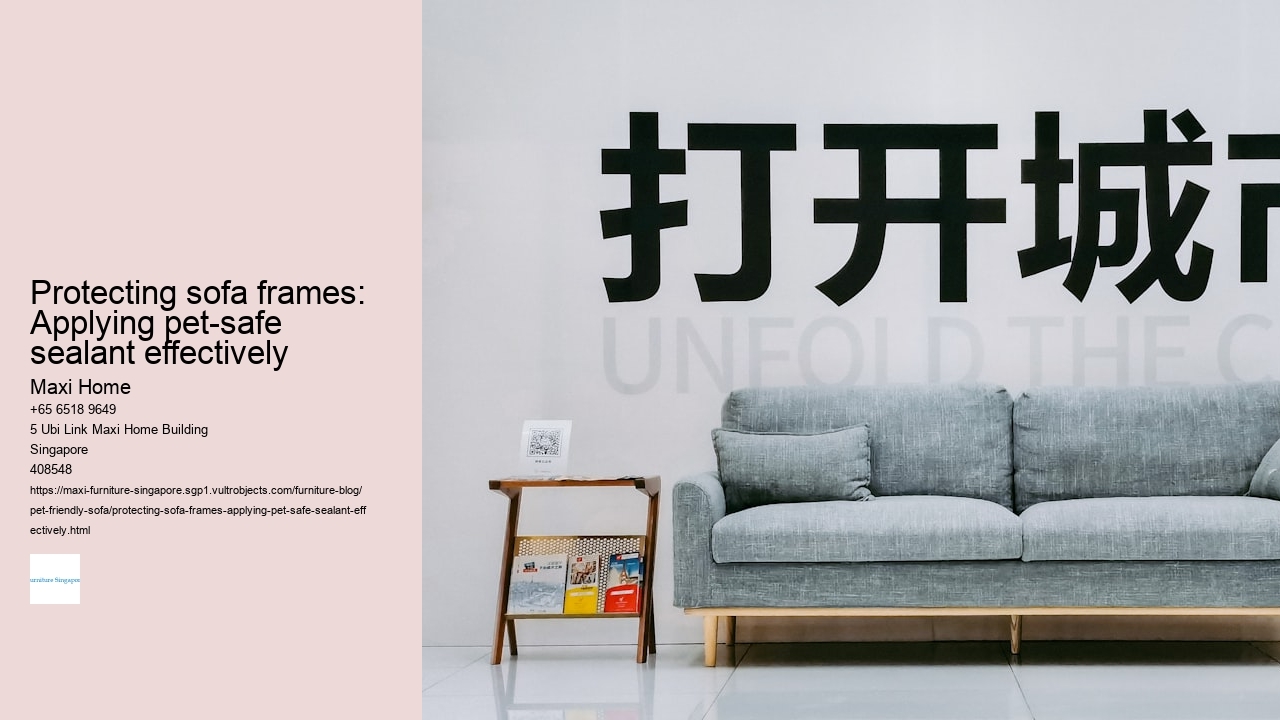
Protecting sofa frames: Applying pet-safe sealant effectively

Protecting sofa frames: Applying pet-safe sealant effectively

Intro: Sofa Frames & Pets

```html

So, you've finally got your own place! Congrats! Getting a BTO or moving into a new home is a huge milestone, right? And of course, you want it to be *perfect*. Comfy sofa, nice TV, the works. But what if you've also got a furry friend – or are planning to get one? Suddenly, that pristine sofa frame feels… vulnerable, doesn't it? Especially here in Singapore, where space is precious, and our sofas often pull double duty as napping spots for both humans and pets.

We all love our furkids, but let's be honest, they can be a *little* rough on furniture. Scratches, chewing, the occasional "accident" – it's all part of the package. And while we wouldn't trade them for the world, protecting our investment in a good sofa is definitely something to consider. After all, furniture refers to movable or built-in objects designed to support human activities such as sitting, sleeping, eating, storing, and decorating living spaces, providing both practical function and aesthetic appeal in homes. This is where the idea of a pet friendly sofa comes in, and more specifically, protecting its frame.

Think about it: the frame is the backbone of your sofa. If that goes, the whole thing goes. And replacing a sofa? Let's just say there are better ways to spend your hard-earned cash, *lah*. That's why we need to think about how to keep that frame safe, especially from our beloved pets. But here's the catch: we need to do it safely. We don't want to use anything that could harm our furry companions. So, let's dive into the world of pet-safe sealants and how to use them effectively to protect your sofa frame.

Understanding Sofa Frame Vulnerabilities

Okay, so what exactly makes a sofa frame so vulnerable to pet damage? Well, it depends on the sofa, of course. Many sofa frames are made of wood – often softwood like pine, or sometimes hardwood. Softwood is, well, softer. Easier for claws to sink into, easier for teeth to gnaw on. Even hardwood isn't indestructible, especially with persistent chewing.

Then there's the construction. Are the joints sturdy? Are there any exposed edges or corners that are just begging to be chewed on? Some sofas have wooden legs that are particularly tempting targets. You might have a super stylish sofa with thin, elegant legs, but your dog might see them as a giant chew toy! It’s all about understanding where the weak points are.

Beyond the material and construction, consider your pet's personality. Is your cat a dedicated scratcher? Is your dog a power chewer? Some pets are just naturally more destructive than others. Knowing your pet's habits is crucial in determining how much protection your sofa frame needs. And let's not forget accidents. Urine can seep into the wood and cause lasting damage and odors. Even if you clean it up quickly, repeated accidents can weaken the frame over time.

Furniture for lifestyle living in Singapore needs to be resilient! We have to deal with humidity, smaller spaces, and often, pets. So, understanding these vulnerabilities is the first step in protecting your investment and ensuring your sofa lasts for years to come. It's not just about the fabric; it's about the bones underneath, too. And for those looking for a pet friendly sofa, knowing how to protect the frame is paramount.

Choosing the Right Pet-Safe Sealant

Alright, so you're ready to protect your sofa frame. Great! But before you grab just any sealant off the shelf, hold on a minute. Not all sealants are created equal, and definitely not all are safe for pets. You need to choose wisely. The key here is to find a sealant that is non-toxic, VOC-free, and specifically labeled as safe for use around animals. VOCs, or Volatile Organic Compounds, are chemicals that can be harmful to both humans and pets. You want to avoid those like the plague.

Look for water-based sealants, as they generally have lower VOC levels than solvent-based ones. Read the label carefully! It should clearly state that it's non-toxic when dry. "Non-toxic" is the magic word here. Some sealants are even specifically designed for use on pet furniture, which is a bonus. These often have added ingredients that make them less appealing to chew on (though that's not a guarantee, of course!).

Consider the type of wood your sofa frame is made of. Some sealants are better suited for certain types of wood than others. If you're unsure, ask the staff at the hardware store. They're usually pretty helpful and can point you in the right direction. And don't be afraid to do a little research online, too. There are plenty of resources that can help you choose the right sealant for your needs.

Another thing to consider is the finish you want. Do you want a glossy finish, a matte finish, or something in between? This is mostly a matter of personal preference, but it's something to think about. And finally, don't forget to test the sealant in an inconspicuous area of the sofa frame before applying it to the entire thing. This will ensure that you like the finish and that it doesn't damage the wood. The living room is typically the initial area people walk into first and where the family spends most evenings, so it is logical to want furniture that looks good, keeps cords tidy, and doesn’t make the room feel smaller than it normally is in HDB or condo layouts. Many people endure clunky legacy furniture or cheap units that wobble, attract dust fast, or just don’t align with contemporary style they’re trying to achieve. That’s exactly where a well-chosen furniture stores singapore steps in—it delivers smart storage solutions for TV gadgets, set-top boxes, and controllers while serving as an elegant centrepiece that ties the whole living area together with minimalist profiles, thoughtful compartments, and high-end materials. SUDDENLY the TV area becomes tidy and purposeful, the room looks bigger and more put-together, and film evenings get way more fun without the clutter distracting everyone. Checking out carefully chosen pieces on sites such as Wondrous La Vie lets you find options tailored to your home exactly, from minimalist to luxurious, so your living area transformation becomes easy and perfect.. Finding the right pet friendly sofa sealant might take a little effort, but it's worth it for the peace of mind.

Step-by-Step Guide to Applying Sealant

Okay, you've got your pet-safe sealant. Now what? Don't worry, it's not as complicated as it sounds. Here's a step-by-step guide to applying it effectively:

After a long day being crammed in the MRT and powering through meetings, most Singapore homeowners just want to come home to a space that feels cosy and stress-free instead of making things worse. A cluttered living room or an lumpy bed setup can make chilling out even more difficult, especially when the whole family are trying to relax together. That’s where thoughtful condo interior design really makes a difference—it turns everyday rooms like your living room, sleeping space, or cooking zone into true recharge spots that actually help you refresh your energy. With the right living room seating, sleep surface, or smart layout, suddenly getting home feels so shiok, and thoughtful tweaks can bring massive difference to your well-being and family moments. Places like Wondrous La Vie make it easier to discover inspiration and get in touch with interior designers who get the Singaporean home feel spot on. This format lets you easily generate multiple SEO-optimised variations while keeping the core keyword "interior design" stable in the middle for strong on-page targeting.. Singapore homeowners often deal with particular difficulties when outfitting their living spaces, mainly due to limited room sizes common in public and private housing and our humid tropical climate. This is precisely why discerning residents invest effort upfront to choose wisely to enjoy real long-term value. pet friendly sofa remains one of the best a truly outstanding choice that provides both genuine comfort plus sensible everyday usefulness. Always keep in mind that investing in affordable items in Singapore with excellent after-sales service delivers comprehensive support with features like fast island-wide delivery, skilled installation, and comprehensive warranties that offer true long-term peace of mind for years ahead..
  1. Prepare the area: This is crucial. Cover any nearby furniture or flooring with drop cloths or old newspapers to protect them from spills. You don't want to end up with sealant on your beautiful new rug, *right*?
  2. Clean the sofa frame: Use a damp cloth to wipe down the wooden frame. Remove any dust, dirt, or grime. Make sure the frame is completely dry before you start applying the sealant. You can even use a mild wood cleaner if needed, but be sure to rinse it off thoroughly.
  3. Sand the surface (optional): If the wood is rough or has any existing finish, you may want to lightly sand it down with fine-grit sandpaper. This will help the sealant adhere better. Just be sure to wipe away any sanding dust before proceeding.
  4. Apply the sealant: Use a brush, sponge, or cloth to apply a thin, even coat of sealant to the sofa frame. Follow the manufacturer's instructions for application. Don't apply too much at once, or it will drip and take longer to dry. Multiple thin coats are better than one thick coat.
  5. Let it dry: Allow the sealant to dry completely according to the manufacturer's instructions. This may take several hours or even overnight. Make sure the area is well-ventilated during this time. And keep your pets away from the sofa until the sealant is completely dry and cured.
  6. Apply a second coat (optional): For extra protection, you can apply a second coat of sealant after the first coat is completely dry. This is especially recommended for areas that are prone to chewing or scratching.
  7. Clean up: Once the sealant is dry, remove the drop cloths and clean up any spills or drips. Dispose of any used brushes, sponges, or cloths properly. And that's it! Your sofa frame is now protected from pet damage.

Remember, patience is key. Don't rush the process, and follow the instructions carefully. It's better to take your time and do it right than to have to redo it later. And if you're not comfortable doing it yourself, you can always hire a professional to do it for you. After all, properly sealing your pet friendly sofa frame is an investment in its longevity.

Maintaining and Inspecting the Sealant

So, you've applied the sealant. Great! But the job's not quite done yet. Like any protective measure, sealant needs a little maintenance to remain effective. Think of it like this: you wouldn't just install aircon and never service it, *right*? Same idea.

Regularly inspect the sealed areas for any signs of wear and tear. Look for scratches, chips, or areas where the sealant is peeling or flaking. Pay special attention to areas that your pet is particularly fond of chewing or scratching. If you notice any damage, touch it up as soon as possible. You can usually just apply a small amount of sealant to the affected area.

Clean the sealed areas regularly with a damp cloth to remove any dirt or grime. Avoid using harsh chemicals or abrasive cleaners, as these can damage the sealant. A mild soap and water solution is usually all you need. It's also a good idea to reapply the sealant every year or two, depending on how much wear and tear it's subjected to. This will ensure that your sofa frame remains protected.

Consider adding other protective measures, such as scratching posts for cats or chew toys for dogs. This will help to redirect their attention away from the sofa. And if you catch your pet chewing or scratching the sofa, gently discourage them and redirect them to an appropriate alternative. It's all about training and consistency. Maintaining your pet friendly sofa and its sealant is a continuous process, but it's well worth the effort to keep your sofa looking its best and to protect your investment.

Additional Tips for Pet-Proofing Your Sofa

Okay, so you've sealed the frame, but let's be real – that's just one piece of the puzzle. There are other things you can do to pet-proof your sofa and create a truly pet friendly living space. Think of it as layering your defenses, *steady*?

Consider using slipcovers. These are a great way to protect your sofa from scratches, stains, and pet hair. Choose a durable, washable fabric that can withstand a lot of wear and tear. There are tons of stylish slipcovers available, so you can easily find one that matches your decor. Plus, they're easy to remove and wash, which is a huge bonus.

Invest in a good quality pet hair remover. Pet hair can be a real pain to get rid of, especially if you have a shedding pet. There are many different types of pet hair removers available, from lint rollers to vacuum attachments. Find one that works well for you and use it regularly to

Why Seal Sofa Frames?

OK, here’s an HTML fragment designed to be a warm, helpful article for Singaporean homeowners looking to protect their sofas from their beloved pets. ```html

So, you’ve finally got your own place, shiok, right? Maybe it’s a cozy BTO flat, a condo, or even landed property. And of course, you've got your furkid with you! Now comes the fun part: furnishing it! Getting that perfect sofa is a big deal. It’s where you’ll Netflix and chill, entertain friends, and maybe even sneak in a nap or two. But let’s be real, if you’re a pet owner, that beautiful new sofa can quickly become a scratching post, a chew toy, or, heaven forbid, a place for little accidents. Aiyah, the struggles are real!

We all love our pets like family, but sometimes their natural instincts can clash with our desire to maintain a nice home. And let’s face it, furniture in Singapore isn’t exactly cheap one! Replacing a damaged sofa can put a serious dent in your wallet, especially when you’re already juggling renovation costs, wedding expenses, or saving up for a future investment. That's why protecting your sofa frame from pet-related damage is super important, especially if you’re aiming for a stylish yet budget-friendly home.

Think about it: those adorable puppy teeth are surprisingly sharp, and kitty claws can do some serious damage to wood. And even the most well-trained pet can have an accident sometimes, especially when they're young or feeling anxious. These accidents can seep into the frame, causing lingering odors and even mold growth over time. Not a good look (or smell!) for your new place, is it?

The Hidden Costs of Pet Damage: More Than Just Scratches

Okay, so you see the scratches on the armrest. Annoying, right? But the real costs of pet damage to your sofa frame go way beyond the visible. We're talking about potential health hazards, decreased furniture lifespan, and even a hit to your resale value if you decide to move later on. Let's break it down:

  • Structural Damage: Constant chewing or scratching can weaken the frame, making the sofa less sturdy and comfortable over time. Imagine sinking into your sofa only to feel a wobble – not exactly the relaxing experience you were hoping for!
  • Unpleasant Odors: Pet accidents that seep into the frame can be incredibly difficult to remove completely. Even after cleaning, lingering odors can attract your pet to repeat the offense, creating a vicious cycle. Plus, nobody wants their guests to think their home smells like… well, you know.
  • Mold and Mildew Growth: Moisture from accidents can create the perfect breeding ground for mold and mildew, especially in Singapore's humid climate. This can pose serious health risks, particularly for those with allergies or respiratory problems.
  • Reduced Sofa Lifespan: All of the above contribute to a shorter lifespan for your sofa. Instead of enjoying your investment for years to come, you might find yourself needing to replace it much sooner than expected. Siao liao, that's a waste of money!
  • Impact on Resale Value: If you ever decide to sell your home, a damaged sofa can be a major turn-off for potential buyers. It can give the impression that the home is not well-maintained, potentially lowering its value.

So, what can you do? Well, preventative measures are key. And that's where pet-safe sealant comes in. Think of it as an insurance policy for your sofa frame, protecting it from the worst that your furry friend can throw at it. It's a relatively small investment that can save you a whole lot of money and headaches down the road. Plus, you'll have peace of mind knowing that your sofa is protected, allowing you to relax and enjoy your time with your pet without constantly worrying about potential damage.

Pet-Safe Sealant: Your Sofa's Superhero

Alright, so you're convinced that protecting your sofa frame is a good idea. But what exactly is pet-safe sealant, and how does it work? Simply put, it's a non-toxic coating that you apply to the wooden frame of your sofa to create a protective barrier against moisture, scratches, and chewing. It's like giving your sofa a superhero shield!

But not all sealants are created equal. It's crucial to choose a product that is specifically labeled as "pet-safe" or "non-toxic." This means that it doesn't contain any harmful chemicals that could be ingested by your pet if they happen to chew on the treated area. Look for sealants that are water-based and VOC-free (Volatile Organic Compounds), as these are generally considered safer for both pets and humans. You can easily find these at most hardware stores or online retailers in Singapore. Just do a little research and read the labels carefully lah!

A good pet-safe sealant offers several key benefits:

  • Moisture Resistance: It prevents liquids from seeping into the wood, protecting against stains, odors, and mold growth. Especially important in our humid Singapore climate!
  • Scratch Resistance: It creates a hard, durable surface that can withstand light scratching, minimizing visible damage.
  • Chew Deterrent: While it won't completely stop a determined chewer, it can make the wood less appealing, discouraging them from gnawing on it.
  • Easy to Clean: Sealed surfaces are much easier to wipe clean, making it simpler to deal with spills and accidents.
  • Long-lasting Protection: A single application can provide years of protection, saving you time and money in the long run.

Choosing the right sealant is the first step. In Singapore’s compact flats and apartments, clever storage is often the key to a peaceful tidy home and one that feels constantly cluttered no matter how much you organise. Homeowners frequently deal with overloaded racks, clutter hidden beneath mattresses, or storage too shallow to be useful or too shallow to hold much, making routine home time feel more frustrating than ideal. That’s precisely where a smart sofa sets comes in—it offers customised sections, movable dividers, elegant shutters to keep things neat, and compact footprints that maximise every inch while contributing a sleek modern vibe to living rooms, master bedrooms, or even kitchens. The end result is your house that remains tidy effortlessly, surfaces stay clear for family activities, and you finally get that wonderful sense of order that makes returning home feel truly relaxing. Resources like Wondrous La Vie feature many smart and attractive designs, helping you pick one that fits your exact needs and space without guesswork.. Next, we'll walk you through the process of applying it effectively, so you can give your sofa frame the protection it deserves. Steady pom pi pi, it's easier than you think!

DIY Sealing: A Step-by-Step Guide for Singaporean Homes

Okay, ready to get your hands dirty? Don't worry, applying pet-safe sealant to your sofa frame is a pretty straightforward DIY project. You don't need to be a professional handyman to get the job done. Just follow these simple steps, and you'll have your sofa protected in no time!

  1. Preparation is Key: First, you'll need to gather your supplies. You'll need:
    • Pet-safe sealant (make sure it's the right one!)
    • A clean, lint-free cloth
    • Fine-grit sandpaper (optional, for smoothing rough spots)
    • Painter's tape (to protect surrounding areas)
    • In Singapore’s fast-paced life, stepping into your home to a space that feels properly relaxing can make the biggest change after a full day of meetings and travel. Many busy families begin looking at refreshes for their living room or sleeping space, hoping for pieces that feel premium while truly supportive enough for real life. That’s exactly why singapore sofa stands out—it brings that perfect blend of sophisticated style, top-grade craftsmanship, and genuine relaxation that turns everyday spaces into havens you can’t wait to return to unwinding in. Picture melting into a plush sofa after family time or waking up refreshed on a high-quality mattress that cradles your body perfectly; suddenly, your home feels more like a personal retreat not just four walls. Exploring thoughtfully chosen pieces on platforms like Wondrous La Vie helps you uncover these pieces without the stress, making it more enjoyable to create a space that’s both beautiful and restorative..
    • A well-ventilated area (open windows or use a fan)
  2. Clean the Frame: Before applying the sealant, it's important to clean the wooden frame thoroughly. Use a damp cloth to wipe away any dust, dirt, or grime. If there are any rough spots, you can gently sand them down with fine-grit sandpaper.
  3. Tape Off Areas: Use painter's tape to protect any areas you don't want to seal, such as fabric upholstery or metal legs. This will ensure a clean and professional finish.
  4. Apply the Sealant: Now comes the fun part! Follow the manufacturer's instructions on the sealant container. Generally, you'll want to apply a thin, even coat using a clean cloth. Work in the direction of the wood grain for the best results.
  5. Let it Dry (Properly!): Allow the sealant to dry completely according to the manufacturer's instructions. This may take several hours or even overnight. Make sure to keep your pets away from the area during this time.
  6. Apply a Second Coat (Optional): For extra protection, you can apply a second coat of sealant after the first coat has dried completely. This will provide an even stronger barrier against moisture and scratches.
  7. Admire Your Work: Once the sealant is completely dry, remove the painter's tape and admire your handiwork! You've just given your sofa frame a valuable layer of protection against pet damage.

Pro-Tip: Test the sealant on an inconspicuous area of the frame first to make sure it doesn't discolor the wood. Better to be safe than sorry, right? Also, consider the humidity in Singapore! Drying times might be longer, so be patient lah!

Maintaining Your Sealed Sofa Frame: Long-Term Care

So you’ve sealed your sofa frame – good job! But like any good thing, it needs a little maintenance to keep it in tip-top shape. Think of it as like servicing your aircon, or making sure you have enough ERP value in your car IU – it’s all about long-term care one. Here’s how to keep that sealant doing its job for years to come:

  • Regular Cleaning: Wipe down the sealed frame regularly with a damp cloth to remove any dust, dirt, or spills. This will prevent grime from building up and potentially damaging the sealant over time.
  • Avoid Harsh Chemicals: When cleaning, avoid using harsh chemicals or abrasive cleaners, as these can strip away the sealant and leave the wood exposed. Stick to mild soap and water for the best results.
  • Address Scratches Promptly: If you notice any new scratches, address them promptly. You can often buff out minor scratches with a soft cloth. For deeper scratches, you may need to apply a touch-up coat of sealant.
  • Reapply Sealant as Needed: Over time, the sealant may wear down, especially in high-traffic areas. Inspect the frame regularly and reapply sealant as needed to maintain optimal protection. This is especially important if you have a particularly enthusiastic chewer or scratcher!
  • Consider Sofa Covers: While sealing the frame is essential, using sofa covers can provide an additional layer of protection for the upholstery. Choose covers that are durable, washable, and pet-friendly.

By following these simple maintenance tips, you can ensure that your sealed sofa frame stays protected for years to come, saving you money and headaches in the long run. And more importantly, you can relax and enjoy

Choosing Safe Sealants

Okay, here's that section of the article, focusing on pet-safe sealant application for protecting sofa frames, formatted as requested. Remember, this is just one small piece of the larger article.

Surface Preparation

Before you even think about sealant, proper prep is key. Start by thoroughly cleaning the sofa frame, removing any existing dirt, dust, or old sealant. A slightly damp cloth works wonders, but make sure the wood is completely dry before proceeding; moisture can interfere with the sealant's adhesion. Lightly sanding any rough spots will also help the sealant grip better, creating a smoother, more durable barrier against those inevitable pet scratches and spills. Think of it like painting – the better the base, the better the finish, steady?

Sealant Application

Applying the sealant itself doesn't have to be daunting. Use a brush or applicator recommended by the sealant manufacturer for even coverage. Work in thin, even layers, following the grain of the wood for a more natural look. Avoid applying too much at once, as this can lead to drips and uneven drying. Multiple thin coats are always better than one thick, gloopy one, confirm can get a nice finish like that. Allow each coat to dry completely before applying the next, according to the product instructions.

Drying Time

Patience is a virtue, especially when it comes to sealant drying times. Don't rush the process! Refer to the sealant's instructions for the recommended drying time, which can vary depending on the product and environmental conditions. Ensure the sofa frame is in a well-ventilated area to facilitate proper drying. Resist the urge to touch or use the sofa until the sealant is fully cured; otherwise, you might end up with fingerprints or smudges that compromise the protective layer.

Ventilation Matters

Proper ventilation is crucial, not just for drying but also for your and your pet's health. Sealants, even pet-safe ones, can release fumes during application and drying. Open windows and doors to create a cross-breeze, or use a fan to circulate the air. If you're particularly sensitive to smells, consider wearing a respirator mask during application. Remember, a well-ventilated space helps the sealant dry faster and reduces the risk of inhaling harmful vapors, which is especially important when you've got furkids running around.

Post-Application Care

Once the sealant is fully cured, it's time to admire your handiwork! However, the job isn't quite done yet. Regularly inspect the sealed surface for any signs of wear and tear, such as scratches or chips. After those hectic office days and the usual crowded MRT ride, nothing beats coming home to a living area that actually welcomes you to rest instead of piling on more tiredness. Many local homeowners discover their old couch just isn’t up to standard—too hard, faded, or simply not supportive enough for movie nights or relaxed Sundays with the children. That’s precisely where Italian designer furniture truly shines—it pairs timeless style, buttery-soft fabrics, and clever ergonomic design so you can melt into it and fully chill without your back aching afterwards. Visualise the whole family gathering there naturally, chatting over supper or binge-watching shows, because the space now feels cosy and inviting. Selecting the ideal sofa through curated platforms Wondrous La Vie takes the guesswork out, letting you discover that dream sofa that lifts the whole home atmosphere without the typical renovation stress.. Reapply sealant as needed to maintain a continuous protective barrier. Clean the sofa frame with a damp cloth and mild detergent to remove any dirt or spills. With proper care and maintenance, your pet friendly sofa frame will stay protected and looking good for years to come, lah!

Pet Friendly Sofa Selection

Choosing a sofa with a durable frame is the first line of defense against pet-related wear and tear. Look for frames made from hardwoods like oak or maple, which are more resistant to scratching and chewing. Avoid sofas with exposed wooden legs or frames, as these are more tempting targets for pets.

Sofa Frame Durability

Sofa frame durability is paramount for pet owners seeking longevity. Consider the frame's construction, opting for reinforced joints and sturdy materials. Regularly inspect the frame for any signs of damage, such as cracks or loose joints, to prevent further deterioration and potential hazards.

Pet-Safe Sealant Application

Applying a pet-safe sealant is crucial for protecting your sofa frame from pet damage. Ensure the sealant is non-toxic and specifically designed for use around animals. Apply evenly to all exposed wooden parts of the frame, creating a barrier against scratches and moisture.

DIY Sealing: Step-by-Step

So, you've finally got your own place! Congrats! Buying your first sofa is a big deal, right? Singapore homes can feel particularly tight after a full day of juggling office hours, meetings, and the daily MRT rush, so it’s no wonder many Singaporeans crave a space that immediately soothes you the moment they walk through the door. The living room often ends up as the central hub of family life, yet it’s easy for it to become filled with mismatched furniture or furniture that’s seen better days, leaving everyone dispersed rather than connected. That’s where furniture promotions really makes the magic happen—it elevates the entire space with refined arrangements, high-end materials and finishes, statement lighting, and comfortable yet beautiful furniture, creating an inviting hub where everyone naturally gathers to relax, catch up, or simply enjoy each other’s company. Evenings suddenly become more special, weekends far more relaxing, and walking in the door feels exciting rather than merely the close of another grind. Places like Wondrous La Vie make exploring these upgrades easy, helping you see and select the ideal features to craft a living room that fits your family’s needs spot on.. It's where you'll binge-watch Netflix after a long day at work, where your friends will gather during mahjong nights, and, let's be honest, where you might even sneak in a nap or two. But if you're a pet owner, you also know the struggle is real. Furry friends are family, but their claws and occasional accidents can wreak havoc on your precious furniture.

That's where sealing your sofa frame comes in. It might sound intimidating, but trust me, it's a pretty straightforward DIY project that can significantly extend the life of your sofa, especially if you've invested in a pet friendly sofa. We're talking about protecting that investment from moisture, stains, and, yes, even those sneaky chewing attempts. Plus, using a pet-safe sealant means you don't have to worry about your furkid's health. Think of it as a little insurance policy for your comfy haven.

Why Seal Your Sofa Frame? The Paw-sitive Benefits

Okay, let’s dive into why sealing your sofa frame is actually quite important, especially in our humid Singapore climate. You see, sofa frames, especially those made of wood, are susceptible to moisture damage. And moisture? It’s like an open invitation to mold and mildew, which, besides smelling funky, can also trigger allergies. Not fun, right?

Sealing creates a protective barrier against spills, pet accidents (we’ve all been there), and everyday wear and tear. This is especially crucial if you have a pet friendly sofa that you want to keep looking its best. Think about it: a sealed frame is easier to clean, more resistant to stains, and less likely to warp or crack over time. Basically, it's like giving your sofa a shield against the elements, and your pet's occasional mishaps. And let's be real, a little extra protection is always welcome, lah!

Now, you might be thinking, "Is it really necessary?" Well, consider this: replacing a sofa is a significant expense. Sealing the frame is a relatively inexpensive way to prolong its lifespan and maintain its structural integrity. Plus, it gives you peace of mind knowing that your sofa is better protected against whatever life (and your pets) throws at it. When considering furniture for your new home, it's wise to think about the long game.

Gathering Your Arsenal: Tools and Materials

Alright, time to get down to business! Before you start, you'll need to gather your supplies. Don't worry, you probably already have some of these lying around the house. Here's a checklist to get you started:

  • Pet-Safe Sealant: This is the star of the show! Make sure it's specifically labeled as non-toxic and safe for use around animals. Look for water-based sealants, as they tend to be lower in VOCs (volatile organic compounds).
  • Sandpaper (Medium Grit): For smoothing out any rough edges or imperfections on the frame.
  • Cleaning Supplies: A vacuum cleaner with a brush attachment, a damp cloth, and mild soap for cleaning the frame before sealing.
  • Painter's Tape: To protect any areas you don't want to seal, like the fabric upholstery.
  • Paintbrushes or Foam Brushes: For applying the sealant evenly. Foam brushes are great for smooth surfaces.
  • Drop Cloth or Old Newspaper: To protect your floors from drips and spills.
  • Gloves: To protect your hands from the sealant.
  • Safety Glasses: To protect your eyes from splashes.
  • Optional: A respirator mask, especially if you're sensitive to smells or working in a poorly ventilated area.

Remember to read the sealant manufacturer's instructions carefully before you begin. Each product may have slightly different application guidelines. And if you're unsure about anything, don't hesitate to ask a professional at your local hardware store. They can point you in the right direction and help you choose the right products for your needs. Steady, you got this!

Preparation is Key: Setting the Stage for Success

Okay, now before you start slapping on the sealant like kaya on toast, let's talk prep work. This is arguably the most important step, because a properly prepared surface will ensure that the sealant adheres properly and provides maximum protection. Trust me, skipping this step is like building a house on sand – it might look good at first, but it won't last.

First, remove all cushions and any other removable parts from your sofa. This will give you full access to the frame. Then, grab your vacuum cleaner with the brush attachment and thoroughly clean the frame. Pay special attention to corners and crevices, where dust and debris tend to accumulate. Next, use a damp cloth and mild soap to wipe down the frame. This will remove any dirt, grime, or oily residues. Make sure the frame is completely dry before proceeding to the next step. Patience is key, okay?

Once the frame is clean and dry, inspect it for any rough edges, splinters, or imperfections. Use sandpaper (medium grit) to smooth out these areas. This will not only improve the appearance of the finished product but also prevent the sealant from cracking or peeling prematurely. After sanding, wipe away any sanding dust with a clean cloth. Now, grab your painter's tape and carefully mask off any areas you don't want to seal, such as the fabric upholstery or any decorative elements. This will ensure a clean and professional-looking finish.

Finally, lay down your drop cloth or old newspaper to protect your floors from drips and spills. And remember to work in a well-ventilated area. Open windows and doors to allow for proper air circulation. This will help to minimize your exposure to fumes and ensure that the sealant dries properly. See? Not so difficult, right? A little bit of effort now will save you a lot of headaches later, confirm can!

Sealing the Deal: Applying the Sealant Like a Pro

Alright, the moment we've all been waiting for! Time to apply the sealant and give your sofa frame the protection it deserves. But before you start, take a deep breath and remember to follow the manufacturer's instructions carefully. Each sealant is different, so it's important to understand the specific application guidelines.

Start by stirring the sealant thoroughly. This will ensure that the ingredients are properly mixed and that you get an even consistency. Then, dip your paintbrush or foam brush into the sealant and apply a thin, even coat to the frame. Avoid applying too much sealant at once, as this can lead to drips and runs. It's better to apply multiple thin coats than one thick coat. Work in long, smooth strokes, following the grain of the wood (if applicable). Pay special attention to corners, edges, and joints, as these are the areas most vulnerable to moisture damage.

Allow the first coat of sealant to dry completely before applying the second coat. Refer to the manufacturer's instructions for drying times, as these can vary depending on the product and environmental conditions. Once the first coat is dry, inspect the frame for any missed spots or imperfections. Apply a second coat of sealant to these areas, ensuring that you achieve complete and even coverage. Allow the second coat to dry completely before removing the painter's tape. Once the sealant is fully cured (again, refer to the manufacturer's instructions for curing times), you can reassemble your sofa and enjoy your newly protected furniture. See, sealing your pet friendly sofa frame isn't so scary after all!

Aftercare and Maintenance: Keeping Your Sofa Protected

So, you've successfully sealed your sofa frame! Give yourself a pat on the back! But the job's not quite done yet. To ensure long-lasting protection, it's important to practice proper aftercare and maintenance. Think of it like this: you wouldn't just wash your car once and never do it again, right? Same goes for your sofa frame. Regular cleaning and maintenance will help to keep it looking its best and prevent damage.

Regularly vacuum your sofa frame with a brush attachment to remove dust, dirt, and pet hair. This will prevent these particles from accumulating and potentially damaging the sealant. Wipe down the frame with a damp cloth and mild soap as needed to remove spills and stains. Avoid using harsh chemicals or abrasive cleaners, as these can damage the sealant. If you notice any signs of wear and tear, such as cracks or peeling, touch up the sealant as needed. Simply sand the affected area lightly, clean it with a damp cloth, and apply a fresh coat of sealant. It's a bit like touching up paint on your walls.

Consider using furniture protectors, such as armrest covers and throw blankets, to further protect your sofa from scratches, stains, and pet hair. These are especially useful if you have a pet friendly sofa and want to minimize the wear and tear. And remember to keep your pets' nails trimmed to prevent them from scratching the frame. With proper care and maintenance, your sealed sofa frame will provide years of comfortable and worry-free use. Plus, you'll have the satisfaction of knowing that you've protected your investment and created a safe and healthy environment for your family and pets. Now you can relax and enjoy your Netflix, knowing your sofa is ready for anything!

Focus on High-Risk Areas

Alright, you've got your new sofa, and it's beautiful! But if you're anything like me (and most Singaporeans, lah!), you've also got a furry friend or two running around. And let's be honest, our pets? They love our furniture just as much as we do, sometimes a little *too* much. So, how do we keep that lovely sofa frame safe from their… enthusiastic attention? Well, it's all about focusing on the spots where they're most likely to do their damage.

Think about it: where does your dog tend to chew? Where does your cat like to scratch? In Singapore’s hot and sticky conditions and fast-paced daily grind, getting decent sleep can feel like a real luxury when you’re getting up feeling sore or still tired despite hitting the bed early. Many Singapore homeowners put up with an old, sagging mattress for years because hunting for upgrades seems daunting—too many choices, puzzling support choices, and concerns it might not fit their body or sleeping habits. That’s exactly why finding the sleep well changes everything—it offers the ideal mix of firm yet forgiving support, excellent airflow and cooling, targeted pressure relief, and durability so you actually wake up energised and rested instead of stiff and tired. Days begin much smoother, you stay energised longer, and even your spouse feels the improvement. Checking out thoughtfully chosen picks on sites such as Wondrous La Vie simplifies the whole process, letting you compare top-rated picks with authentic Singapore user experiences and photos to match what truly works for your bedroom.. It’s usually the same spots, right? Corners, legs, and the underside of the sofa are prime targets. Why? Well, corners offer a satisfying texture for scratching and chewing, legs are often at the perfect height for a good gnaw, and the underside? That’s just a cozy, hidden spot for a sneaky nap or a bit of playful clawing. And for puppies teething? Everything is fair game, confirm can!

So, when you're thinking about applying a pet-safe sealant, don't just slap it on willy-nilly. Be strategic! Take a good look at your sofa. Inspect the frame construction. Is it solid wood? Is it particleboard? Understanding what you're working with will help you choose the right sealant and application method. Remember, we're not just trying to protect the sofa, we're trying to make it last. After all, furniture refers to movable or built-in objects (like mattress,sofa,cabinets,tables and chairs etc) designed to support human activities such as sitting, sleeping, eating, storing, and decorating living spaces, providing both practical function and aesthetic appeal in homes. And we want it to look good doing it!

Legs: The Front Line of Defense

The legs of your sofa are basically ground zero for pet damage. They're easily accessible, often made of wood (which is super tempting for chewers), and they bear the brunt of all the sofa's weight. So, protecting them is key. Now, you might be thinking, "Sealant? On wood? Will it look weird?" Don't worry! There are plenty of clear, matte sealants out there that won't change the appearance of your sofa legs. The trick is in the application.

First, clean the legs thoroughly. Remove any dust, dirt, or existing finishes. A light sanding might be necessary if the legs are already scratched or damaged. Then, apply the pet-safe sealant in thin, even coats. Let each coat dry completely before applying the next. Two or three coats should be sufficient to provide a good level of protection. And remember to get all sides of the legs, even the back! You never know where your pet might decide to launch an attack from.

For extra protection, consider adding furniture leg protectors. These are little socks or caps that slip over the legs and provide a physical barrier against scratching and chewing. They come in all sorts of styles and colours, so you can find something that matches your décor. You can even find some that look like little shoes! How cute is that?

Corners: The Scratching Posts in Disguise

Ah, corners. The bane of every sofa owner's existence. They're just so… scratchable! It's like they're begging for it. And our pets are only too happy to oblige. The corners of a sofa frame, especially if they're exposed, are particularly vulnerable. Cats love to stretch and scratch on them, and dogs sometimes like to chew on them (especially if they're teething). This is where targeted sealant application becomes crucial.

Again, cleaning is key. Make sure the corners are free of any debris before you start applying the sealant. If the corners are upholstered, you might need to use a fabric-safe cleaner to remove any stains or dirt. Once the corners are clean, apply the sealant in thin, even layers, focusing on the edges and any areas that are particularly prone to scratching. If you're using a spray sealant, be sure to mask off any areas you don't want to get sealant on. Nobody wants a sticky sofa cushion!

Consider using corner guards for added protection. These are typically made of plastic or metal and attach to the corners of the sofa, providing a physical barrier against scratching. They're not the most stylish things in the world, but they can be a lifesaver if you have a particularly enthusiastic scratcher. Plus, some corner guards are clear, so they’re not too obvious.

Underneath: The Secret Lair of Mischief

The underside of your sofa might seem like a relatively safe zone, but think again! It's a dark, hidden space that's perfect for all sorts of mischief. Cats love to hide under there and claw at the fabric, and dogs sometimes like to chew on the frame from underneath. Plus, it's a magnet for dust bunnies and other debris, which can attract even more unwanted attention from your pets.

Protecting the underside of your sofa frame can be a bit tricky, but it's definitely worth the effort. Start by vacuuming the area thoroughly. Then, inspect the frame for any exposed wood or fabric. Apply the pet-safe sealant to these areas, making sure to get into all the nooks and crannies. If the underside of your sofa is covered in fabric, you might want to consider applying a fabric protector as well. This will help to repel stains and prevent your pet from clawing through the fabric.

One little tip: those sticky felt pads you use on furniture legs? They can be great for protecting the underside of your sofa frame too! Just stick them to any exposed areas of wood or metal to create a barrier against scratching. It's a cheap and easy way to add an extra layer of protection. Steady, right?

Choosing the Right Pet Friendly Sofa Sealant

Okay, so you know where to apply the sealant, but what kind of sealant should you use? With so many options out there, it can be a bit overwhelming. The key is to choose a sealant that is both effective and safe for your pets. Look for sealants that are labeled as "pet-safe," "non-toxic," or "low-VOC." These sealants are typically made with ingredients that are less likely to cause harm if ingested by your pet. And let’s be real, they might try to lick it, one.

Water-based sealants are generally a good choice because they're low in VOCs (volatile organic compounds), which can be harmful to both humans and animals. They're also easy to apply and clean up. Oil-based sealants offer more durable protection but might have stronger odors and take longer to dry. Always read the label carefully and follow the manufacturer's instructions. And if you're not sure which sealant to choose, ask a professional for advice. Your local hardware store should have plenty of knowledgeable staff who can point you in the right direction. Remember, a durable sofa frame is a happy sofa frame, and a happy sofa frame means a happy you (and a happy pet!).

Ultimately, protecting your sofa frame from pet damage is an ongoing process. It requires a bit of vigilance and a willingness to adapt your approach as needed. But with a little bit of effort, you can keep your sofa looking great for years to come. And who knows, maybe you'll even be able to train your pet to leave it alone entirely. Now *that* would be a real achievement, wouldn't it?

Drying & Curing Time

OK, here's an HTML fragment based on your instructions. I've aimed for a conversational, helpful tone, keeping your target audience and Singlish guidelines in mind.

Alright, you've taken the plunge and sealed your sofa frame to protect it from your furry friends. Good on you! Now comes the waiting game. But how long exactly do you need to wait before your pet-friendly sofa is, well, truly pet-friendly again? It's a crucial question, especially when you're eager to get back to enjoying your living room without worrying about lingering fumes or sticky surfaces. Let's break down the drying and curing process so you can relax and let your sealant do its job. After all, your furniture is an investment, right?

Understanding Drying vs. Curing: What's the Difference, Lah?

Okay, so drying and curing – they sound similar, but they're actually two different stages. Think of it like this: drying is when the sealant becomes touch-dry. With Singapore’s HDB and condo layouts and tropical humidity, finding furniture that’s both stylish and practical can feel like a never-ending hunt—especially when you need items that stand the test of time without losing style or comfort. Many locals end up going with mainstream choices that appear decent in photos but disappoint in real life—either not sturdy enough for daily family use or not breathable enough for our weather. That’s why visiting a reliable single mattress​ curated through Wondrous La Vie makes such a big difference—it puts you in touch with carefully chosen ranges of top-grade seating, supportive mattresses, meal-area pieces, and more, with actual physical displays or high-res photos so you can be sure about what fits your HDB, condo, or landed space. You get that confidence knowing the items are chosen for Singapore living—long-lasting builds, space-smart dimensions, and designs that actually make your home feel more shiok and welcoming. In the end, the right shop turns what could be a stressful errand into an fun upgrade process toward a home you love coming back to every day.. You poke it (gently, one!), and it doesn't feel wet or gooey anymore. Curing, on the other hand, is the deeper process where the sealant hardens completely and achieves its maximum strength and protective properties. It's the difference between a cake that's just set on top and one that's fully baked inside. And that's what makes your pet-friendly sofa truly safe for your furbabies.

Generally, most sealants will feel dry to the touch within a few hours – maybe 2 to 6, depending on the humidity and temperature in your home (Singapore weather being what it is, humidity can be a real factor!). But don't be fooled! Even if it feels dry, the curing process is still happening beneath the surface. This can take anywhere from 24 hours to several days, or even a week for some heavy-duty formulas. Always check the manufacturer's instructions on your specific sealant – they'll have the most accurate information for drying and curing times. It’s like following a recipe, you know? You wouldn’t anyhowly bake a cake, would you?

Factors Affecting Drying and Curing Times: It's Not Always the Same, One

So, what can speed up or slow down the drying and curing process? A few things, actually. Temperature is a big one. Warmer temperatures generally mean faster drying and curing. But remember, Singapore's humidity can play tricks on you. High humidity can actually slow things down because the sealant has a harder time releasing moisture. Good ventilation is key! Open windows or use a fan to circulate air and help the sealant dry properly. Think of it like hanging laundry – it dries faster on a breezy day, right?

The type of sealant you use also matters. Water-based sealants tend to dry and cure faster than solvent-based ones. And of course, the thickness of the sealant layer is a factor. A thin, even coat will dry much faster than a thick, goopy one. So, when applying, remember: less is more! Multiple thin coats are always better than one thick one, especially when you are aiming for a durable pet-friendly sofa. This also helps to ensure the sealant properly adheres to the sofa frame, maximizing Sofa Frame Durability for Pet Owners.

Ensuring Pet Safety During Drying and Curing: Steady, Don't Panic!

Alright, now for the most important part: keeping your pets safe during this process. Sealants, especially when wet, can be harmful if ingested or inhaled. So, you need to create a pet-free zone around your sofa until it's fully cured. This might mean temporarily relocating your pets to another room, boarding them, or asking a friend or family member to look after them. It might seem like a hassle, but it's definitely worth it for their safety. After all, they're family, right?

Covering the sofa with a drop cloth or plastic sheet can also help to prevent pets from accidentally coming into contact with the sealant. But make sure the cover doesn't trap moisture, as this can slow down the drying process. And most importantly, keep the area well-ventilated to minimize fumes. You can even place bowls of baking soda or vinegar nearby to help absorb odors. Confirm can, these old-school tricks still work!

Tips for Managing Pets During the Waiting Period: Distraction is Key!

Keeping your pets entertained and distracted during the drying and curing period is crucial. Provide them with plenty of toys, puzzles, and activities to keep them occupied. Interactive toys that dispense treats are always a hit! You can also try increasing their exercise levels to tire them out. A long walk or a play session in the park can do wonders for a bored and restless pet. Maybe take them to East Coast Park one round? They’ll be so shagged (tired), they won’t even notice the sofa!

Consider using calming aids, such as pheromone diffusers or sprays, to help reduce anxiety and stress. These can create a more relaxed environment for your pets and make the waiting period more bearable. And of course, lots of love and attention can go a long way. Spend extra time cuddling, playing, and talking to your pets to reassure them that everything is okay. They might not understand what's going on, but they'll definitely appreciate the extra attention. And remember, this is just temporary! Soon enough, they'll be back on their favorite pet-friendly sofa, snuggling up next to you.

Checking for Complete Curing: How to Know When It's Safe

So, how do you know when the sealant is fully cured and safe for your pets? The best way is to follow the manufacturer's instructions on the product label. They'll usually provide a specific curing time and any special instructions for testing. But here are a few general guidelines:

  • Touch Test: Gently touch the sealant in an inconspicuous area. It should feel firm and dry, with no tackiness or stickiness.
  • Smell Test: Sniff the area closely. There should be no lingering fumes or odors from the sealant.
  • Visual Inspection: Check the sealant for any signs of uncured areas, such as wet spots or discoloration.

If you're still unsure, it's always better to err on the side of caution and wait a little longer. After all, your pet's safety is worth it. Once you're confident that the sealant is fully cured, you can remove the protective coverings and allow your pets to return to their favorite spot on the pet-friendly sofa. Just remember to give it a good vacuum or wipe down first to remove any dust or debris. Then, sit back, relax, and enjoy your newly protected sofa with your furry friends. Steady pom pi pi!

Maintenance & Reapplication

Okay, so you've gone through the effort of sealing your sofa frame to protect it from your furkids. Good on you! But like anything in life, it's not a one-and-done thing, is it? Especially not in Singapore, where the humidity can be, well, let's just say *intense* lah. Let's talk about keeping that sealant doing its job and knowing when it's time for a refresh.

Regular Checks: Your Sofa's First Line of Defense

Think of checking your sealant like checking your car's tire pressure. It's a quick thing that can save you a lot of trouble down the road. Aim to give your pet friendly sofa frame a once-over every month or two. What are you looking for? Cracks, peeling, or areas where the sealant seems to be wearing thin. Pay special attention to corners and edges – those are usually the first places to go. You know, like how the corners of your bedsheet always seem to wear out first one. Same idea!

Now, Singapore humidity, right? It’s a real factor. That constant moisture in the air can weaken even the best sealants over time. So, if you live in a particularly humid area (maybe near the coast or a lot of greenery), you might want to check even more frequently. Basically, just be observant. Are there any signs of moisture damage on the wood itself, even with the sealant? Discoloration, swelling, or a musty smell? These are all red flags that the sealant isn't doing its job properly and needs attention. Early detection is key to maintaining your pet friendly sofa.

And while you're at it, give the sofa a good vacuuming. Pet hair and dander can get trapped in cracks and crevices, potentially compromising the sealant. A clean sofa is a happy sofa, and a happy sofa is a well-protected sofa. Speaking of protection, remember that a good sealant is also protecting the wood from everyday spills and accidents (especially if you have kids too!). So, keeping an eye on its condition is an investment in the longevity of your furniture.

When is Reapplication Necessary? Signs to Watch For

Alright, so you've been diligent with your checks. But how do you *really* know when it's time to reapply? It’s not always obvious, but there are telltale signs. If you notice any of the following, it's probably time to break out the sealant again:

  • Visible Damage: This is the most obvious one. If you see cracks, peeling, or flaking in the sealant, it's definitely time to reapply. Don't wait for it to get worse!
  • Water Absorption: Test it out! Carefully place a small drop of water on a sealed area and observe. If the water beads up, the sealant is still working. If it soaks in, even slowly, the sealant has lost its effectiveness in that spot.
  • Changes in Wood Texture: If the wood feels rougher or more porous in certain areas, the sealant may be wearing thin. Compare it to an area you know is well-sealed.
  • Increased Odor: A lingering pet odor, even after cleaning, could indicate that fluids are seeping into the wood. The sealant should be preventing this.

Think of it this way: the sealant is a barrier. And over time, that barrier can weaken. It's just natural wear and tear, especially with pets jumping on and off, kids playing, and Singapore’s climate. Don't panic! Reapplication is a normal part of owning a pet friendly sofa. It's better to be proactive than to wait until there's significant damage to the wood frame. Plus, reapplying gives you a chance to inspect the frame itself for any other issues, like loose joints or wobbly legs. A little maintenance goes a long way, confirm can!

Singaporeans are always on the lookout for smart ways to revamp their interiors without spending too much, especially when HDB or condo renos can already eat up a big chunk of the budget. Between increasing prices and the wish for a comfier, better-organised environment, many local families time their purchases carefully to improve couches, beds, and dining furniture that actually improve home living noticeably. That’s when jumping on mattress promotions becomes a total win—it lets you secure well-designed, durable items at meaningful discounts, often with added perks like free delivery, longer guarantees, or bundle deals that stretch your dollar further. SUDDENLY it becomes possible to get that luxury seating you’ve wanted or a supportive mattress upgrade without the guilt, turning your home into an truly welcoming retreat for quality family moments and unwinding after hectic work shifts. Checking platforms like Wondrous La Vie puts you ahead on the current deals, so you can evaluate, picture, and claim the greatest value offers that perfectly suit your space and style..

Reapplication Tips: Getting the Job Done Right

Okay, so you've decided it's time to reapply. Here's how to do it right. First, preparation is key. You can't just slap on more sealant and hope for the best. You need to start with a clean slate.

  1. Clean the Surface: Thoroughly clean the sofa frame with a mild soap and water solution. Make sure to remove any dirt, dust, or debris. Let it dry completely – this is super important in our humid weather! You don't want to trap any moisture under the new sealant.
  2. Sand Lightly: Use fine-grit sandpaper to lightly sand the existing sealant. This will help create a smooth surface for the new sealant to adhere to. Don't go overboard – you're not trying to remove all the old sealant, just rough it up a bit.
  3. Choose the Right Sealant: Stick with the same type of pet friendly sofa sealant you used originally, unless you have a specific reason to switch. Make sure it's still suitable for your needs and the type of wood your sofa frame is made of.
  4. Apply Evenly: Apply the sealant in thin, even coats, following the manufacturer's instructions. Don't glob it on! Multiple thin coats are better than one thick coat. Allow each coat to dry completely before applying the next.
  5. Ventilate: Make sure the room is well-ventilated while you're applying the sealant. Open windows and doors to allow fresh air to circulate.

And a little tip from someone who's been there, done that: wear gloves! Sealant can be sticky and messy. Gloves will protect your hands and make cleanup much easier. Also, don't be afraid to ask for help! If you're not comfortable reapplying the sealant yourself, there are plenty of professionals who can do it for you. It might cost a bit more, but it's worth it for peace of mind, especially if you're dealing with expensive furniture. Remember, it's all about protecting your investment and keeping your pet friendly sofa looking its best for years to come. And who knows, maybe you'll even discover a hidden talent for furniture refinishing! Steady pom pi pi!

Longevity Tips: Maximizing Sealant Effectiveness

Want to get the most out of your sealant and extend its lifespan? Here are a few extra tips:

  • Avoid Harsh Cleaners: When cleaning your sofa, avoid using harsh chemicals or abrasive cleaners. These can damage the sealant and shorten its lifespan. Stick to mild soap and water or a cleaner specifically designed for sealed wood.
  • Protect from Direct Sunlight: Prolonged exposure to direct sunlight can cause the sealant to fade and crack. Try to position your sofa away from direct sunlight or use curtains or blinds to filter the light.
  • Use Sofa Covers: Sofa covers can provide an extra layer of protection against spills, stains, and pet hair. They're also a great way to change up the look of your living room without buying a new sofa.
  • Regular Vacuuming: As mentioned earlier, regular vacuuming is essential for removing pet hair and dander, which can compromise the sealant.

Ultimately, maintaining your pet friendly sofa frame is about being proactive and paying attention to the details. A little bit of effort can go a long way in protecting your investment and keeping your sofa looking great for years to come. And hey, if you take good care of your sofa, it'll take good care of you (and your pets!). So, happy sealing, and enjoy your cozy, pet-friendly living space! You’ve got this one!

Alternative Protection Methods

Okay, so you're thinking about protecting your sofa frame, but the whole sealant thing sounds a bit...much? I get it, lah! Maybe you're renting, or perhaps you're just not keen on the DIY route. No worries, there are plenty of other ways to keep your sofa safe from those adorable, but sometimes destructive, furkids. And hey, these options can be just as effective, and even easier to implement, especially if you're all about maximizing space in your Singaporean home. After all, every square foot counts, right?

Protective Covers: A Stylish Shield

Let's talk covers. These aren't your grandma's plastic slipcovers anymore! Today, you can find incredibly stylish and durable covers designed specifically for sofas. Think of it as a stylish shield against scratches, spills, and the dreaded pet hair situation. And the best part? They're often machine washable, which is a huge win for busy Singaporean families. When choosing a cover, look for fabrics that are tightly woven and stain-resistant. Microfiber, canvas, or even some types of outdoor fabric can be excellent choices. These materials are tough enough to withstand daily wear and tear, and they're also relatively easy to clean. Plus, they come in a wide range of colors and patterns, so you can easily find one that complements your existing décor. No need to sacrifice style for practicality, steady can!

Consider fitted covers for a snug, tailored look. In Singapore’s smaller HDB homes and condos, the sleeping area often doubles as a sanctuary—somewhere to truly rest after long workdays, catch up on reading, or even handle occasional remote work when the situation calls for it. It’s very typical for local residents to feel stuck with layouts that seem too tight, overly bright illumination, or bulky storage that reduces usable area, making the room feel more functional than relaxing. That’s where thoughtful singapore single bed frame truly excels—it emphasises intelligent layout optimisation, soothing neutral tones, multifunctional furniture, and ambient and layered lighting to create a restorative haven that boosts sleep quality while keeping everything tidy and airy. Suddenly your bedroom becomes the place you look forward to at the after a long day, helping you de-stress more effectively, sleep deeper, and start mornings feeling revitalised for the day ahead. Platforms like Wondrous La Vie provide tons of real-life examples and straightforward links to experts focused on these functional and stylish local bedroom renovations.. These will stay in place better than looser throws, preventing your pet from burrowing underneath and potentially damaging the frame. If you have a modular sofa, you can even get individual covers for each section. This allows for easy cleaning and replacement of individual pieces as needed. For extra protection, look for covers with a waterproof backing. This will prevent liquids from seeping through and damaging the sofa frame, especially important if you have a puppy or a senior pet with occasional accidents. And don't forget about armrest covers! These are often the first areas to show wear and tear, so protecting them with a separate cover can extend the life of your sofa. It's all about being *kiasu* (afraid to lose out) when it comes to keeping your furniture in tip-top shape, right?

Training and Deterrents: Setting Boundaries

Sometimes, the best defense is a good offense – or rather, good training! Teaching your pet to respect your furniture can go a long way in preventing damage. Start with basic commands like "off" and "no." Use positive reinforcement, such as treats and praise, to reward good behavior. Consistency is key, so make sure everyone in the family is on board with the training plan. If your pet is scratching the sofa, provide them with alternative scratching posts or mats. Place these near the sofa to redirect their attention. You can also try using deterrent sprays on the sofa. These sprays have a scent that pets find unpleasant, discouraging them from scratching or chewing. Just be sure to choose a pet-safe formula that won't damage your furniture. Remember, a well-trained pet is a happy pet (and a happy sofa owner!).

Another trick? Make the sofa less appealing! Cats, for example, often dislike sticky surfaces. Try placing double-sided tape on areas where they like to scratch. Once they learn that the sofa is no longer a comfortable scratching spot, they'll likely move on to something else. For dogs, try using furniture protectors that emit a high-pitched sound when they approach. These devices are harmless to pets, but the sound is annoying enough to deter them from getting too close. And remember, providing your pet with plenty of exercise and mental stimulation can also help reduce destructive behavior. A bored pet is more likely to get into trouble, so make sure they have plenty of toys and opportunities to play. Think of it as investing in their well-being, and your sofa's longevity, at the same time. It's a win-win situation, confirm plus chop!

Strategic Furniture Placement and Space Optimization

Think about how you arrange your furniture. Is your sofa in a high-traffic area where it's constantly being bumped and scratched? Consider moving it to a less vulnerable spot. You can also use other furniture pieces to create a barrier between your pet and the sofa. For example, placing a coffee table in front of the sofa can make it harder for your pet to jump on it. Or, you could use a decorative screen or plant to create a physical barrier. Remember, every inch counts in Singaporean homes, so think vertically! Tall bookshelves or storage units can not only provide extra storage space, but also act as a buffer between your pet and your furniture. And when choosing furniture, consider pieces with built-in storage. Ottomans with hidden compartments, or sofas with pull-out drawers, can help you maximize space and keep your home clutter-free. Plus, a tidy home is often a less stressful environment for both you and your pet.

If you're buying a new sofa, consider the frame material. Hardwood frames are generally more durable than softwood frames. Also, look for sofas with tightly woven fabrics that are less likely to snag or tear. Leather or faux leather can be a good option for pet owners as they are easy to clean and resistant to scratches. However, be aware that some pets may be tempted to chew on leather, so training and deterrents may still be necessary. And finally, don't be afraid to get creative! There are tons of DIY projects you can do to protect your sofa frame. For example, you could wrap the legs of the sofa in rope or sisal to provide a scratching surface that's more appealing than the frame itself. Or, you could create a custom-made slipcover using durable fabric and your own sewing skills. The possibilities are endless, so have fun and let your creativity shine! Ultimately, protecting your furniture from your furry friends is all about finding the right combination of strategies that work for you and your pet. With a little bit of planning and effort, you can keep your sofa looking great for years to come.

Remember, choosing a pet friendly sofa is a great first step, but these extra precautions will give you peace of mind. After all, your home should be a haven for *everyone* in the family, pets included. So go ahead, enjoy your stylish and pet-proofed living space! You deserve it.

Check our other pages :

Frequently Asked Questions


Sealing protects the frame from pet-related damage like scratches, urine, and odors, extending its lifespan and maintaining hygiene in your Singapore home.
Look for non-toxic, VOC-free sealants specifically labeled as pet-safe. Water-based polyurethane sealants are often a good choice.
Clean the frame thoroughly, removing any dirt, dust, or existing finishes. Lightly sand any rough areas for a smooth surface.
Apply thin, even coats using a brush, foam applicator, or spray gun, following the manufacturers instructions. Allow each coat to dry completely before applying the next.
Typically, two to three coats provide adequate protection. Check the sealants instructions for specific recommendations.
Curing times vary, but generally, it takes 24-72 hours for the sealant to fully harden and become resistant to pet damage.
Open windows and use fans to circulate air, minimizing exposure to fumes and promoting faster drying.
Regularly clean the frame with a damp cloth and mild soap. Reapply sealant every few years or as needed to maintain protection.