Measuring pet traffic flow around sofas: a placement guide (metrics)

Measuring pet traffic flow around sofas: a placement guide (metrics)

Introduction: Pet-Friendly Sofas and Traffic Flow

So, you're finally getting your own place in Singapore, huh? Or maybe you're just giving your current home a much-needed refresh. Exciting times! And if you're anything like many Singaporeans, your furkid is practically family. But have you ever stopped to think about how your furniture, especially your sofa, fits into their daily zoomies and nap schedules? It's not just about aesthetics; it's about creating a happy, harmonious space for everyone. After all, no one wants a sofa that's constantly being used as an obstacle course!

Let's be real, choosing the right pet-friendly sofa and figuring out its placement can feel like a bit of a puzzle, especially in our cozy Singaporean homes. You want something stylish, comfy for you, and durable enough to withstand the occasional muddy paw or excited tail wag. And space? Confirm need to think about space! We all know how precious every square meter is in a BTO flat or apartment. This guide is all about making that process a little easier, a little less stressful, and a lot more… paw-sitive. We'll explore some practical tips and tricks to ensure your pet-friendly sofa not only looks good but also works seamlessly with your pet's natural traffic patterns. Think of it as feng shui, but for fur babies.

Understanding Your Pet's Traffic Patterns

Before you even think about measuring tapes and floor plans, take a moment to observe your pet. Really watch them. Where do they like to hang out? What routes do they typically take through your living room? Do they have a favorite spot by the window to watch the world go by? Understanding these patterns is key to creating a space that feels intuitive and comfortable for them. It's like, if you know your cat always sprints from the bedroom to the kitchen at 6 pm sharp, you wouldn't want to block that path with a bulky armchair, right?

Consider your pet's size and breed, too. A small chihuahua might navigate a crowded room with ease, while a larger Labrador might need a bit more space to maneuver. And don't forget about their personality! Some pets are naturally cautious and prefer wide, open pathways, while others are more adventurous and enjoy exploring nooks and crannies. If you've got a boisterous golden retriever, you might want to avoid delicate glass coffee tables along their usual route – just a thought! By mapping out these "pet highways," you can strategically place your pet-friendly sofa and other furniture to minimize congestion and create a smoother flow throughout your living space. After all, a happy pet equals a happy home, lah!

Key Metrics: Measuring Space and Flow

Alright, time to get a little technical. But don't worry, we'll keep it simple. When it comes to measuring pet traffic flow, there are a few key metrics to keep in mind. First, consider the width of walkways. Ideally, you want at least 60-75cm of clear space for your pet to walk comfortably without bumping into things. For larger breeds, you might even want to bump that up to 90cm. Think of it as creating a "pet-friendly lane" through your living room.

Next, pay attention to turning radiuses. This refers to the amount of space your pet needs to turn around comfortably. Again, this will depend on their size, but a good rule of thumb is to allow for a turning radius of at least 1 meter. You don't want your poor doggo having to perform a three-point turn every time they want to change direction! Also, take note of any potential hazards, such as sharp corners or wobbly tables. These can become major obstacles for pets, especially when they're in "zoomie mode." By carefully measuring these key metrics, you can ensure that your pet-friendly sofa and other furniture are placed in a way that maximizes space and minimizes potential accidents. Steady, can?

Sofa Placement Strategies for Optimal Pet Traffic

Okay, so you've observed your pet's movements and measured the available space. Now comes the fun part: figuring out where to put your pet-friendly sofa! One popular strategy is to position your sofa along the longest wall in your living room. This creates a clear, unobstructed pathway for your pet to move around. Another option is to use your sofa as a "divider" to create separate zones within your living room. For example, you could place your sofa perpendicular to a wall to create a cozy reading nook or a dedicated play area for your pet.

Consider the placement of other furniture, too. Avoid placing coffee tables or side tables directly in your pet's usual pathways. Instead, try to tuck them away to the sides or behind the sofa. And if you have a cat, think about providing them with vertical space, such as a cat tree or shelves, to climb and explore. This can help redirect their attention away from your precious sofa! Ultimately, the best placement strategy will depend on your individual space and your pet's unique needs. Don't be afraid to experiment with different arrangements until you find something that works for both you and your furry friend. You know, sometimes you just gotta try like that to see what works best!

Choosing the Right Pet-Friendly Sofa

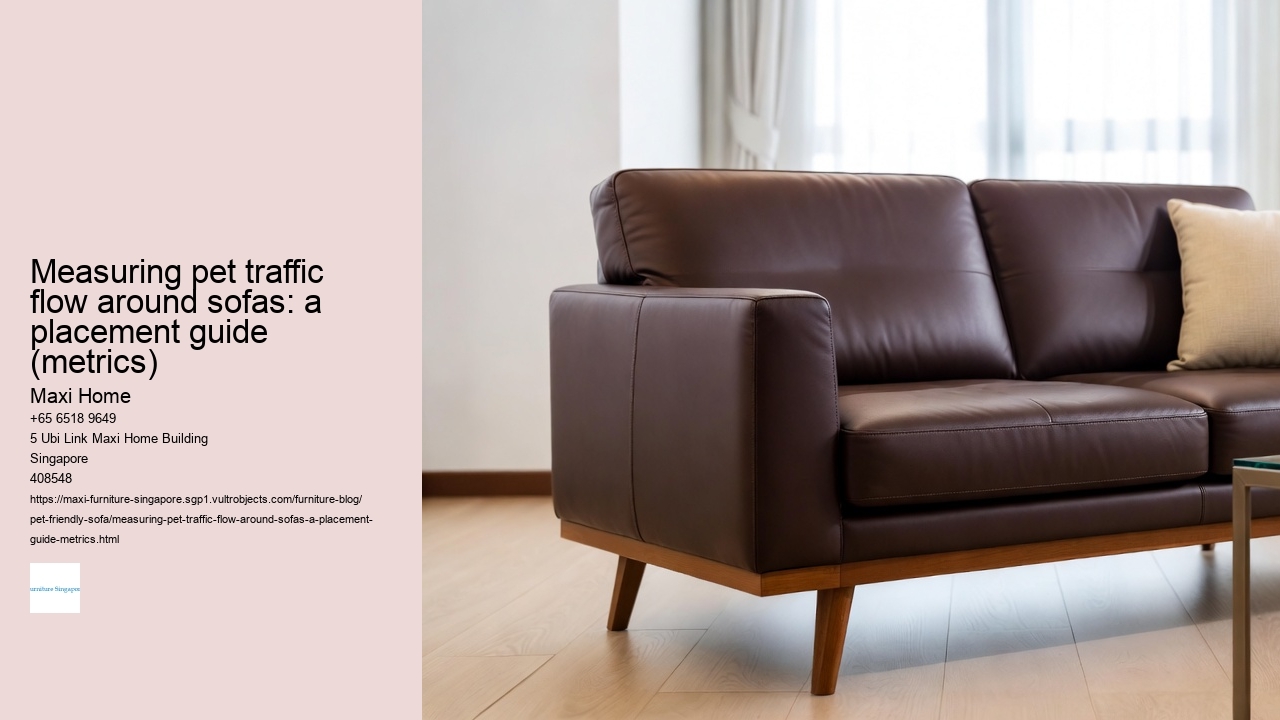
Let's talk sofas! Finding the perfect pet-friendly sofa is crucial. It needs to be comfortable, stylish, and, most importantly, durable enough to withstand the wear and tear of pet ownership. Look for sofas made from materials that are stain-resistant, scratch-resistant, and easy to clean. Microfiber, leather (especially treated leather), and tightly woven fabrics are all good options. Avoid delicate fabrics like silk or velvet, as these are more likely to snag and tear.

Consider the sofa's frame construction, too. A solid hardwood frame will be more durable than a cheaper frame made from particleboard or plywood. And don't forget about the cushions! Look for cushions that are filled with high-density foam or down alternative, as these will hold their shape better and provide more support. Finally, think about the sofa's style. A sofa with clean lines and minimal detailing will be easier to clean and maintain than a sofa with lots of tufts and buttons. Plus, a simpler design will be less tempting for your pet to chew on! Choosing the right pet-friendly sofa is an investment in your home's comfort and longevity. After a long day squeezing on the MRT and grinding through meetings, most busy Singaporeans just want to step into their house to a space that feels welcoming and calm instead of making things worse. A disorganised space or an uncomfortable bedroom can make relaxing even tougher, especially when the whole family are trying to relax together. That’s where thoughtful condo interior design really makes a difference—it turns everyday rooms like your living area, bedroom, or cooking zone into personal havens that actually help you refresh your energy. With the right couch, mattress, or functional arrangement, suddenly getting home feels damn shiok, and thoughtful tweaks can bring big improvements to your daily mood and family bonding. Platforms like Wondrous La Vie make it simpler to discover inspiration and match with interior designers who understand the Singapore home vibe perfectly. This format lets you easily generate multiple SEO-optimised variations while keeping the core keyword "interior design" stable in the middle for strong on-page targeting.. People living in the Lion City often must navigate specific hurdles when outfitting their living spaces, particularly due to tight space constraints in HDB flats and condos and year-round moisture levels that test material durability. This is exactly why wise homeowners shop very thoughtfully to enjoy real long-term value. pet friendly sofa proves to be a smart choice that brings together both superior comfort and practicality. It’s important to note that purchasing reasonably priced pieces in Singapore with excellent after-sales service promises you total support including fast island-wide delivery, professional installation, and reliable warranties that deliver true long-term peace of mind for years ahead.. It's something you'll use every day, so it's worth taking the time to find something that you and your pet will love for years to come.

Maintenance and Cleaning Tips

Okay, you've got your pet-friendly sofa perfectly placed, and it's made of super durable material. But let's be honest, accidents happen. Regular cleaning is key to keeping your sofa looking its best and preventing odors from building up. Vacuum your sofa regularly to remove pet hair and dander. A handheld vacuum with an upholstery attachment is a great tool for this. The hall is typically the initial area guests see and where the family spends most evenings, so it makes sense to want pieces that feels premium, organises cables neatly, and doesn’t make the room feel smaller than it already feels in most SG flats. Many people endure clunky legacy furniture or low-cost options that feel unstable, attract dust fast, or just don’t align with contemporary style they’re going for. That’s exactly where a well-chosen furniture stores singapore steps in—it delivers sleek storage for TV gadgets, streaming players, and controllers while serving as an elegant centrepiece that unifies the entire space with sharp modern edges, thoughtful compartments, and luxurious surfaces. Suddenly your entertainment setup feels tidy and purposeful, the space appears larger and more polished, and film evenings get way more fun without the clutter distracting everyone. Exploring handpicked selections on places like Wondrous La Vie helps you discover styles that suit your layout spot-on, from minimalist to luxurious, so your hall refresh turns smooth and just right.. For spills and stains, act quickly! Blot the area with a clean cloth and use a pet-friendly stain remover. Always test the stain remover in an inconspicuous area first to make sure it doesn't damage the fabric.

Consider using sofa covers or throws to protect your sofa from scratches and stains. These are easy to remove and wash, and they can add a pop of color or pattern to your living room. And don't forget to groom your pet regularly! Brushing them regularly will help reduce shedding and minimize the amount of hair that ends up on your sofa. With a little bit of effort, you can keep your pet-friendly sofa looking fresh and clean for years to come. It's all about being proactive and staying on top of things. You know, a little bit of effort goes a long way, leh!

Sofa Placement

Strategic placement minimizes obstacles and maximizes space. Consider pet size, activity level, and preferred routes. Ensure enough room for pets to bypass the sofa comfortably.

Pet-Friendly Sofa

Select sofas with durable, easy-to-clean materials. Consider low-pile fabrics and stain-resistant treatments. This minimizes damage and simplifies maintenance in pet-friendly homes.

Traffic Flow Metrics

Quantify pet traffic by observing paths around sofas. Note frequency, common routes, and congestion points. Use this data to optimize sofa placement for smoother pet movement.

Understanding Pet Traffic Patterns

So, you're finally setting up your dream home in Singapore, shiok! Maybe it's a brand new BTO flat, maybe you're renovating – either way, congrats! But here's the thing many first-time homeowners don't always think about right away: how your furry friends will actually use the space, especially around the sofa. It's not just about picking a nice colour, is it? We're talking about pet traffic flow, and trust me, it matters, especially when you're trying to keep things neat and tidy lah.

Decoding Your Pet's Sofa Shenanigans

Let's be real, our pets have their own little routines and habits, right? Understanding how they navigate your living room, particularly around the sofa, is key to creating a harmonious and functional space. It's not just about aesthetics; it's about creating a comfortable environment for both you and your beloved companions. After all, we want happy pets, happy home, right?

Think about it: does your cat always try to squeeze behind the sofa? Does your dog take a running leap onto it every chance they get? These are the things we need to consider. It's all about observing their behaviour and then tailoring your sofa placement accordingly. This way, you're not constantly battling their natural instincts, and they're not bumping into things or feeling restricted. We are trying to find a Furniture that can be pet friendly.

Consider your pet's size, breed, and personality. A small chihuahua will have very different traffic patterns than a boisterous golden retriever. Some breeds are naturally more inclined to explore, while others prefer to find a cozy spot and stay put. So, observe your furry friend, take notes (mental ones are fine!), and let's get started.

Mapping Common Pet Traffic Patterns Around Sofas

Alright, let’s dive into some common pet traffic patterns. This is where things get interesting! You'll probably recognize some of these from your own pet's behaviour. One very common pattern is the "sofa shortcut." Pets, especially dogs, often see the space behind or beside the sofa as a convenient shortcut to get from one side of the room to the other. Instead of going around, they'll squeeze through, potentially knocking things over or getting their fur stuck. Sound familiar?

Then there's the "designated resting spot." In Singapore’s non-stop life, stepping into your home to a space that feels properly relaxing can make a huge impact after a full day of meetings and travel. Many homeowners begin looking at upgrades for their hall or bedroom, hoping for pieces that feel premium while genuinely cozy enough for real life. That’s exactly why singapore sofa shines—it brings that perfect blend of elegant design, high-quality fabrics and finishes, and genuine relaxation that turns ordinary rooms into havens you can’t wait to return to relaxing in. Imagine settling into a luxurious couch after dinner or starting the day energised on a supportive premium mattress that supports you just right; suddenly, your home feels more like a true escape not just four walls. Browsing thoughtfully chosen pieces on places like Wondrous La Vie helps you discover these furniture without the overwhelm, making it easier to create a space that’s both elegant and calming.. This is usually a specific corner or cushion on the sofa that your pet has claimed as their own. It's their safe space, their go-to spot for naps and cuddles. Observe where they naturally gravitate towards. Is it a sunny spot? Is it near a window where they can watch the world go by? Understanding their preferred resting spot can help you choose a Furniture that’s pet friendly and durable and arrange the surrounding area to be more comfortable for them. Maybe add a small blanket or cushion just for them?

Another pattern is the "perimeter patrol." Cats, in particular, often like to patrol the perimeter of a room, using the sofa as a vantage point or a hiding spot. They might walk along the back of the sofa, peering down at the room, or duck behind it to stalk their prey (even if it's just a dust bunny!).

And let's not forget the "aerial assault" – the running leap onto the sofa! This is a classic move, especially with younger, more energetic dogs. They see the sofa as a mountain to conquer, and they'll launch themselves onto it with gusto. This can be tough on the sofa, so choosing a durable, pet-friendly fabric is crucial. Imagine, you just want to relax after a long day at work, and suddenly, BAM! Dog missile. Siao liao!

Sofa Placement Strategies for Pet-Friendly Living Rooms

Okay, now that we understand the common traffic patterns, let's talk about sofa placement strategies. This is where we put our knowledge into action and create a living room that works for both you and your pets. First, consider blocking off those "sofa shortcuts." If your pet is constantly squeezing behind the sofa, try placing it closer to the wall or adding a small piece of furniture to block the gap. In Singapore’s space-limited HDBs and condos, intelligent storage solutions is often the key to a peaceful tidy home and one that feels constantly cluttered no matter how much you tidy. Singapore homeowners commonly face overloaded racks, miscellaneous items shoved under beds, or cabinets that are either too deep to reach the back or not deep enough for essentials, making everyday living feel more stressful than it should. That’s precisely where a smart sofa sets steps up—it offers purpose-built storage zones, movable dividers, sleek closed doors to hide mess, and space-efficient designs that optimise every centimetre while adding a polished, modern touch to halls, sleeping spaces, or even kitchen areas. The result is a home that remains tidy effortlessly, tables and counters free for bonding, and you finally get that satisfying “everything has its place” feeling that makes returning home feel truly relaxing. Resources like Wondrous La Vie highlight numerous smart and attractive designs, helping you choose the ideal fit that fits your exact needs and space without second-guessing.. This will encourage them to use the proper pathways and prevent any accidental damage. A console table behind the sofa not only looks stylish but also solves this problem nicely, confirm can!

Next, think about creating clear pathways around the sofa. Make sure there's enough space for your pet to move freely without bumping into things. Avoid cluttering the area with too much furniture or decorations. A clear and open space will make your pet feel more comfortable and less likely to create their own shortcuts. After all, we want them to feel at home, right? Ensure the sofa is not directly in front of main walkways, forcing your pet to detour constantly.

If your pet has a designated resting spot on the sofa, consider placing a pet bed or blanket in that area. This will help to protect the sofa fabric from wear and tear and provide your pet with a comfortable and familiar place to relax. You can also choose a sofa with removable and washable covers for easy cleaning. Singapore weather can be humid, so washable covers are a godsend.

For pets who love to leap onto the sofa, consider providing them with an alternative climbing option, such as a pet ramp or stairs. This will make it easier for them to get onto the sofa without putting too much strain on their joints and will also help to protect your sofa from damage. Plus, it's super cute to watch them use the ramp! Isn't it?

Choosing the Right Sofa: Fabrics, Durability, and Pet-Friendliness

Choosing the right sofa is crucial for a pet-friendly home. It's not just about finding something stylish; it's about finding something that can withstand the wear and tear of pet ownership. Let's talk about fabrics first. Some fabrics are simply better suited for pets than others. Microfiber is a popular choice because it's durable, easy to clean, and resistant to scratches and stains. Leather is another good option, as it's also durable and easy to wipe clean. However, it can be prone to scratches, so keep that in mind. Avoid delicate fabrics like silk or velvet, as they're easily damaged by pet claws and fur. Think practical, lah!

Durability is key. Look for a sofa with a sturdy frame and high-quality construction. A solid wood frame is generally more durable than a metal frame. Also, consider the density of the cushions. High-density cushions will hold their shape better and provide more support for your pet. Nobody wants a saggy sofa, right? A poorly made sofa will quickly show wear and tear, especially with active pets.

And of course, pet-friendliness is paramount. Look for sofas that are specifically designed for pet owners. These sofas often have features like stain-resistant fabrics, removable and washable covers, and scratch-resistant surfaces. They may also have hidden storage compartments for pet toys and supplies. A Furniture that is pet friendly will make your life so much easier, trust me. Imagine not having to worry about every little spill or scratch! That’s the dream, right?

Maintaining a Clean and Odor-Free Sofa with Pets

Okay, so you've chosen the perfect sofa and arranged your living room to accommodate your pet's traffic patterns. Now, let's talk about maintenance. Keeping your sofa clean and odor-free is essential for a happy and healthy home. Regular vacuuming is a must. Use a vacuum cleaner with a pet hair attachment to remove loose fur and dander from the sofa. Vacuum at least once a week, or more often if your pet sheds a lot. This will not only keep your sofa clean but also help to reduce allergens in your home.

Spot cleaning is also important. Accidents happen, right? When your pet has a spill or makes a mess on the sofa, clean it up immediately. Use a pet-friendly stain remover to remove the stain and odor. Avoid using harsh chemicals, as they can damage the fabric and be harmful to your pet. Always test the stain remover on a small, inconspicuous area of the sofa first to make sure it doesn't cause any discoloration.

Consider using sofa covers or throws to protect your sofa from dirt, fur, and scratches. These are easy to remove and wash, and they can also add a pop of color and style to your living room. Choose covers or throws that are made from pet-friendly fabrics like microfiber or cotton.

Finally, don't forget about odor control. Pet odors can linger on furniture, even after cleaning. Use a pet-friendly odor eliminator to neutralize odors and keep your sofa smelling fresh. You can also try placing a bowl of baking soda near the sofa to absorb odors. Remember, a clean and fresh-smelling home is a happy home, for both you and your pets! Like that, steady can?

Key Metrics for Sofa Placement

Clearance Space

Clearance space is paramount when considering your pet's traffic flow around your sofa. It refers to the unobstructed area surrounding the sofa, allowing your furry friends to move freely without squeezing through tight spots or bumping into other furniture. Ideally, aim for at least 24 inches of clearance on all sides of the sofa, especially in high-traffic areas. This ensures that your pet can easily navigate around the sofa, reducing the risk of accidents and promoting a sense of comfort and security. A wider clearance space also makes cleaning easier, preventing fur and debris from accumulating in hard-to-reach corners.

Accessibility Score

The accessibility score measures how easily your pet can reach their favorite spots from the sofa. Consider factors like the height of the sofa, the presence of steps or ramps, and the proximity to windows or other points of interest. After those endless workdays and the routine commute crush, nothing beats walking into a living room that actually invites you to unwind instead of piling on more tiredness. Many busy Singapore households realise their existing sofa setup just isn’t doing the job—too hard, faded, or simply not supportive enough for weekend chilling or relaxed Sundays with the children. That’s precisely where Italian designer furniture becomes a game-changer—it pairs classic elegance, supple premium upholstery, and smart comfort engineering so you can melt into it and truly relax without your back aching afterwards. Imagine the entire family gathering there naturally, sharing stories after meals or enjoying Netflix marathons, because the space now feels warm and welcoming. Finding the perfect piece through handpicked collections on Wondrous La Vie removes the hassle, letting you find that perfect piece that elevates your entire home vibe without the typical renovation stress.. A low sofa might be ideal for smaller dogs or cats, while larger dogs might prefer a higher sofa with ample space underneath. If your pet has mobility issues, consider adding a ramp or steps to make it easier for them to access the sofa. Remember, a happy pet is one that can easily reach their favorite lounging spots.

Obstacle Avoidance

Obstacle avoidance rate assesses how well your pet can navigate around obstacles near the sofa. This includes items like coffee tables, ottomans, and even potted plants. Observe how your pet moves around these obstacles and make adjustments as needed. Consider rearranging furniture to create a clear path for your pet or removing obstacles altogether. A high obstacle avoidance rate indicates that your pet can move freely and safely around the sofa, minimizing the risk of accidents and injuries. It's all about creating a pet-friendly environment where they can roam without worry.

Comfort Zones

Comfort zones are designated areas around the sofa where your pet feels safe and secure. This could be a cozy dog bed next to the sofa, a scratching post for your cat, or even just a favorite blanket. By providing these comfort zones, you create a sense of stability and predictability for your pet. Encourage them to use these zones by placing their favorite toys or treats nearby. A well-defined comfort zone can help reduce anxiety and promote relaxation, especially in new or unfamiliar environments. After all, a comfortable pet is a happy pet.

Material Durability

Material durability is crucial when choosing a pet friendly sofa. Opt for fabrics that are resistant to scratches, stains, and odors. Microfiber, canvas, and denim are excellent choices for their durability and ease of cleaning. Avoid delicate fabrics like silk or velvet, as they are more prone to damage. Consider the weave and texture of the fabric as well. Tightly woven fabrics are less likely to snag or tear, while smoother textures are easier to clean. Investing in a durable sofa will not only save you money in the long run but also provide a comfortable and safe space for your pet to relax.

Optimal Sofa Placement Strategies

```html

So, you're finally setting up your new place, shiok! Exciting times, right? But if you're anything like me (and most Singaporeans I know), you're probably thinking hard about how to make the most of your space, especially with furkids running around. Getting your sofa placement right is key, especially when you've got a pet friendly sofa in mind. It's not just about aesthetics; it's about creating a comfortable and functional living area for everyone, including your four-legged family members. After all, a happy pet, a happy home, right?

Let's be real, in our Singaporean homes, space is often a luxury. Whether you're in an HDB flat, a condo, or even a landed property, maximizing every square foot is essential. And when you add pets into the mix, things can get a little… chaotic. Your pets, bless their furry hearts, have their own traffic patterns, favourite napping spots, and zoomie zones. You’ve got to consider all that when deciding where to put your sofa! This guide is all about finding that sweet spot where style meets practicality, and where both you and your pets can coexist in blissful harmony. We’ll cover everything from measuring pet traffic flow around sofas to specific placement strategies for different home layouts. Plus, we'll explore how to choose the perfect pet friendly sofa that can withstand a bit of wear and tear (and maybe even the occasional accident). Don't worry, lah, we'll get through this together!

First things first, let’s talk about understanding your pet's behaviour. Before you even think about moving furniture, take some time to observe your pet. Where do they like to hang out? What routes do they typically take through the living room? Do they have a favourite spot to watch the world go by? This is crucial for planning your pet friendly sofa placement. For example, if your cat loves to perch on the back of the sofa to survey their kingdom, you might want to avoid placing it directly in front of a window. Or, if your dog tends to zoom from one end of the room to the other, make sure there's enough clear space for them to do their thing without knocking over any precious items. I mean, who wants to spend their weekends cleaning up shattered vases, right? Understanding their needs will help you to create a space that is both functional and enjoyable for everyone. And, let's be honest, a little bit of planning can save you a whole lot of headaches down the road. So, grab a notepad, observe your pet, and let's get started!

Okay, so you've observed your pet's habits. Good job! Now it's time to get down to the nitty-gritty of measuring pet traffic flow around sofas. This might sound a bit technical, but trust me, it's not rocket science. Think of it as creating a pet-friendly highway system in your living room. The goal is to identify the main routes your pet uses and ensure that your pet friendly sofa placement doesn't block those routes. After all, you don't want to create a furniture obstacle course for your furry friend, do you?

One simple way to measure pet traffic flow is to use masking tape to mark out the areas where your pet frequently walks. This will give you a visual representation of their typical routes. Pay attention to the width of these routes as well. Do they tend to walk in a straight line, or do they weave around furniture? This will help you determine how much space you need to leave open. Another handy trick is to use a pet camera or even just your phone to record your pet's movements throughout the day. This can be especially helpful if you're not always home to observe them in person. You might be surprised at what you discover! Maybe they have a secret napping spot behind the sofa, or a favourite route that you never even noticed before. The more information you have, the better equipped you'll be to make informed decisions about your pet friendly sofa placement. Remember, it's all about creating a space that works for both you and your furry companion.

Now, let's talk about some specific examples. If you have a small dog, you might be able to get away with a narrower pathway. But if you have a larger dog, or multiple pets, you'll need to leave plenty of room for them to move around comfortably. Consider the size of your pet friendly sofa as well. A large sectional sofa might look great in a spacious living room, but it could also block off important traffic routes in a smaller space. Don't be afraid to experiment with different layouts. Try moving your existing furniture around to see how it affects your pet's movements. You might discover that simply shifting your coffee table a few inches can make a big difference. And remember, it's okay to ask for help! If you're feeling overwhelmed, don't hesitate to consult with a professional interior designer or even just a friend with a good eye for space planning. They might be able to offer some valuable insights and suggestions. After all, two heads are better than one, right? Plus, getting a second opinion can help you avoid making costly mistakes. So, take your time, do your research, and don't be afraid to get creative. With a little bit of planning, you can create a living room that is both stylish and pet-friendly.

Okay, steady pom pi pi, now we're getting to the good stuff: specific sofa placement strategies! Singapore homes come in all shapes and sizes, from cozy HDB flats to sprawling condos, so one size definitely doesn't fit all. Let's break down some common layouts and how to make the most of them, keeping your pet friendly sofa and your furry friends in mind.

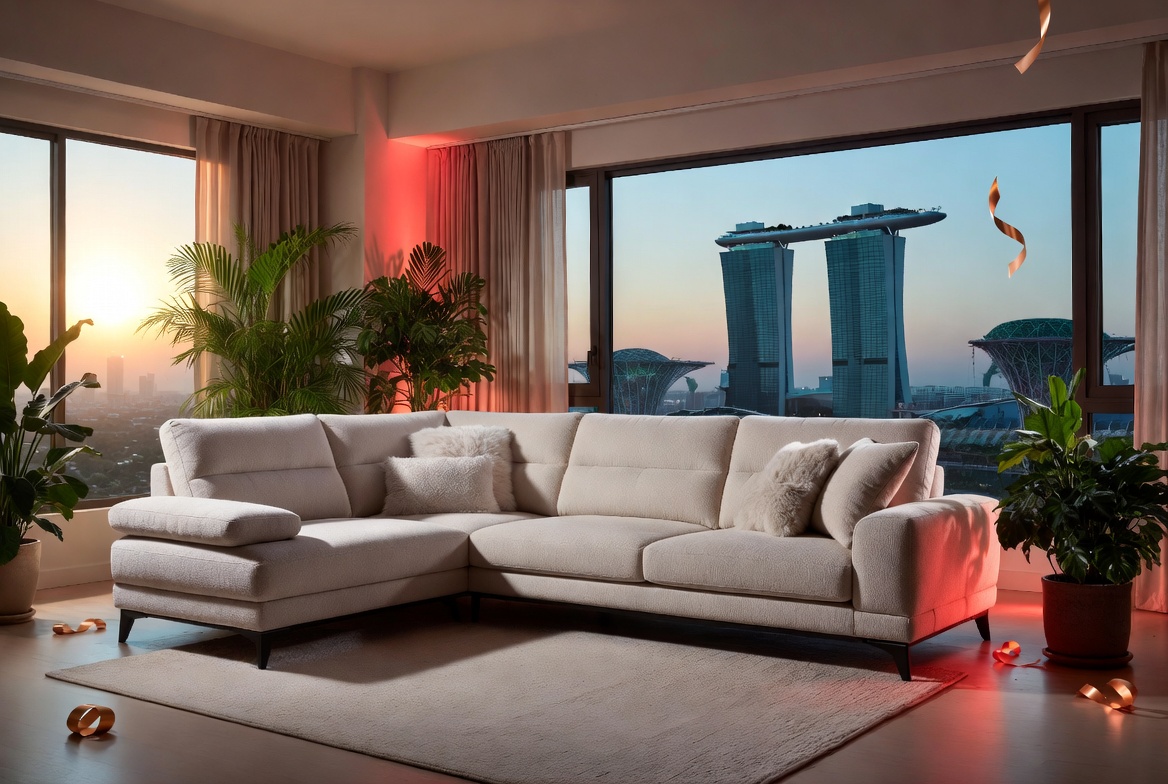
For HDB flats, space is often at a premium. You might be tempted to push your sofa right up against the wall to maximize floor space, but that's not always the best solution, especially with pets. Consider pulling the sofa away from the wall slightly to create a pathway behind it. This can be especially helpful if your pet likes to patrol the perimeter of the room. A corner sofa can be a great option for HDB flats, as it maximizes seating without taking up too much floor space. Just make sure to leave enough room for your pet to move around the corner of the sofa. Modular sofas are also a fantastic choice, as you can customize the configuration to fit your specific space and needs. And if you need extra sleeping space for guests, a sofa bed can be a lifesaver. When choosing a pet friendly sofa for an HDB flat, look for durable, easy-to-clean materials. Microfiber and leather are both great options, as they can withstand a bit of wear and tear. Avoid delicate fabrics like velvet or silk, as they can be easily damaged by pet claws. And don't forget to protect your sofa with a good quality sofa cover. This will help to keep it clean and free from pet hair. It's about finding that balance between style and practicality, you know?

Now, let's move on to condos. Condos often have more open-plan layouts, which can be a blessing and a curse when it comes to pet-friendly sofa placement. On the one hand, you have more space to work with. On the other hand, you need to be careful not to create a cluttered or overwhelming space. In condos, you can get away with slightly bigger sofas and sectionals. A strategically placed area rug can help to define the living area and create a cozy space for both you and your pet. Consider placing your pet friendly sofa near a window with a view. This will give your pet a place to watch the world go by and keep them entertained. Just make sure to provide some shade or blinds to protect them from the harsh Singapore sun. And don't forget to create a designated pet zone in your living room. This could be a comfy pet bed, a scratching post for cats, or a toy basket for dogs. Having a dedicated space for your pet will help them feel more comfortable and secure in their environment. Plus, it will help to keep their toys and belongings organized. It's all about creating a harmonious living space where everyone can thrive. So, take your time, experiment with different layouts, and don't be afraid to get creative. With a little bit of planning, you can create a condo living room that is both stylish and pet-friendly. Remember, lah, happy pet, happy life!

Visual aids are your best friend, confirm can! I'm talking diagrams, sketches, even just a quick floor plan you scribble on a piece of paper. Seeing is believing, and a visual representation of your living room layout can make all the difference when planning your pet friendly sofa placement. It helps you visualize the space, identify potential problem areas, and experiment with different configurations before you start moving heavy furniture around.

Singapore homes can feel extra cramped after a long exhausting day of juggling office hours, meetings, and the daily MRT rush, so it’s no wonder many homeowners long for a space that quickly helps you decompress the moment they enter their home. The hall often ends up as the central hub of family life, yet it’s easy for it to become cluttered with mismatched pieces or furniture that’s seen better days, leaving everyone scattered instead of gathered together. That’s where furniture promotions really makes the magic happen—it elevates the entire space with sophisticated layouts, premium textures, striking light fixtures, and comfortable yet beautiful furniture, creating an welcoming centre where family naturally comes together to unwind, chat, or simply enjoy each other’s company. Nights at home start feeling richer, weekends far more relaxing, and walking in the door feels exciting rather than merely the close of another grind. Platforms like Wondrous La Vie make exploring these upgrades easy, helping you imagine and find the ideal features to craft a living room that fits your family’s needs spot on..

Start by drawing a simple floor plan of your living room. Include the dimensions of the room, as well as the location of windows, doors, and any other fixed features. Then, add in your existing furniture, including your sofa, coffee table, and any other chairs or tables. Now, here's where the fun begins. Use different colored pencils or markers to represent your pet's traffic flow. Mark out their typical routes, their favorite napping spots, and any areas where they tend to congregate. This will give you a clear visual representation of how your pet uses the space. Next, experiment with different sofa placements. Try moving your sofa to different locations on your floor plan and see how it affects your pet's traffic flow. Does it block their routes? Does it create any new obstacles? Does it make the room feel more cramped or more open? Don't be afraid to get creative and try out different ideas. You might be surprised at what you discover. For example, you might find that simply rotating your sofa 90 degrees can make a big difference in the way your pet moves through the room. Or, you might realize that you need to remove a piece of furniture altogether to create more space. The key is to be flexible and open to new possibilities. Remember, the goal is to create a living room that is both functional and enjoyable for both you and your pet. And a visual aid can make the whole process a lot easier and more efficient.

Online tools and apps can also be super helpful. There are tons of free online room planners that allow you to create a virtual model of your living room and experiment with different furniture arrangements. These tools often come with pre-loaded furniture models, so you can easily drag and drop different sofas and chairs into

Materials and Design Considerations

Okay, you've finally got your own place – congrats! Setting up your BTO or condo in Singapore is exciting, but if you’re like many of us, your furkid is basically family. So, making sure your furniture, especially your sofa, can handle a little (or a lot!) of pet love is super important. Let’s talk about the materials and designs that’ll keep both you and your furry friend happy.

Choosing the Right Materials: Durability is Key

Let’s be real, our pets aren't always the gentlest creatures, are they? Scratches, shedding, maybe the occasional accident – it's all part of the package. That's why choosing the right material for your pet friendly sofa is crucial. You want something that looks good *and* can stand up to the daily wear and tear.

Here in Singapore, humidity is a big factor, so you'll want to consider materials that are breathable and resistant to moisture. Here’s a breakdown of some top contenders:

  • Microfiber (or Faux Suede): This is a popular choice for a reason. It’s super soft, feels great to the touch, and most importantly, it's incredibly durable. Microfiber is tightly woven, making it resistant to scratches and snags from claws. Plus, it’s relatively easy to clean – most spills can be wiped away with a damp cloth. You can find microfiber pet friendly sofa options in almost any furniture store here, from IKEA to Castlery.
  • Leather (or Faux Leather): Leather is another excellent choice, especially if you're going for a more sophisticated look. It’s naturally durable and easy to wipe clean. Scratches can sometimes even add character! Just be sure to condition the leather regularly to keep it supple. Faux leather is a great, more affordable alternative that still offers good durability and easy maintenance. Just be mindful of the quality, as some faux leathers can crack or peel over time.
  • Canvas or Denim: These are surprisingly good options for a pet friendly sofa! They're tough, durable, and can withstand a lot of abuse. Plus, they often have a more casual, relaxed vibe that fits well with Singapore's laid-back lifestyle. The downside? They might stain more easily than microfiber or leather, so be prepared to spot-clean regularly.
  • Performance Fabrics: Keep an eye out for sofas made with "performance fabrics." These are specifically designed to resist stains, spills, and wear and tear. They're often treated with special coatings that make them water-repellent and easy to clean. Ask the salesperson about stain-resistant treatments; they confirm can help extend the life of your sofa.

Avoid delicate fabrics like silk, velvet, or linen. They look gorgeous, but they're just not practical if you have pets. Trust me, you'll spend more time worrying about stains and tears than actually enjoying your sofa.

Design Considerations: Low Profile, Scratch Resistance, and Hidden Storage

Beyond the material, the design of your pet friendly sofa also plays a big role in how well it holds up to pet traffic. Think about these factors:

  • Low Profile: Sofas with lower profiles are generally easier for pets to get on and off, especially for smaller dogs or cats with shorter legs. This can help prevent them from scratching or clawing at the sides of the sofa trying to climb up.
  • Tight Weaves and Scratch-Resistant Fabrics: Look for fabrics with a tight weave, as these are less likely to snag or tear. Some fabrics are even specifically marketed as "scratch-resistant." While no fabric is completely scratch-proof, these can definitely help minimize damage.
  • Hidden Storage: This is a lifesaver in small Singapore apartments! Ottomans with storage, sofas with built-in drawers – these are all great for stashing pet toys, blankets, and other essentials. It helps keep your living room clutter-free and organized.
  • Removable and Washable Covers: If possible, choose a sofa with removable and washable covers. This makes cleaning up spills and accidents a breeze. Even better if the covers are machine-washable!
  • In Singapore’s humid weather and demanding work-life balance, getting decent sleep can feel like a rare treat when you’re getting up feeling sore or still tired despite going to sleep on time. Many Singapore homeowners put up with an outdated sleep surface for far too long because looking for a new one seems too complicated—endless options, puzzling support choices, and worries it won’t suit their personal needs and preferences. That’s exactly why finding the sleep well makes a huge difference—it provides the ideal mix of firm yet forgiving support, excellent airflow and cooling, even weight distribution, and durability so you truly start the day feeling refreshed instead of achy and sluggish. Days begin much smoother, energy holds up better throughout the day, and even your spouse feels the improvement. Exploring thoughtfully chosen picks on sites such as Wondrous La Vie makes it far easier, letting you compare top-rated picks with genuine homeowner reviews and realistic images to match what truly works for your sleeping space..
  • Consider Leg Material and Height: Think about the sofa legs. Are they made of wood or metal? Are they tall enough for your pet to comfortably crawl underneath (and potentially get stuck)? Metal legs are often more durable and scratch-resistant than wood. Higher legs can also make it easier to clean underneath the sofa.

Think about your pet's personality and habits. Does your dog love to dig? Then you'll definitely want to avoid loose cushions or skirts that they can get their paws under. Does your cat love to scratch? Invest in a good scratching post and place it near the sofa to redirect their attention.

One thing I learned the hard way? Darker colors are your friend! They hide stains and pet hair much better than lighter colors. A pet friendly sofa in a dark gray, navy blue, or even a patterned fabric can be a lifesaver. Just remember to still vacuum regularly!

Specific Material Recommendations Readily Available in Singapore

Okay, so where can you actually find these amazing pet friendly sofa options in Singapore? Here are a few places to start:

  • IKEA: IKEA is a great option for budget-friendly sofas. Their sofas with removable and washable covers are particularly popular among pet owners. Look for their microfiber options – they're surprisingly durable.
  • Castlery: Castlery offers a wide range of stylish and modern sofas, many of which are available in pet-friendly fabrics. They often have sales, so keep an eye out for deals!
  • HipVan: HipVan is another great online retailer with a good selection of sofas in various styles and materials. They often have customer reviews that can give you insights into how well a particular sofa holds up to pets.
  • Local Furniture Stores: Don't forget to check out your local furniture stores! They often have a wider selection of fabrics and styles than the big chain stores. Plus, you can often negotiate the price.

When you're shopping, don't be afraid to ask the salesperson about the durability and cleanability of the fabric. They should be able to provide you with information about stain resistance, scratch resistance, and other important factors. It's also a good idea to ask for fabric samples so you can test them out at home. Rub them with your fingernail to see if they snag easily, and try to stain them with a little water or coffee to see how well they clean up. Better to test it now than regret it later, right?

Getting a pet friendly sofa doesn’t mean sacrificing style or comfort. With a little planning and research, you can find a sofa that both you and your furry friend will love. Steady lah, you confirm can find one that suits your style and budget!

Ultimately, creating a pet-friendly home is about finding a balance between your needs and your pet's needs. Choose materials and designs that are durable, easy to clean, and comfortable for everyone. With a little bit of effort, you can create a living space that's both stylish and functional – a place where you and your pet can relax and enjoy each other's company. Don't worry too much, one. Everything also can one!

Testing Traffic Flow: A DIY Guide

Okay, *lah*, here's that article you asked for. I hope it helps all those new homeowners setting up their *atas* (but comfy) homes! ```html

So, you've finally got the keys to your new place! *Congrats!* Now comes the fun part – turning that blank canvas into a home. And if you're like many of us in Singapore, that home includes a furry friend (or two, or three!). But figuring out how to make your space work for *both* you and your pets can be a bit of a head-scratcher, right? Especially when it comes to the living room and that all-important sofa. Don't worry, we've all been there. One of the biggest things to consider is traffic flow. You don’t want a furniture arrangement that feels like an obstacle course for your furkid, or yourself for that matter! Let’s dive into how you can easily measure and improve your pet's traffic flow around your sofa. After all, a happy pet (and a happy you) makes for a happy home.

Why Pet Traffic Flow Matters (and How it Impacts Your Sanity)

Okay, so why all the fuss about pet traffic flow? Well, think about it: your pets aren't just living *in* your home, they're living *through* it. They have their own routines, their own favorite spots, and their own well-worn paths. A poorly planned living room can disrupt those routines, leading to stress for your pet – and, let's be honest, probably some unwanted behaviors like scratching, accidents, or just general grumpiness. Plus, imagine constantly tripping over your dog as you try to get to the TV, or having to navigate a maze of furniture every time you want a snack. Not fun, *right*?

Good traffic flow, on the other hand, creates a sense of calm and order. Your pets can move freely and confidently, knowing they can easily get to their food bowl, their favorite sunny spot, or, most importantly, to you for cuddles. It also makes your life easier, reducing the risk of accidents (for both humans and pets) and making cleaning a breeze. A good pet friendly sofa placement is key to achieving this. It’s not just about aesthetics; it’s about creating a functional and harmonious space for everyone. A well-placed sofa can actually *improve* the overall feel of your living room, making it feel more spacious and inviting. Think of it as designing with your pet in mind, creating a space that caters to their needs as much as it does to your own. After all, they're family!

Consider this: A clear path from the entrance to their water bowl, or a straight shot to the window for squirrel-watching, can make a huge difference in your pet's daily life. And a happy pet means less stress for you. It's a win-win! So, let's get practical and figure out how to measure that traffic flow, *can*?

Tools and Techniques for Measuring Pet Traffic (It’s Easier Than You Think!)

Alright, time to put on your detective hat! Measuring pet traffic flow doesn't require fancy equipment or a degree in interior design. You can do it with simple tools you probably already have at home. First, grab a measuring tape. This will help you assess the width of walkways and the distance between furniture pieces. You'll also need a notepad and pen (or your phone) to jot down your observations. A camera or smartphone is useful for taking photos of your current layout and any potential problem areas. And finally, the most important tool: your own two eyes! Observation is key.

Start by observing your pet's movements throughout the day. Where do they typically go? What routes do they usually take? Are there any areas where they seem to struggle or hesitate? Pay attention to how they navigate around your existing furniture, especially your sofa. Do they have to squeeze through tight spaces? Do they bump into things? Are there any "pinch points" where traffic gets congested? Note these observations down. You might even want to sketch a rough floor plan of your living room and mark your pet's usual paths with different colored lines. This visual representation can be incredibly helpful in identifying areas that need improvement.

Another technique is to use "temporary obstacles" to test different layouts. For example, you could temporarily move a coffee table or a chair to see how it affects your pet's traffic flow. Does it create a bottleneck? Does it force them to take a longer route? This kind of experimentation can give you valuable insights into how different furniture arrangements impact your pet's movement. Remember, the goal is to create clear and unobstructed pathways that allow your pet to move freely and safely. With Singapore’s compact homes and hot sticky weather, finding home furnishings that’s both stylish and practical can feel like a never-ending hunt—especially when you need items that last through the years without losing their look. Many locals end up choosing mainstream choices that seem fine on websites but don’t hold up well—either too lightweight for real family life or not breathable enough for our climate. That’s why visiting a reliable single mattress​ curated through Wondrous La Vie makes such a big difference—it puts you in touch with curated selections of top-grade seating, supportive mattresses, meal-area pieces, and more, with actual physical displays or high-res photos so you can feel confident about what suits your flat, apartment, or house. You get that confidence knowing the furniture are designed with SG homes in mind—long-lasting builds, smart sizing, and looks that turn your space into a cosy haven. In the end, the perfect platform turns what could be a stressful errand into an fun upgrade process toward a living environment that feels truly shiok.. And don't be afraid to get creative! Sometimes, the simplest solutions are the most effective. For example, if your cat always jumps over the arm of the sofa, maybe you could place a small, sturdy stool nearby to make it easier for them. This could be especially useful if you have a pet friendly sofa that you want to protect from constant jumping.

Don’t worry if it feels a bit *blur* at first. Just keep observing and experimenting, and you'll soon start to see patterns and identify areas for improvement. Plus, you're getting to know your pet's habits even better – which is always a good thing, *right*?

Analyzing the Data: Identifying Problem Areas (Time to Get Real!)

So, you've done your observation, taken your measurements, and sketched your floor plan. Now comes the slightly less fun part: analyzing the data and identifying those problem areas. This is where you take a good, hard look at your living room layout and ask yourself some tough questions. Are there any areas where your pet consistently struggles to navigate? Are there any pathways that are too narrow or obstructed? Are there any furniture pieces that seem to be causing a bottleneck? Be honest with yourself, even if it means admitting that your beloved coffee table is actually a major obstacle.

Look for patterns in your observations. For example, if you consistently see your dog squeezing between the sofa and the wall, that's a clear indication that the pathway is too narrow. Or, if your cat always jumps over the same chair to get to the window, that suggests that there's no clear and easy route for them. Pay attention to the "pinch points" – those areas where traffic gets congested and your pet has to slow down or change direction. These are often the most problematic areas and the ones that require the most attention. Also, consider the overall flow of your living room. Does it feel natural and intuitive, or does it feel disjointed and confusing? A good traffic flow should feel effortless, both for you and your pet.

Think about the height of your furniture, too. Can your pet easily see over or under it? If not, it might be creating a sense of anxiety or uncertainty. And don't forget about potential hazards. Are there any loose wires or sharp edges that could pose a threat to your pet? These need to be addressed immediately. Remember, the goal is to create a safe and comfortable environment for your pet, so don't be afraid to make changes, even if it means sacrificing some of your own aesthetic preferences. After all, a happy and healthy pet is worth more than a perfectly styled living room, *isn't it*?

Maybe you’ll find that your current pet friendly sofa is just too big for the space, creating a major blockage. Or, perhaps it's the placement of the rug that's throwing everything off. Whatever the problem, identifying it is the first step towards finding a solution. It might feel a bit overwhelming at first, but don't get discouraged. Take it one step at a time, and remember that even small changes can make a big difference. You *confirm can* do it!

Sofa Placement Strategies for Optimal Pet Traffic (Let's Get Moving!)

Okay, now for the fun part: rearranging your furniture! This is where you get to put your creative hat back on and experiment with different sofa placement strategies to improve pet traffic flow. The key is to think about creating clear and unobstructed pathways, while also maximizing the functionality and aesthetics of your living room. One of the most basic strategies is to simply move your sofa away from the walls. This creates more space for your pet to move around and reduces the feeling of confinement. Even a few inches can make a big difference.

Consider creating a "pet zone" in your living room. This could be a designated area with your pet's bed, toys, and food bowl. By creating a dedicated space for your pet, you can help them feel more secure and comfortable, and also reduce the likelihood of them wandering around aimlessly. When positioning your pet friendly sofa, think about how it interacts with this pet zone. Is it easily accessible? Does it block the path to their favorite spot? Make sure the sofa placement complements the pet zone, rather than hindering it.

Another strategy is to use your sofa as a "divider" to create separate zones within your living room. For example, you could use the sofa to separate the seating area from the dining area, or to create a cozy reading nook. This can help to define the space and create a sense of order, which can be especially beneficial for pets who are prone to anxiety. Experiment with different angles and orientations to see what works best for your space and your pet's needs. You might be surprised at how much of a difference a simple change in angle can make. And don't be afraid to break the rules! There's no one-size-fits-all solution to sofa placement. The best arrangement is the one that works best for you and your pet. Just remember to prioritize clear pathways, comfortable spaces, and a safe environment. And *steady pom pi pi*, you'll find the perfect arrangement in the end!

Thinking of getting a new sofa? Choose a pet friendly sofa that is easy to clean and maintain. Look for durable fabrics that can withstand scratches and stains, and consider a sofa with removable and washable covers. This will make your life much easier in the long run. And remember, a well-placed sofa can make a huge difference in your pet's quality of life. So, take your time, do your research, and choose wisely. Your pet will thank you for it!

Additional Tips for a Pet-Friendly

Troubleshooting Common Issues

Okay, *lah*, let's get this article done right!

So, you're finally setting up your new BTO flat, or maybe giving your current place a fresh look? Exciting times! But if you're a pet parent, you know the struggle is real. Finding that perfect sofa isn't just about matching your Pinterest board; it's about surviving the daily pet-traffic chaos. We're talking fur avalanches, the occasional "accident," and the dreaded scratching post impersonation. Don't worry, you're not alone! Choosing a pet friendly sofa can feel like navigating a minefield, but *steady*, we've got you covered.

Let's face it, our fur kids rule the roost. And, *lah*, who are we to deny them a comfy spot on the sofa? But before you resign yourself to a life of shredded cushions and endless vacuuming, let's talk about how to make smart sofa placement decisions that keep both you and your furry friend happy. It's all about understanding their natural behaviours and creating a space that works for everyone.

The Scratching Post Impersonation: Protecting Your Sofa

Ah, the dreaded scratching. Why do they do it? Well, scratching is a natural instinct for cats. It helps them sharpen their claws, stretch their muscles, and mark their territory. But your brand-new sofa? Definitely not the intended target! So, how do you protect your precious pet friendly sofa from becoming a feline manicure station?

First, understand the "why." Is your cat scratching because they don't have a better alternative? Are they scratching out of boredom or anxiety? Or is it simply because that corner of the sofa looks *really* inviting? Once you know the reason, you can start to address the problem. Providing a dedicated scratching post near the sofa is a great first step. Make sure it's tall enough for a full stretch, sturdy enough not to topple over, and covered in a material they love (sisal is often a winner!). You can even try catnip to entice them to use it.

Placement is key, *leh*. Put the scratching post in a spot where your cat already likes to scratch, even if it's right next to the sofa at first. Once they're consistently using the post, you can gradually move it further away. Double-sided tape or scratch-deterrent sprays can also discourage scratching on the sofa itself. And remember to trim your cat's nails regularly. A dull claw is less likely to cause major damage. But what if you have a dog? Well, their version of scratching might be more like enthusiastic digging or chewing. In that case, durable fabric choices and chew toys are your best friends.

Think about investing in a sofa cover. There are some seriously stylish and durable options out there now, so you don't have to sacrifice your aesthetic. A good cover can protect your sofa from scratches, spills, and fur, and it's much easier to clean than the sofa itself. *Confirm can* find something that suits your style! Plus, when guests come over, you can easily remove it to reveal your pristine sofa underneath. It's like having two sofas in one! Speaking of fur...

The Fur Avalanche: Managing Shedding and Hair Accumulation

Singapore's humidity plus a shedding pet? That's a recipe for a fur-nado! It's like, no matter how much you vacuum, there's always more fur lurking somewhere. It's the circle of (pet) life, I guess. But don't despair! There are ways to manage the shedding and keep your pet friendly sofa looking presentable.

First, invest in a good vacuum cleaner with a pet hair attachment. These attachments are designed to lift fur from upholstery without damaging the fabric. Vacuum regularly, at least once a week, and more often if you have a heavy shedder. Pay special attention to crevices and corners where fur tends to accumulate. Lint rollers are also your best friend for quick clean-ups. Keep one handy for a fast swipe before guests arrive.

Fabric choice matters, too. Certain fabrics, like tightly woven microfiber or leather, are less likely to attract and hold onto fur than others, making them ideal for a pet friendly sofa. Dark colours might seem like a good idea to hide fur, but they can actually highlight light-coloured pet hair. Consider a colour that complements your pet's fur to minimize the appearance of shedding. Regular grooming is also essential. Brushing your pet regularly will remove loose fur before it ends up on your sofa. Plus, it's a great bonding experience!

Think about air purifiers. These can help to remove pet dander from the air, reducing the amount of fur that settles on your furniture. And don't forget about ventilation. Opening windows and doors can help to circulate air and prevent fur from accumulating. *Like that*, you can create a cleaner and more comfortable living space for both you and your furry friend. But what about those unexpected accidents?

The Unexpected "Accident": Dealing with Stains and Odors

Okay, let's be real. Accidents happen. Even the most well-trained pets can have an occasional mishap. Whether it's a potty training accident or a bout of tummy troubles, dealing with stains and odors is just part of being a pet owner. But don't panic! With the right approach, you can minimize the damage and keep your pet friendly sofa smelling fresh.

Act fast! The sooner you address the accident, the easier it will be to remove the stain and odor. Blot up as much of the liquid as possible with a clean cloth or paper towel. Avoid rubbing, as this can spread the stain and damage the fabric. Once you've blotted up the excess liquid, use a pet-specific stain and odor remover. These products contain enzymes that break down the organic compounds in pet urine, feces, and vomit, eliminating the odor and preventing your pet from being attracted to the same spot again.

Always test the product on an inconspicuous area of the sofa first to make sure it doesn't damage the fabric. Singaporeans are always on the lookout for intelligent ways to update their living spaces without exceeding the budget, especially when HDB renovations or condo makeovers can already consume a large portion of the household funds. Between increasing prices and the need for a warmer, more practical home, many homeowners hold off for the perfect moment to refresh seating, sleep surfaces, or meal areas that actually improve home living noticeably. That’s when jumping on mattress promotions becomes a total win—it lets you grab premium quality furniture at significant savings, often with added perks like free delivery, added protection plans, or bundle deals that make your money go further. SUDDENLY it becomes possible to get that luxury seating you’ve wanted or a better back-supporting bed without the regret, turning your home into an even more inviting spot for quality family moments and unwinding after hectic work shifts. Browsing sites such as Wondrous La Vie puts you ahead on the newest promotions, so you can evaluate, picture, and claim the best deals that fit your home and taste just right.. Follow the instructions on the product label carefully. You may need to apply the product multiple times to completely remove the stain and odor. Baking soda is also a great natural odor absorber. Sprinkle it liberally over the affected area, let it sit for several hours, and then vacuum it up. For stubborn stains, you may need to call in a professional upholstery cleaner. They have specialized equipment and cleaning solutions that can remove even the most difficult stains.

Prevention is always better than cure, of course. Make sure your pet has plenty of opportunities to go outside, especially if they're prone to accidents. Clean up accidents promptly and thoroughly to discourage repeat offenses. And consider using waterproof sofa covers or protectors to prevent liquids from soaking into the fabric. Remember, a little patience and persistence can go a long way in keeping your pet friendly sofa clean and fresh. And who knows, maybe your pet will even learn to appreciate your efforts! Now, what about the overall placement of your sofa?

Strategic Sofa Placement: Optimizing Pet Traffic Flow

So, you've tackled the scratching, the shedding, and the occasional accident. Now it's time to think about the big picture: how to strategically place your sofa to optimize pet traffic flow and create a harmonious living space. It's not just about aesthetics; it's about understanding how your pet moves through your home and creating a layout that works for everyone.

Consider your pet's favourite spots. Do they like to bask in the sun by the window? Do they like to keep an eye on the front door? Place your sofa in a way that doesn't block their access to these areas. Avoid placing the sofa directly in front of a doorway or hallway, as this can create a bottleneck and make your pet feel crowded or anxious. Instead, position it to the side, allowing them to move freely around the room. Think about creating clear pathways for your pet to move from one area to another. This can help to reduce stress and prevent accidents.

If you have a small apartment, consider a sectional sofa that can be placed against a wall to maximize space. This can also create a cozy nook for your pet to curl up in. If you have a larger living room, you can use the sofa to define different zones, such as a seating area and a play area. Provide plenty of comfortable spots for your pet to rest and relax. This could be a dog bed, a cat tree, or even just a soft blanket on the floor. Make sure these spots are easily accessible and in areas where your pet feels safe and secure.

Think about the view from the sofa. Does your pet like to watch TV with you? Or do they prefer to gaze out the window? Position the sofa accordingly. And don't forget about lighting. Make sure there's enough light for your pet to see clearly, but not so much that it's overwhelming. By taking the time to consider your pet's needs and preferences, you can create a living space that's both stylish and functional. And who knows, maybe you'll even discover a new favourite spot for yourself! After all, a happy pet makes for a happy home, *right one*?

Conclusion: Creating a Pet-Friendly Living Space

So, you've navigated the maze of BTO applications, renovation permits, and finally, you're ready to make your new Singaporean flat a home! Exciting times, right? But if you're like many of us, your furkid is a key part of the family, and their comfort is just as important as yours. And that means making sure your living space, especially around your furniture, works for everyone. We've talked about sofa placement, traffic flow, and all that jazz. Now, let's tie it all together and see how to make it happen.

Remember all that planning we did? Measuring paw-traffic patterns, considering your pet's zoomie routes, and strategically positioning your sofa? It wasn’t just for fun, one! It’s about creating a space where your pet feels safe, secure, and, let's be honest, has ample room to nap. A well-placed furniture, especially your sofa, can act as a central hub for both human and animal activity. Think of it as a command center…for cuddles!

Let's recap some key points. First, we looked at observing your pet's natural pathways. Where do they like to patrol? Where do they tend to cut corners? Use this information to guide your furniture placement. A sofa blocking their favorite route? That's a recipe for frustration (for both of you!). We also talked about creating clear walkways. No one, especially not your short-legged corgi, wants to navigate an obstacle course just to get to their water bowl. And finally, we emphasized the importance of creating designated pet zones. A cozy corner with their favorite bed and toys can make a world of difference, especially if they're feeling a bit overwhelmed.

Think about it – is your sofa a haven or a hurdle? Is it a launchpad for mischief or a comfy spot for shared naps? The answers to these questions will tell you a lot about how well your living space is working for your pet. And remember, it's not just about aesthetics. It's about functionality and creating a space where everyone feels comfortable and happy. After all, a happy pet equals a happy home, right?

One thing I’ve noticed in Singaporean homes is the clever use of vertical space. Maybe consider adding some cat shelves or a climbing tree near the sofa. In Singapore’s compact HDB flats and condos, the master bedroom often doubles as a sanctuary—a haven for unwinding after hectic work shifts, enjoy quiet time with a book, or even set up a temporary WFH corner when needed. It’s common for Singapore homeowners to feel frustrated by arrangements that feel cramped, lighting that’s too harsh, or storage that eats into valuable floor space, making the room feel more practical than peaceful. That’s where thoughtful singapore single bed frame really shines—it emphasises smart space planning, calming colour palettes, space-saving furniture, and strategic lighting design to create a restorative haven that optimises relaxation while ensuring clutter-free airflow. All at once your sleep space evolves into the place you can’t wait to reach at the after a long day, helping you unwind faster, achieve better quality sleep, and wake up feeling more refreshed for the day ahead. Resources like Wondrous La Vie offer plenty of authentic project showcases and seamless introductions to professionals skilled in these practical yet beautiful Singapore-style bedroom makeovers.. This not only keeps your feline friend entertained but also gets them off the sofa when you need your space. Or, if you have a smaller dog, a ramp or stairs leading up to the sofa can make it easier for them to join you for cuddle sessions. It's all about finding solutions that work for your specific pet and your specific living situation.

And speaking of solutions, remember that choosing the right furniture is crucial. A pet friendly sofa isn't just about being durable and easy to clean (though those are definitely important!). It's also about considering the materials and construction. Avoid fabrics that easily snag or trap fur. Opt for stain-resistant options that can withstand the occasional accident. And consider a sofa with removable and washable covers for easy cleaning. After all, even the most well-behaved pets can have their moments, leh!

Ultimately, creating a harmonious living space for both humans and pets is about understanding your pet's needs and adapting your environment accordingly. It's about being mindful of their routines, their preferences, and their limitations. It's about creating a space where they feel safe, loved, and comfortable. And it's about finding the right balance between your needs and their needs.

Here's a thought: have you ever considered your pet's "personal space bubble" around the sofa? Some pets are more territorial than others and might not appreciate having their space invaded. Observe how your pet reacts when you approach the sofa. Do they seem relaxed and welcoming, or do they seem tense and defensive? This can give you valuable insights into how they perceive their space and how you can better respect their boundaries.

So, there you have it! By carefully considering your pet's traffic flow, choosing the right furniture, and creating designated pet zones, you can create a living space that is both stylish and functional, both comfortable and pet-friendly. It may take a little bit of trial and error, but the rewards are well worth the effort. A happy pet, a happy home, and a sofa that everyone can enjoy. Steady pom pi pi! Confirm can!

Check our other pages :

Frequently Asked Questions


Measuring pet traffic helps optimize space, prevent furniture damage, and ensure your pets comfort and safety, especially crucial in smaller Singaporean homes.
Observe your pets natural paths for a few days, noting where they frequently walk, play, or rest. Use temporary markers like tape to visualize these routes.
Key metrics include the width of pathways, turning radiuses, and any obstacles that might impede your pets movement around the sofa.
Larger pets require wider pathways and more open space around the sofa compared to smaller pets, influencing the overall layout.
Sofas with durable, stain-resistant fabrics and easily cleanable surfaces are ideal for homes with pets, minimizing wear and tear.
Use sofa covers, scratch guards, and provide designated scratching posts or toys to divert your pets attention away from the furniture.
Use positive reinforcement, like treats or toys, to guide your pet along the desired routes, and make those areas comfortable and inviting.
Reassess pet traffic flow periodically, especially after rearranging furniture or if your pets habits change, to ensure continued comfort and safety.