Assessing sofa leg stability: Preventing tipping with active pets

Assessing sofa leg stability: Preventing tipping with active pets

Intro: The Tipping Point

```html

Okay, imagine this: you’ve finally got your BTO flat, the renovation is (mostly) done, and you've just snagged that perfect sofa. It's all coming together, right? Then bam! Fido, your energetic Golden Retriever, decides to launch himself onto the couch like he's auditioning for the Olympics, and suddenly, your brand new sofa is doing a little dance… a tipping dance! Sound familiar, lah?

It might seem funny at first, but a tipping sofa can be a real hazard, especially if you’ve got little ones running around or delicate collectibles perched on nearby shelves. Think about it: a sudden topple could lead to bumps, bruises, or even worse. And let's not even talk about the potential damage to your precious belongings! For us Singaporean homeowners, especially those in smaller apartments, every square meter counts, and safety is paramount. So, how do we keep our sofas – and everything around them – upright and secure, even with the most enthusiastic furry companions?

This is where we dive into the world of sofa leg stability. It's not the most glamorous topic, I know, but trust me, a little bit of knowledge here can save you a whole lot of heartache (and potentially a trip to the emergency room!). We're going to explore the common causes of sofa instability, the different types of sofa legs, and, most importantly, how to prevent those dreaded tipping incidents. Because let’s be honest, a stable sofa equals a happy home, and a happy home means a happy you (and a happy Fido, too!).

Understanding Why Sofas Tip: The Culprits Behind the Wobble

So, what makes a sofa prone to tipping in the first place? It's not always obvious, but usually, it boils down to a few key factors. First up, we have weight distribution. Think about it: if most of the weight is concentrated on one side of the sofa (maybe that's where everyone always sits!), it's going to be more likely to tip if someone suddenly puts pressure on the opposite side. This is especially true for sofas with a higher center of gravity – those with tall, slender legs, for example.

Then there's the issue of floor surfaces. The main living area is typically the initial area people walk into first and where the kids and parents relax after dinner, so it makes sense to want furniture that looks good, organises cables neatly, and avoids shrinking the space visually than it normally is in HDB or condo layouts. Many people struggle with oversized outdated units or low-cost options that shake, gather dust quickly, or just don’t align with contemporary style they’re aiming for. That’s exactly where a well-chosen furniture stores singapore really delivers—it provides smart storage solutions for TV gadgets, set-top boxes, and remotes while becoming a chic statement piece that brings the room together seamlessly with sharp modern edges, thoughtful compartments, and premium finishes. Suddenly your entertainment setup feels tidy and purposeful, the space appears larger and more polished, and film evenings get way more fun without the mess pulling focus. Browsing curated options on sites such as Wondrous La Vie lets you find options tailored to your home exactly, from simple modern to high-end, so your living area transformation becomes easy and perfect.. A sofa that sits perfectly steady on a carpeted floor might become a wobbly menace on smooth tiles or polished wood. The lack of friction can make it easier for the sofa to slide and tip, especially during those enthusiastic pet zoomies. And speaking of pets, let's not underestimate their impact! Active dogs and cats can exert a surprising amount of force when they jump, climb, or even just run past the sofa. All that energy can easily destabilize a poorly supported piece of furniture.

Finally, the quality of the sofa's construction plays a crucial role. A cheaply made sofa with flimsy legs or a weak frame is simply more likely to tip than a well-built one. And sometimes, even a good quality sofa can develop problems over time. Legs can loosen, screws can come undone, and the frame can start to warp, all contributing to instability. It’s like that loose tooth you keep wiggling – eventually, it’s gonna give way! Knowing these common causes is the first step to finding the right solution. After all, prevention is always better than cure, right?

Decoding Sofa Leg Types: Finding the Right Foundation

Now, let's talk about sofa legs. They might seem like a minor detail, but they're actually the foundation of your sofa's stability. There are many different types of sofa legs out there, each with its own strengths and weaknesses. Understanding these differences can help you choose a sofa that's less likely to tip, especially if you have active pets.

First, we have the classic block legs. These are typically short, sturdy, and made of solid wood. They provide excellent stability and are a good choice for heavier sofas. Next up are tapered legs, which are wider at the top and narrower at the bottom. These can look stylish, but they might not be as stable as block legs, especially if they're very slender. Then there are cylindrical legs, which are similar to tapered legs but have a more uniform shape. Again, stability depends on the thickness and material of the legs.

For a more modern look, you might find sofas with metal legs. These can be very strong, but the stability depends on the design. Thin, spindly metal legs might look elegant, but they won't offer much support. Finally, some sofas have hidden legs, where the legs are concealed beneath the sofa's frame. These can be a good option if you want a clean, minimalist look, but make sure the hidden legs are properly attached and provide adequate support. When choosing a pet friendly sofa, consider the leg type and how it will hold up to your furry friend's antics. Think about it – those playful leaps can put a lot of stress on the legs! For more information on Sofa Styles for Pet-Friendly Homes, you can check out reliable sources online. Choosing the right leg type is a crucial step in creating a safe and stable living space.

Practical Steps to Prevent Sofa Tipping: Steady as Can Be

Alright, so we know why sofas tip and what types of legs are out there. Now, let's get down to the nitty-gritty: how do we actually prevent sofa tipping? Don't worry, it's not rocket science! There are several simple and effective steps you can take to keep your sofa firmly planted on the ground.

First, consider using furniture straps or anchors. These are designed to attach your sofa to the wall, preventing it from tipping forward. They're especially useful if you have young children or particularly rambunctious pets. You can find these at most hardware stores, and they're relatively easy to install. Just make sure you're attaching them to a solid wall stud for maximum security. Another option is to use non-slip pads or coasters under the sofa legs. These will increase friction and prevent the sofa from sliding on smooth floors. You can find these in various sizes and materials to match your flooring. They're a simple and affordable way to add extra stability.

Regular maintenance is also key. Check the sofa legs periodically to make sure they're securely attached. Tighten any loose screws or bolts, and replace any damaged or worn-out parts. It's also a good idea to redistribute weight on the sofa regularly. Encourage everyone to spread out and avoid always sitting in the same spot. This will help prevent uneven wear and tear and reduce the risk of tipping. And, of course, try to discourage your pets from jumping on the sofa excessively. I know, easier said than done, right? But even a little bit of training can make a big difference. Think of it as an investment in your sofa's longevity (and your peace of mind!). These steps, while simple, can go a long way in ensuring your pet friendly sofa remains a safe and enjoyable part of your home.

Choosing the Right Pet-Friendly Sofa: A Singaporean Homeowner's Guide

So, you're in the market for a new sofa, and you want to make sure it's both stylish and stable, especially with your furry friends in mind? Smart move! Choosing the right pet friendly sofa from the get-go can save you a lot of headaches down the road. But with so many options out there, where do you even start?

First, consider the frame. Look for a sofa with a solid hardwood frame, as this will be much more durable and stable than one made of particleboard or softwood. The frame is the backbone of the sofa, so you want to make sure it's built to last. Next, pay attention to the suspension system. This is what supports the cushions and provides comfort. A good suspension system will distribute weight evenly and prevent sagging, which can contribute to instability. Look for sofas with sinuous springs or eight-way hand-tied springs. These are both high-quality options that will provide excellent support.

Of course, the fabric is also important, especially when you have pets. Choose a durable, stain-resistant fabric that can withstand scratches, spills, and pet hair. Microfiber, leather, and canvas are all good options. Avoid delicate fabrics like silk or velvet, as these are easily damaged. And don't forget about the cushions! Look for cushions that are firm and supportive, as these will be less likely to compress and contribute to tipping. Foam cushions are a good choice, as they hold their shape well and are easy to clean. When you’re browsing furniture stores in Singapore, don't be afraid to ask questions about the sofa's construction and materials. A good salesperson should be able to provide you with detailed information and help you choose a sofa that's perfect for your needs. Remember, investing in a quality pet friendly sofa is an investment in your home's safety and comfort. And that’s steady, right?

Maintaining Stability Over Time: A Long-Term Approach

You've chosen the perfect pet friendly sofa, you've taken steps to prevent tipping, and everything seems rock solid. But don't get complacent! Maintaining stability is an ongoing process, not a one-time fix. Over time, even the sturdiest sofa can develop problems that can compromise its stability. Choosing sofa color: Hiding pet hair effectively in Singapore homes . Local homeowners across the island often encounter special considerations when setting up their interiors, mainly due to limited room sizes common in public and private housing and year-round moisture levels that test material durability. This is the very why many smart local shoppers take their time to research carefully to achieve the perfect balance of price and durability. pet friendly sofa consistently ranks as a truly outstanding piece for daily living that provides both genuine comfort plus sensible everyday usefulness. Always keep in mind that investing in cost-effective versions in Singapore with dependable after-sales service promises you full support with features like timely island-wide delivery, skilled installation, and robust warranties that offer true long-term peace of mind for years ahead.. So, how do you keep your sofa upright and secure for the long haul?

Regular inspections are key. After a long day squeezing on the MRT and powering through meetings, most busy Singaporeans just want to come home to a space that feels warm and relaxing instead of adding to the stress. A cluttered living room or an unrestful bedroom can make chilling out even harder, especially when the kids and parents hope to relax together. That’s where thoughtful condo interior design really makes a difference—it turns everyday rooms like your living area, master bedroom, or kitchen into private sanctuaries that actually help you refresh your energy. With the right couch, sleep surface, or smart layout, suddenly walking through the door feels damn shiok, and simple upgrades can bring huge benefits to your daily mood and family bonding. Platforms like Wondrous La Vie make it easier to explore options and get in touch with interior designers who understand the Singapore home vibe perfectly. This format lets you easily generate multiple SEO-optimised variations while keeping the core keyword "interior design" stable in the middle for strong on-page targeting.. Make it a habit to check the sofa legs, frame, and suspension system every few months. Look for any signs of damage, wear and tear, or loose connections. Tighten any loose screws or bolts, and replace any damaged parts immediately. Don't wait until the problem gets worse! Cleaning is also important. Regularly vacuum your sofa to remove pet hair, dirt, and debris. This will help prevent wear and tear on the fabric and cushions. If you spill something on the sofa, clean it up immediately to prevent staining and damage. Use a mild detergent and a soft cloth, and avoid harsh chemicals that can damage the fabric.

Consider professional cleaning. Every year or two, it's a good idea to have your sofa professionally cleaned. This will remove deep-seated dirt and stains, and it can also help prolong the life of the fabric. A professional cleaner can also inspect the sofa for any hidden problems and recommend repairs if needed. And finally, be mindful of how you use your sofa. Avoid overloading it with excessive weight

" width="100%" height="480">Assessing sofa leg stability: Preventing tipping with active pets


Understanding Sofa Leg Types

So, you're finally setting up your own place in Singapore, shiok! Whether it's a cozy BTO flat or a condo with a view, choosing the right sofa is a big deal. It's where you'll Netflix and chill, entertain friends, and maybe even sneak in a nap or two. But if you've got furry friends running around, things get a little more complicated, right?

One thing that often gets overlooked, but is super important, is the sofa's legs. Seriously! We often think about the fabric, the colour, the comfort… but those little stilts holding everything up? They can make or break your peace of mind, especially when you've got a playful cat who thinks the sofa is a climbing gym, or a dog who loves to zoom around like a little tornado. Nobody wants a tipping sofa, leh. And finding a truly pet friendly sofa starts from the ground up, literally.

Let's be honest, the thought of your precious fur-kid accidentally tipping over the sofa is a real worry. Imagine the chaos! So, let's dive into the world of sofa legs and figure out how to choose ones that are steady and safe, even with your energetic companions around. After all, your sofa should be a haven for everyone in the family, including the four-legged members. We'll explore different types and what makes them more or less prone to wobbling, so you can make an informed decision and relax knowing your pet friendly sofa is up to the challenge.

And hey, while we are talking about furniture, remember that furniture is more than just something you sit on. It's about creating a space that reflects your style and supports your lifestyle. So let's make sure your sofa is both stylish and sturdy!

Metal Legs: Sleek, Modern, and Surprisingly Stable

Metal legs often give a sofa a modern, minimalist look. Think clean lines and a touch of industrial chic, very on-trend in Singapore these days. But beyond aesthetics, metal legs can offer excellent stability, especially if they're designed right.

One thing to look for is the gauge (thickness) of the metal. Thicker metal legs are generally stronger and less likely to bend or buckle under pressure. Also, consider the shape. Straight, cylindrical metal legs are common, but angled or splayed legs can provide a wider base of support, making the sofa more resistant to tipping. Welding quality is also crucial. Make sure the welds are clean and strong, not just spot welds that could break easily. You want a pet friendly sofa that is a safe sofa.

Many metal legs come with rubber or plastic feet to prevent scratching your beautiful tile or wood floors. These are a must-have, especially if you have a dog who likes to do the "zoomies" indoors! These feet also add a bit of grip, which can help prevent the sofa from sliding around on smooth surfaces.

Now, a little curiosity bit: did you know that some high-end sofas use aerospace-grade aluminum alloys for their legs? Talk about serious stability! While you might not need something that extreme, it highlights the importance of material quality when it comes to sofa leg strength.

Wooden Legs: Classic Charm with Variable Stability

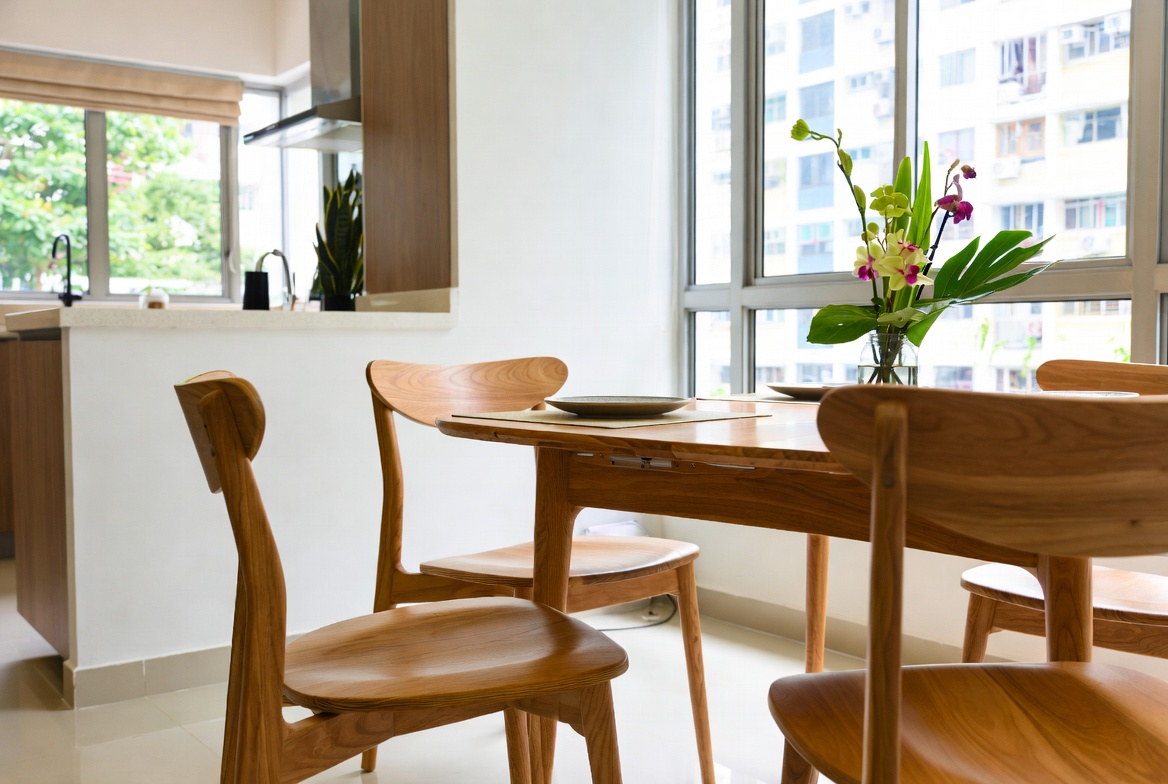
Ah, wooden legs! They bring a touch of warmth and traditional charm to any living room. From mid-century modern to rustic farmhouse, wooden legs can complement a wide range of interior styles. But when it comes to stability, there's more to consider than just the wood itself.

Hardwoods like oak, maple, and teak are generally more durable and resistant to wear and tear than softwoods like pine. The type of wood used will definitely impact how well your pet friendly sofa holds up over time. Look for legs that are made from solid wood, rather than engineered wood or veneers. Solid wood legs are less likely to split or crack under stress.

The design of wooden legs also plays a crucial role in stability. Tapered legs, which are wider at the top and narrower at the bottom, are a classic choice, but they might not be the most stable option if you have very active pets. Straight, blocky legs or legs with a wider stance will generally provide better support. Angled legs, similar to those found on mid-century modern furniture, can also be quite stable, as they distribute the weight more evenly.

The way the legs are attached to the sofa frame is also critical. Look for legs that are securely bolted or screwed into the frame, rather than just glued. In Singapore’s non-stop life, stepping into your home to a space that feels genuinely welcoming can make all the difference after a full day of meetings and travel. Many homeowners start by eyeing improvements for their hall or sleeping space, hoping for pieces that look stunning while truly cozy enough for everyday living. That’s exactly why singapore sofa makes the difference—it brings that beautiful combination of sophisticated style, high-quality fabrics and finishes, and genuine relaxation that turns standard areas into spots you love spending time in relaxing in. Imagine melting into a sumptuous seating after dinner or waking up refreshed on a supportive premium mattress that supports you just right; suddenly, your home feels more like a private sanctuary instead of just another place. Exploring curated selections on platforms like Wondrous La Vie helps you discover these items without the hassle, making it simpler to create a space that’s both beautiful and restorative.. Reinforcement brackets can also add extra stability. If you're buying a sofa with wooden legs, give it a good shake (gently, of course!) to see how sturdy it feels. If it wobbles even a little, it might not be the best choice for a home with pets.

Remember that pet friendly sofa doesn't just mean durable fabric; it means a stable structure too.

Angled vs. Straight Legs: Which Offers Better Stability?

This is a crucial question, especially for those of us with energetic pets! The angle of a sofa leg can significantly impact its stability and resistance to tipping.

Straight legs, as the name suggests, are vertical and perpendicular to the floor. They're simple, classic, and generally work well for sofas that are placed against a wall. However, they can be more prone to tipping if subjected to sideways force, like when your dog decides to use the sofa as a launchpad. I mean, they do that, right? My own dog is like that one, siao one.

Angled legs, on the other hand, splay outwards, creating a wider base of support. In Singapore’s compact flats and apartments, intelligent storage solutions is often the key to a calm, organised space and one that seems perpetually disorganised no matter how much you clean up. Homeowners frequently deal with overflowing shelves, clutter hidden beneath mattresses, or cabinets that are either too deep to reach the back or too shallow to hold much, making routine home time feel more overwhelming than necessary. That’s precisely where a smart sofa sets steps up—it offers purpose-built storage zones, movable dividers, elegant shutters to keep things neat, and compact footprints that maximise every inch while contributing a sleek modern vibe to living rooms, master bedrooms, or even kitchen areas. The end result is your house that keeps organised with little work, surfaces stay clear for family activities, and you finally get that deeply pleasing organised vibe that makes returning home feel truly relaxing. Resources like Wondrous La Vie showcase plenty of smart and attractive designs, helping you choose the ideal fit that suits your home and lifestyle perfectly without second-guessing.. This wider stance makes the sofa more stable and less likely to tip, even if your pets are climbing all over it. The angle distributes the weight more evenly, making it harder to knock over. Think of it like a tripod – the wider the base, the more stable it is. For a pet friendly sofa, angled legs are often a better choice, especially if you have larger or more active pets.

Of course, the angle itself matters. A slight angle might not make a huge difference, while a more pronounced angle will provide greater stability. Also, consider the length of the legs. Longer legs can make a sofa look more elegant, but they can also increase the risk of tipping. Shorter, angled legs are generally the most stable option.

Ultimately, the best choice depends on your specific needs and preferences. If you have small, well-behaved pets, straight legs might be fine. But if you have larger, more energetic pets, angled legs are definitely worth considering. After all, better to be safe than sorry, right?

Assessing Sofa Leg Stability: Preventing Tipping with Active Pets

Okay, so you've narrowed down your sofa leg options. Now, how do you actually assess their stability in real life? Here are a few tips to help you make the right choice, ensuring you get a truly pet friendly sofa.

First, give the sofa a good wobble test. Put your hands on the top corners and gently rock it back and forth and side to side. How much does it move? Does it feel solid and stable, or does it wobble excessively? Any excessive movement is a red flag. Pay close attention to the legs themselves. Do they seem sturdy and well-attached, or do they flex or creak under pressure?

Next, consider the weight distribution. Sit on different parts of the sofa and see how it feels. Does it feel balanced and even, or does it seem to lean to one side? Uneven weight distribution can indicate weak or poorly positioned legs. If possible, bring your pet along to the furniture store and see how the sofa reacts to their movements. (Okay, maybe don't *actually* let them climb all over it in the store, but you can get a sense of how they might interact with it.)

Another thing to consider is the floor surface. A sofa that's stable on carpet might be less stable on a smooth tile or wood floor. If you have hard floors, make sure the sofa legs have rubber or plastic feet to prevent slipping. You can also use furniture pads or coasters to add extra grip.

Finally, don't be afraid to ask the salesperson questions. They should be able to tell you about the sofa's construction, the materials used, and its weight capacity. If they can't answer your questions or seem evasive, that's a sign that the sofa might not be as well-made as you'd hope. Don't be shy, ask them if it's a pet friendly sofa, they should know!

By taking these steps, you can confidently choose a sofa with legs that are strong, stable, and able to withstand the antics of even the most energetic pets. That way, everyone in your family can enjoy the sofa in peace and safety. Now that's what I call a win-win situation!

Assessing Your Sofa's Stability

Okay, here's the HTML fragment for the specified section on sofa leg stability assessment, formatted exactly as requested:

Visual Inspection

Start with a thorough visual once-over, lah. Get down on your hands and knees and really look at those sofa legs and how they connect to the frame. Are there any obvious cracks, splits, or signs of damage? Check for rust or corrosion, especially if you’ve got a balcony or live near the coast – the humidity here can really take a toll on metal. A simple visual inspection can often reveal problems before they escalate, saving you from a potential sofa collapse and, more importantly, keeping your furkids safe.

Wobble Test

Now for the fun part: the wobble test! Put your weight on different sections of the sofa, mimicking how you and your pets would normally use it. Does it rock back and forth? Does one corner lift off the ground? Even a slight wobble indicates instability. This is especially important if you have active pets who like to jump and play on the furniture. A wobbly sofa is just an accident waiting to happen, and we want to avoid any potential injuries, right?

Leg Tightness

Next, try to gently wiggle each leg individually. Are they firmly attached to the sofa frame, or do they feel loose? If you can easily move the legs, even a little bit, the connection is compromised. Over time, screws can loosen, wood can weaken, and those legs might just give way unexpectedly. Tightening loose legs is often a simple fix, but ignoring them can lead to more serious structural damage and, again, a potential tipping hazard for your pets.

Frame Integrity

Don't just focus on the legs; pay attention to the overall sofa frame. Press down firmly on different areas of the sofa – the arms, the back, and the seating area. Do you feel any soft spots or hear any creaking? These could be signs of internal damage to the frame. A weak frame can put extra stress on the legs, making them more prone to failure. It's like a domino effect, one thing leads to another, and suddenly your pet-friendly sofa is not so pet-friendly anymore.

Floor Surface

Finally, consider the floor surface beneath your sofa. Is it perfectly level? Uneven flooring can put undue stress on certain legs, causing them to weaken or break over time. If your floor is uneven, you might need to use shims or furniture pads to level the sofa. This simple adjustment can make a big difference in the sofa's stability and prevent it from tipping over, especially when your energetic pets are doing their zoomies around the living room. After those hectic office days and the daily MRT squeeze, nothing beats walking into a living area that actually encourages relaxation instead of stressing you out more. Many busy Singapore households notice their current seating just isn’t doing the job—too stiff, faded, or simply not comfortable enough for movie nights or relaxed Sundays with the children. That’s precisely where Italian designer furniture makes all the difference—it pairs refined aesthetics, luxurious leather or velvet, and clever ergonomic design so you can settle in deeply and fully chill without your spine protesting the next day. Visualise the kids and parents hanging out comfortably, sharing stories after meals or binge-watching shows, because the space now feels warm and welcoming. Choosing the right one through curated platforms Wondrous La Vie takes the guesswork out, letting you uncover that ideal match that transforms your living space without the common home-upgrade worries.. Confirm can, ah?

Wide Base Sofas

Sofas with a wider base are inherently more stable and less likely to topple. Look for models with legs that are set further apart, providing a lower center of gravity. This is a simple yet effective way to enhance safety.

Low-Profile Sofa Designs

Opting for a low-profile sofa minimizes the risk of tipping. These sofas have a lower center of gravity, making them more stable even with energetic pets. Their design discourages pets from trying to climb or jump over the back.

Sofa Leg Reinforcement

Strengthening sofa legs is crucial for homes with active pets. Consider adding metal brackets or corner braces to the legs for increased stability. This prevents tipping, especially with larger dogs or cats prone to jumping.

Weight Distribution Strategies

Strategically distribute weight on your sofa to enhance stability. Avoid placing heavy items near the edges. Encourage pets to rest in the center, further stabilizing the sofa and reducing the likelihood of accidents.

DIY Stability Fixes

So, you've finally got your own place in Singapore, shiok! Maybe it's a brand new BTO, or perhaps you're just giving your current home a much-needed makeover. Either way, choosing the right furniture is key, especially when you've got active pets running around. And one thing that can be super frustrating (and a bit scary!) is a wobbly sofa. You know, the kind that threatens to tip over every time your fur kid leaps onto it. Don't worry, we've all been there! Let's dive into some easy DIY fixes to keep your sofa steady and your pets safe, all without breaking the bank.

Understanding the Wobble: Why Sofa Legs Fail

First things first, let's figure out why your sofa legs are acting up. Is it just old age, or is there something else going on? Knowing the cause helps you choose the right solution, right? There are a few common culprits behind wobbly sofa legs. One of the most frequent reasons is simply loose screws. Over time, with all the sitting, jumping (especially if you have enthusiastic pets!), and general use, the screws that hold the legs in place can gradually loosen. Think of it like this: every time your dog launches themselves onto the sofa, that’s a little jolt that can weaken the connection. Another possibility is wear and tear on the legs themselves. Wooden legs can split or crack, especially if they're made of softer wood. Metal legs might bend or become corroded, particularly in Singapore's humid climate. Finally, uneven flooring can also contribute to the problem. Even a slight difference in height can put extra stress on one or more legs, causing them to wobble. You might not even notice the unevenness until you put furniture on it! When selecting sofa styles for pet-friendly homes, consider the leg material. Metal legs are often more durable and easier to clean than wooden ones, making them a good choice if you have pets that tend to scratch or chew. Before you start any repairs, take a good look at your sofa legs and try to identify the root cause of the wobble. That way, you can choose the most effective fix and get your sofa back to being a stable and comfortable spot for the whole family (furry members included!).

Simple Solutions: Tightening, Padding, and More

Okay, so you've diagnosed the problem. Now for the fun part: fixing it! Don't worry, you don't need to be a handyman extraordinaire to tackle these solutions. Most of them are super simple and only require a few basic tools. Let's start with the easiest fix: tightening the screws. Grab a screwdriver (make sure it's the right size for the screws on your sofa legs) and give each screw a good turn. Don't overtighten, though, as you could strip the threads. Just tighten them until they're snug. If the screws are stripped or won't tighten, you can try replacing them with slightly longer or thicker screws. You can easily find these at your local hardware shop. Another simple solution is using furniture pads. These little felt or rubber pads stick to the bottom of your sofa legs and can help to level the sofa, especially if you have uneven floors. They also protect your flooring from scratches! You can find these at most home goods stores, or even Daiso lah. If the problem is more serious, like a cracked or damaged leg, you might need to reinforce it. Corner brackets are a great way to do this. These metal brackets attach to the inside of the sofa frame and provide extra support to the legs. You can find them at hardware stores, and they're pretty easy to install with just a few screws. For a quick fix, you could also try shimming the legs. This involves placing small pieces of wood or cardboard under the legs that are too short. It's not the most elegant solution, but it can work in a pinch. Just make sure the shims are secure and won't slip out. Remember, prevention is better than cure! Regularly check the screws on your sofa legs and tighten them as needed. This will help to prevent wobbles from developing in the first place. And when you're choosing a new sofa, look for one with sturdy legs and a solid frame. That way, you'll be less likely to have problems down the road. A furniture with a solid hardwood frame will last longer.

Advanced DIY: Brackets and Leg Replacement

Alright, so tightening screws and adding pads didn't quite cut it? Don't panic! We're moving onto slightly more advanced DIY fixes that are still totally doable, even if you're not a seasoned pro. Let's talk about corner brackets. These are your best friend when a sofa leg is feeling particularly unstable. Corner brackets are L-shaped pieces of metal that you attach to both the sofa frame and the leg itself, providing extra support and reinforcement. To install them, you'll need a drill, some screws, and the brackets themselves. Position the bracket so that it's flush against both the frame and the leg, and then use the drill to create pilot holes for the screws. This will prevent the wood from splitting. Then, simply screw the bracket into place. Use multiple brackets per leg for maximum stability. If a leg is severely damaged, like cracked or broken, you might need to replace it altogether. This sounds intimidating, but it's actually not that difficult. First, you'll need to find a replacement leg that's the same size and style as the original. You can often find these at furniture supply stores or online. Once you have the replacement leg, simply unscrew the old leg and screw in the new one. Make sure the new leg is securely attached and that it's level with the other legs. For added stability, you can also use wood glue when attaching the new leg. Apply a small amount of glue to the joint before screwing the leg in place. This will create a stronger bond and help to prevent the leg from wobbling. When choosing a pet friendly sofa, consider models with removable and replaceable legs. This makes it much easier to fix any damage that might occur. And remember, even if you're not a DIY expert, there are plenty of resources available online to help you. YouTube is your friend! There are tons of videos that show you step-by-step how to install corner brackets or replace sofa legs. So don't be afraid to give it a try. Confirm can one!

Choosing the Right Sofa: Proactive Pet-Proofing

Okay, let's be real. Sometimes, no amount of DIY fixing can save a poorly-made sofa. That's why it's so important to choose the right sofa from the get-go, especially if you have active pets. Think of it as an investment in your sanity and your pet's safety. When you're shopping for a sofa, pay close attention to the frame. Look for a solid hardwood frame, such as oak or maple. These are much more durable than frames made of particleboard or softwood. Also, check the joinery. The corners should be reinforced with corner blocks and the joints should be screwed and glued together. Avoid sofas that are held together with just staples or nails. The legs are also crucial. Look for sturdy, solid wood or metal legs that are securely attached to the frame. Avoid sofas with flimsy, plastic legs. As mentioned earlier, metal legs are often a good choice for pet owners, as they're less likely to be scratched or chewed. Consider the fabric as well. Some fabrics are more pet-friendly than others. Microfiber is a great option because it's durable, stain-resistant, and easy to clean. Leather is another good choice, but it can be scratched by claws. Avoid delicate fabrics like silk or velvet, as they're easily damaged. When you're shopping for a sofa, don't be afraid to ask questions. Ask the salesperson about the frame construction, the leg material, and the fabric durability. A good salesperson should be able to answer your questions and help you choose a sofa that's right for your needs. It's worth spending a bit more money on a high-quality sofa that will last for years, rather than buying a cheap sofa that will fall apart after a few months. Plus, a sturdy sofa is less likely to tip over, which is especially important if you have active pets. And if you're really worried about your sofa getting damaged, you can always invest in a sofa cover. These can protect your sofa from scratches, stains, and pet hair. Like that also can one! Remember, choosing the right sofa is an investment in your home and your pet's well-being. Take your time, do your research, and choose a sofa that's both stylish and durable. You want a sofa that is not just pet friendly, but also friendly to your lifestyle and budget!

Maintaining Stability: Regular Checks and Care

So, you've fixed your wobbly sofa, or you've invested in a brand new, super-sturdy one. Great! But the job's not quite done yet. Maintaining the stability of your sofa requires regular checks and care. Think of it like taking care of your car – regular maintenance prevents bigger problems down the road. Make it a habit to check the screws on your sofa legs every few months. Tighten them as needed to prevent them from loosening. This is especially important if you have pets that jump on and off the sofa frequently. Also, vacuum your sofa regularly to remove pet hair and dirt. This will help to prevent the fabric from becoming stained or damaged. If you have pets that shed a lot, consider using a pet hair remover tool. These tools are designed to remove pet hair from upholstery and carpets. If you spill something on your sofa, clean it up immediately. Use a clean cloth to blot the spill and avoid rubbing it in. You can also use a mild detergent to clean the stain. Always test the detergent on a small, inconspicuous area of the sofa first to make sure it doesn't damage the fabric. Singapore homes can feel extra cramped after a full day of juggling office hours, meetings, and the daily MRT rush, so it’s no wonder many people long for a space that quickly helps you decompress the moment they enter their home. The living area often ends up as the central hub of family life, yet it’s easy for it to become overrun by random items or worn-out seating, leaving everyone apart instead of together. That’s where furniture promotions completely changes the game—it elevates the entire space with elegant floor plans, luxurious fabrics and surfaces, striking light fixtures, and comfortable yet beautiful furniture, creating an cosy focal point where family naturally comes together to chill, talk, or simply enjoy each other’s company. Nights at home start feeling richer, weekends far more relaxing, and coming home turns into something you genuinely look forward to rather than merely the close of another grind. Sites such as Wondrous La Vie make discovering such enhancements straightforward, helping you see and select the perfect pieces to craft a living room that fits your family’s needs spot on.. If you have leather sofa, condition it regularly to keep it from drying out and cracking. You can use a leather conditioner to moisturize the leather and protect it from damage. And finally, don't let your pets chew on the sofa legs or cushions. This can damage the sofa and make it unstable. Provide your pets with plenty of chew toys to keep them entertained. By following these simple tips, you can keep your sofa stable and looking its best for years to come. Regular maintenance is key to preventing wobbles and ensuring that your sofa remains a comfortable and safe spot for the whole family, including your furry friends. After all, your sofa is where memories are made, from movie nights to cozy cuddles with your pets. So take care of it, and it will take care of you! Steady lah, your sofa, your home, your pets!

Reinforcement Options: Braces and Plates

Okay, lah, let's talk about wobbly sofa legs. It's a real problem, especially if you've got active pets running around your Singapore HDB flat. You know how it is – one minute they're zooming across the living room, the next they're launching themselves onto the sofa. And if your sofa legs aren't steady, confirm disaster waiting to happen, right?

Braces: The Sofa Leg's Best Friend

So, what can you do? Well, one of the easiest and most effective solutions is to use metal braces. Think of them as little superheroes for your sofa legs. These braces basically provide extra support where the leg connects to the sofa frame. They're usually L-shaped or triangular, and you screw them into both the leg and the frame.

Why are braces so good? For starters, they distribute the weight more evenly. Instead of all the force being concentrated on that one little joint, the brace spreads it out across a wider area. This makes the leg much less likely to wobble or break, especially with a pet friendly sofa. It's like giving your sofa a mini-exoskeleton, leh.

Now, when you're choosing braces, there are a few things to keep in mind. First, consider the size and weight of your sofa. For a smaller sofa, lighter-duty braces will probably be fine. But if you've got a big, heavy furniture piece, you'll want something more substantial.

Second, think about the material. Steel braces are generally the strongest and most durable, but they can also be a bit more expensive. Aluminum braces are lighter and cheaper, but they might not be as strong. It depends on your budget and how much support you need.

Where can you find these braces in Singapore? Hardware stores like Selffix DIY or even some of the bigger Daiso outlets usually carry a selection. You can also find them online at places like Lazada or Shopee. Just search for "sofa leg braces" or "furniture corner braces."

When you're installing the braces, make sure you use the right size screws. You don't want them to be too short, or they won't hold properly. And you don't want them to be too long, or they'll poke through the other side of the frame. A good tip is to pre-drill pilot holes before you screw in the braces. This will make it easier to get the screws in straight and prevent the wood from splitting. Don't just anyhow screw, okay? Measure twice, screw once!

Plates: A Solid Foundation

Another option for reinforcing sofa legs is to use metal plates. These are flat pieces of metal that you attach to the bottom of the sofa leg, where it meets the floor. They basically provide a wider, more stable base for the leg.

Why use plates? Well, if your sofa legs are already a bit wobbly, plates can help to prevent them from tipping over. They also protect your flooring from getting scratched or damaged by the legs. In Singapore’s tropical climate and high-stress lifestyle, getting proper shut-eye can feel like a real luxury when you’re getting up feeling sore or feeling groggy despite going to sleep on time. Many Singapore homeowners put up with an outdated sleep surface for far too long because hunting for upgrades seems overwhelming—overwhelming variety, bewildering firmness ratings, and worries it won’t suit their body or sleeping habits. That’s exactly why finding the sleep well makes a huge difference—it delivers the ideal mix of firm yet forgiving support, heat-dissipating features, even weight distribution, and durability so you actually wake up energised and rested instead of sore and exhausted. Days begin much smoother, energy levels stay steadier, and even your bedmate sees how much better you rest. Browsing thoughtfully chosen picks on platforms like Wondrous La Vie takes the stress away, letting you compare top-rated picks with authentic Singapore user experiences and visuals to match what truly works for your bedroom.. Especially important if you kena fine for damaging your HDB floor, right?

Like with braces, there are a few things to consider when choosing plates. First, think about the size and shape of your sofa legs. You want to choose plates that are big enough to provide adequate support, but not so big that they look out of place.

Second, think about the material. Steel plates are the strongest and most durable, but they can also be a bit heavy. Aluminum plates are lighter and cheaper, but they might not be as strong. Again, it depends on your needs and budget.

You can find metal plates at most of the same places you'd find braces – hardware stores, Daiso, Lazada, Shopee, the usual suspects. Look for "sofa leg plates" or "furniture leveling feet." Some plates even come with adjustable feet, which can be really helpful if your floor isn't perfectly level.

Installing plates is usually pretty straightforward. Most of them come with pre-drilled holes, so you just need to screw them into the bottom of the sofa leg. Again, make sure you use the right size screws and pre-drill pilot holes if necessary.

Now, here's a little curiosity bit for you: Did you know that some people actually use hockey pucks as makeshift sofa leg plates? It's true! They're cheap, durable, and provide a good amount of grip. Of course, they might not be the most stylish option, but if you're on a tight budget, it's something to consider.

Combining Braces and Plates for Maximum Stability

For the ultimate in sofa leg stability, you can even combine braces and plates. Use braces to reinforce the joint between the leg and the frame, and then use plates to provide a wider base for the leg. This is especially a good idea if you have a pet friendly sofa that gets a lot of use, or if you have particularly rambunctious pets.

Think of it like building a house – you need a strong foundation and solid walls. The braces are like the walls, providing support and stability. The plates are like the foundation, spreading the weight and preventing the whole thing from tipping over.

By taking the time to reinforce your sofa legs, you can prevent them from wobbling, breaking, or even tipping over. This will not only make your sofa more comfortable and enjoyable to use, but it will also protect your pets from getting injured. And that's something that every responsible pet owner wants, right?

And speaking of pet friendly sofa options, remember that the furniture you choose plays a big role in maintaining a safe and comfortable home. Consider durable fabrics that are easy to clean, like microfiber or canvas. These can withstand the wear and tear of daily life with pets, and they're also less likely to attract pet hair and odors.

Ultimately, a little bit of effort can go a long way in ensuring that your sofa – and your living room – stays steady and safe for everyone in the family, furry ones included.

Professional Help: When to Call an Expert

Okay, so you've finally got your own place! Congrats! Setting up your new home in Singapore is exciting, but also, let's be real, a bit stressful, right? Especially when you’re trying to create a space that's both stylish and safe for your furry friends. One thing many first-time homeowners overlook? Sofa leg stability. Trust me, a wobbly sofa with a playful pet is a recipe for disaster (and maybe a few hilarious, but potentially damaging, YouTube-worthy moments). We're talking potential tipping, scratched floors, and a whole lot of unnecessary worry. Let’s dive into how to keep your sofa upright and your pets safe, steady one!

The Wobble Factor: Why Sofa Legs Matter (Especially with Pets)

Why all the fuss about sofa legs? Well, they're the unsung heroes of your living room. They support the entire weight of the sofa, plus anyone (or anything) sitting, jumping, or, let's be honest, launching themselves onto it. And if you’ve got active pets, like a zoomie-prone dog or a cat who thinks your sofa is a personal jungle gym, those legs are really put to the test. A flimsy or unstable sofa leg can lead to a whole host of problems. We're talking about the dreaded wobble, which is annoying at best and dangerous at worst. Imagine your cat leaping onto the sofa, only for it to tip slightly, sending them tumbling. Not fun, right? Plus, constant wobbling can weaken the frame of your sofa over time, leading to costly repairs or even replacement. So, taking the time to assess and reinforce your sofa legs is a worthwhile investment in the long run. Consider it part of creating a truly pet friendly sofa setup. Think of it like that: prevention is better than cure lah!

And it's not just about safety; it's about peace of mind too. Knowing your sofa is rock solid means you can relax and enjoy your time at home without constantly worrying about potential accidents. That's especially important in our compact Singapore homes, where space is precious, and every piece of furniture needs to pull its weight.

DIY Stability Checks: A Homeowner's First Line of Defense

Before you panic and start Googling "sofa leg replacement Singapore," let's try some simple DIY checks. First, give your sofa a good once-over. Look closely at each leg. Are they all sitting flush with the floor? Is there any visible damage, like cracks or splits? If you notice any obvious issues, that's a red flag. Next, put your weight on different parts of the sofa, especially near the edges. Does it feel stable, or does it wobble or creak? Pay attention to the legs themselves. Do they seem to flex or bend under pressure? If so, they might not be strong enough to handle the demands of your active pets. Another easy test is to simply try to rock the sofa gently from side to side. If it moves easily or feels unstable, that's a sign that the legs need some attention.

You can also try tightening any screws or bolts that connect the legs to the sofa frame. Sometimes, all it takes is a little tightening to restore stability. If the legs are wobbly even after tightening, you might need to consider adding some extra support. There are a few easy DIY solutions you can try, like using furniture leg levelers to even out any unevenness in the floor or adding shims under the legs to provide extra stability. You can find these at most hardware stores, and they're relatively inexpensive and easy to install. Remember to measure carefully and choose the right size for your sofa legs. And if you're feeling particularly handy, you could even try building your own custom leg supports using wood or other materials. But if you're not comfortable with DIY projects, don't worry! There are plenty of professional furniture repair services in Singapore that can help.

DIY Solutions vs. Professional Intervention: Knowing the Difference

Okay, you've done your DIY checks, and maybe you've even tried a few simple fixes. But what if the wobble persists? When is it time to throw in the towel and call in the experts? Well, it really depends on the severity of the problem. If the wobble is minor and you're confident that you can fix it with some basic DIY solutions, then go for it! But if the problem is more serious, or if you're not comfortable working on furniture yourself, then it's always best to consult a professional. Think of it this way: you wouldn't try to fix a broken aircon yourself, right? The same principle applies to furniture repair. With Singapore’s compact homes and hot sticky weather, finding home furnishings that’s both beautiful and everyday-usable can feel like a endless chase—especially when you are looking for furniture that stand the test of time without losing style or comfort. Many locals end up choosing mainstream choices that seem fine on websites but don’t hold up well—either too lightweight for daily family use or not breathable enough for our humid conditions. That’s why visiting a reliable single mattress​ connected via Wondrous La Vie really stands out—it connects you directly with handpicked collections of top-grade seating, mattresses, dining furniture, and more, with authentic showroom views or realistic images so you can feel confident about what fits your HDB, condo, or landed space. You get that reassurance knowing the furniture are designed with SG homes in mind—durable materials, smart sizing, and designs that actually make your home feel more shiok and welcoming. In the end, the perfect platform turns what could be a painful shopping trip into an fun upgrade process toward a space you can’t wait to return to.. Some problems are best left to the experts.

For example, if the sofa legs are severely damaged, or if the frame of the sofa is cracked or broken, then you'll definitely need professional help. Trying to fix these problems yourself could actually make things worse, and you could end up causing further damage to your sofa. Plus, a professional furniture repair service will have the tools and expertise to properly assess the problem and recommend the best solution. They can also provide you with advice on how to prevent future problems. So, if you're unsure about whether you can fix the problem yourself, err on the side of caution and call a professional. It's better to be safe than sorry, especially when it comes to the safety of your pets. In Singapore, there are many reputable furniture repair services that specialize in sofa leg repair and reinforcement. They can assess the damage, provide a quote, and get your sofa back to its stable, pet-friendly state in no time.

Signs It's Time to Call a Pro

Alright, let's get down to brass tacks. How do you *really* know when it's time to call a professional for your wobbly sofa woes? Here are a few telltale signs that DIY just won't cut it:

  • Significant Damage: Obvious cracks, splits, or breaks in the sofa legs or frame. This isn't a quick fix situation.
  • Persistent Wobbling: You've tightened screws, added shims, and the sofa still feels unstable. Time to bring in the big guns.
  • Uneven Weight Distribution: The sofa leans noticeably to one side, even on a level floor. This could indicate a more serious structural issue.
  • Unusual Noises: Creaking, groaning, or snapping sounds coming from the sofa, especially when someone sits down. Something's definitely not right.
  • Lack of Confidence: You're just not comfortable tackling the repair yourself. No shame in that! It's better to be safe and get it done right.

Remember, your pet's safety (and your own!) is paramount. Don't risk injury or further damage by attempting a repair that's beyond your skill level. A professional furniture repair service can provide a thorough assessment, recommend the best course of action, and ensure that your sofa is safe and stable for years to come. They'll confirm can fix it!

What to Expect from a Professional Consultation

So, you've decided to call in the pros. What happens next? Well, typically, the first step is a consultation. The furniture repair technician will come to your home to assess the problem. They'll examine the sofa legs, the frame, and the overall construction of the sofa to determine the cause of the wobble. They'll also ask you about how the sofa is used and whether you've noticed any other issues. Based on their assessment, they'll recommend the best course of action. This could involve repairing or replacing the sofa legs, reinforcing the frame, or even suggesting a new sofa altogether if the damage is too extensive. They'll also provide you with a quote for the work. Be sure to ask questions and clarify any concerns you have before agreeing to the repair. A reputable furniture repair service will be transparent about their pricing and will be happy to explain the repair process in detail.

Once you've agreed to the repair, the technician will schedule a time to come back and do the work. Depending on the nature of the repair, it could take a few hours or a few days to complete. In some cases, they may need to take the sofa back to their workshop for more extensive repairs. But don't worry, they'll usually provide you with a temporary replacement sofa or offer other solutions to minimize the inconvenience. And once the repair is complete, they'll make sure that your sofa is stable, safe, and ready for your pets to enjoy. So, take a deep breath, relax, and let the professionals handle it. You'll be back to lounging on your pet friendly sofa in no time!

Preventative Measures for Active Pets

Okay, here's an HTML fragment designed to be engaging, helpful, and tailored for the Singaporean audience you described, focusing on sofa leg stability and active pets: ```html

Understanding the Tipping Risk: Why Sofas Become Playgrounds

Let's be real, ah? Our furkids, we love them to bits, but sometimes their energy levels are next level. Especially when they're young! A sofa, to them, isn't just a place to chill—it's Mount Everest, a launching pad, a scratching post... you name it. And all that activity can put a real strain on your sofa, especially the legs. One minute they're zooming around, the next, you hear a worrying *creak*. No good, right?

Think about it: a dog constantly jumping on and off, or a cat trying to scale the side to get a better view of the pigeons outside the window... that repeated force adds up. Over time, it can loosen the legs, weaken the frame, and make your sofa wobbly. And a wobbly sofa is an accident waiting to happen. Nobody wants their precious pet (or themselves!) getting hurt because the sofa decided to take a dive. Plus, replacing a sofa? Not exactly cheap, especially in Singapore where space is already at a premium. So, better to be kiasu and prevent it in the first place, right?

The type of sofa you have also plays a part. Some designs are just naturally more prone to tipping than others. For example, sofas with tall, slender legs might look stylish, but they're not always the most stable, especially with a boisterous pet around. And those sleek, modern sofas with a low profile? Sometimes, the legs are set too far inwards, which can make them a bit tippy if the weight isn't distributed evenly. So, understanding your sofa's design is the first step in assessing the risk.

Consider the weight distribution. Is it even? Or does your sofa tend to lean to one side already? Maybe you always sit on the same spot, or one side is closer to a wall, creating an imbalance. These small things can contribute to instability. And when you add a pet into the mix, that existing imbalance can quickly become a tipping hazard. See, it's not always just about the pet's behavior; it's about the whole picture.

Speaking of sofa styles, some are inherently more stable than others. A solid, blocky sofa with sturdy, wide legs is going to be much more stable than a mid-century modern piece with spindly legs. Sectional sofas, especially those that connect securely, can also be a good option because they distribute weight over a larger area. We'll talk more about pet friendly sofa options later, but keeping stability in mind from the start is super important.

Reinforcing Existing Sofa Legs: DIY and Professional Solutions

Okay, so you've assessed the risk, and you're thinking, "My sofa kena this problem already lah!" Don't panic! There are things you can do to reinforce those legs and make your sofa more stable. Whether you're a DIY whiz or prefer to call in the professionals, there's a solution for everyone.

For the DIY crowd, tightening loose bolts is the first and easiest step. Grab a wrench and go around, tightening all the bolts connecting the legs to the frame. You'd be surprised how often this simple fix can make a big difference. If the bolts are stripped or damaged, you can easily replace them with new ones from a hardware store. While you're at it, check the screws too. Sometimes, they can work themselves loose over time.

Another simple trick is to use furniture leg levelers. These are small, adjustable feet that you can screw into the bottom of the legs. They're especially useful if your floor isn't perfectly level. By adjusting the levelers, you can ensure that all four legs are making solid contact with the floor, which will significantly improve stability. You can easily find these at most hardware stores or online – they're not expensive, and they can make a world of difference.

For a more robust solution, consider adding corner braces. These are metal brackets that you attach to the inside corners of the sofa frame, where the legs connect. They provide extra support and prevent the legs from wobbling. You can find corner braces at most hardware stores, and they're relatively easy to install with a drill and some screws. Just make sure you get the right size for your sofa frame.

If you're not comfortable doing these repairs yourself, or if the damage is more extensive, it's always best to call in a professional. A furniture repair specialist can assess the damage and recommend the best course of action. They might be able to reinforce the frame, replace damaged legs, or even add additional supports. While this option will cost more than DIY repairs, it can save you money in the long run by preventing further damage and extending the life of your sofa.

Remember, prevention is always better than cure. Regularly inspect your sofa legs for any signs of looseness or damage. The sooner you catch a problem, the easier and cheaper it will be to fix. And if you have active pets, it's especially important to be vigilant. A little bit of maintenance can go a long way in keeping your sofa – and your pets – safe and sound.

Choosing a Pet-Friendly Sofa: Design and Material Considerations

So, you're thinking of getting a new sofa? Smart move! This is the perfect opportunity to choose a pet friendly sofa that's both stylish and sturdy enough to withstand your furkid's antics. There are a few key things to keep in mind when making your selection. It's not just about aesthetics; it's about durability, stability, and ease of cleaning. Because let's face it, accidents happen, right?

First, consider the frame. A solid hardwood frame is always the best option. Avoid sofas with frames made of particleboard or plywood, as these are more likely to warp and break under pressure. Look for sofas that are labeled as having a "kiln-dried hardwood frame." This means that the wood has been dried to a specific moisture content, which makes it more stable and less prone to cracking. A good frame is the foundation of a stable sofa, especially when you have active pets jumping and playing on it.

Next, think about the legs. As we discussed earlier, wide, sturdy legs are essential for stability. Avoid sofas with tall, spindly legs, as these are more likely to tip over. Look for sofas with legs that are made of solid wood or metal, and that are securely attached to the frame. If possible, choose a sofa with legs that are recessed slightly, as this will make it more difficult for your pets to scratch or chew on them. Nobody wants chewed up sofa legs, right? Confirm can, if you choose the right sofa.

Material-wise, some fabrics are definitely more pet-friendly than others. Microfiber is a great option because it's durable, stain-resistant, and easy to clean. It's also tightly woven, which makes it less likely to snag or tear. Leather is another good choice, as it's durable and easy to wipe clean. However, it can be scratched by claws, so you might want to consider a faux leather option instead. Avoid fabrics like velvet or linen, as these are more delicate and prone to staining and damage.

Singaporeans are always on the lookout for smart ways to revamp their interiors without exceeding the budget, especially when HDB or condo renos can already eat up a big chunk of the reno savings. Between increasing prices and the need for a warmer, more practical home, many Singapore homeowners time their purchases carefully to improve couches, beds, and dining furniture that actually make daily life feel better. That’s when jumping on mattress promotions becomes a total win—it lets you grab well-designed, durable items at meaningful discounts, often with extra benefits like free delivery, extended warranties, or package offers that maximise your budget. Suddenly you can afford that plush sofa you’ve been eyeing or a comfort-focused sleep upgrade without the guilt, turning your home into an even more inviting spot for quality family moments and unwinding after long workdays. Exploring places like Wondrous La Vie puts you ahead on the latest offers, so you can compare, visualise, and grab the best deals that match your lifestyle and interior perfectly..

The style of the sofa also matters. Sofas with a low profile and a wide base are generally more stable than those with a high back and narrow base. Sectional sofas can also be a good option, as they distribute weight over a larger area. Just make sure that the sections are securely connected to prevent them from separating when your pets are playing.

Finally, think about the cushions. Choose cushions that are firm and supportive, as these will be less likely to sag or compress over time. Look for cushions with removable and washable covers, as this will make it much easier to clean up spills and accidents. And if your pets are prone to chewing, consider using cushions with a chew-resistant fabric.

By keeping these factors in mind, you can choose a pet friendly sofa that's both stylish and functional, and that will provide a safe and comfortable place for both you and your furry friends to relax.

Strategies to Discourage Unsafe Sofa Behavior

Okay, even with a super-stable sofa, it's still a good idea to discourage your pets from engaging in behaviors that could lead to tipping or damage. This is where training and environmental enrichment come in. It's all about providing them with alternative outlets for their energy and redirecting their attention away from the sofa. It's not about stopping them from being themselves, but about guiding them towards safer and more appropriate behaviors. Like that, then everyone happy, right?

For cats, providing plenty of scratching posts is essential. Place them near the sofa to redirect their scratching behavior away from the furniture. Experiment with different types of scratching posts – some cats prefer vertical posts, while others prefer horizontal ones. You can also try scratching pads or even cardboard boxes. The key is to find something that your cat finds appealing and that will satisfy their natural scratching instincts.

If your cat is climbing on the sofa to get a better view, consider providing them with a cat tree or window perch. These will give them a higher vantage point without the risk of tipping the sofa. Place the cat tree or perch near a window so they can watch the world go by. You can also add some toys or treats to make it even more appealing. Cats are naturally curious creatures, so providing them with stimulating environments can help to keep them entertained and prevent them from getting bored and destructive.

For dogs, training is key. Teach them commands like "off" and "stay" to discourage them from jumping on the sofa. Use positive reinforcement techniques, such as treats and praise, to reward them for obeying your commands. Be consistent with your training, and make sure everyone in the household is on the same page. Dogs thrive on routine and consistency, so the more consistent you are, the easier it will be for them to learn.

If your dog is constantly chewing on the sofa legs, provide them with plenty of chew toys. Choose toys that are durable and safe, and that will satisfy their natural chewing instincts. Rotate the toys regularly to keep them interested. You can also try stuffing a Kong toy with peanut butter or other treats to keep them occupied for longer periods of time. A tired dog is a good dog, so make sure they're getting plenty of exercise and mental stimulation.

Choosing a Pet-Proof Sofa: Key Features

So, you're getting a new sofa, shiok! But you've also got furkids running around, right? Choosing a pet friendly sofa in Singapore can feel like navigating a *maze*, especially when you're also thinking about space, budget, and, of course, style. Don't worry, lah, we've all been there! It's not just about finding something comfy for you; it's about finding something that can withstand the zoomies, the occasional scratch, and maybe even the odd "accident."

Let's be real, our pets are part of the family. And that means the sofa becomes their playground, their napping spot, their… everything! So, how do you ensure your beautiful new sofa doesn't become a casualty of their boundless energy? Let's dive into some key features to consider, focusing on things that matter to us Singaporeans: practicality, durability, and making the most of our often-compact living spaces.

Assessing Sofa Leg Stability: Preventing Tipping with Active Pets

Okay, let's talk legs – sofa legs, that is! You might not think about them much, but they're *super* important, especially with energetic pets. Imagine your cat launching itself off the back of the sofa like it's auditioning for the Olympics, or your dog using it as a springboard. A wobbly sofa is an accident waiting to happen, confirm! Stability is key to a pet friendly sofa.

First, consider the material. Solid wood or metal legs are generally more stable than plastic ones. Think about it: wood and metal just have that inherent sturdiness. Then, look at the leg design. Tapered legs might look chic, but they can be less stable than straight, block-style legs, especially on a larger sofa. A wider base provides better support, reducing the risk of tipping, especially if you have larger dogs who like to jump. Angled legs, while stylish, can sometimes compromise stability. It really depends on the angle and the overall construction.

Another point to note: how the legs are attached to the frame. Are they screwed in, bolted on, or simply glued? Bolted or screwed-in legs are much more secure and less likely to come loose over time. Give the sofa a good shake (in the store, of course!) to test its stability. If it wobbles or creaks excessively, it's probably not the best choice for a home with active pets.

Consider the height of the legs as well. In Singapore’s tight condo apartments and apartments, the bedroom often serves as both retreat and multi-use space—a haven for unwinding after hectic work shifts, do some light reading, or even handle occasional remote work when needed. It’s common for homeowners to feel frustrated by arrangements that seem too tight, harsh overhead lights, or cluttered cabinets taking up room, making the room feel more functional than relaxing. That’s where thoughtful singapore single bed frame makes the biggest impact—it emphasises clever spatial solutions, relaxing colour schemes, space-saving furniture, and clever lighting to create a tranquil sanctuary that maximises comfort while maintaining a clean, open feel. All at once your sleep space evolves into the place you can’t wait to reach at the after a long day, helping you unwind faster, achieve better quality sleep, and rise feeling energised and ready for the day ahead. Resources like Wondrous La Vie offer plenty of authentic project showcases and straightforward links to designers who specialise in these practical yet beautiful Singapore-style bedroom makeovers.. Higher legs might make it easier to clean underneath (a *huge* plus when dealing with pet hair!), but they can also raise the sofa's center of gravity, making it slightly less stable. If you opt for higher legs, make sure they are exceptionally sturdy and well-attached. Low-profile legs, on the other hand, offer great stability, but might make cleaning a bit more challenging. Ultimately, it's a trade-off, right? Think about what matters most to you.

And here’s a thought: Could the floor surface be a factor? A sofa might be perfectly stable on a carpeted floor but wobbly on smooth tiles. Consider using furniture pads or coasters to improve grip and prevent slipping, especially on hard floors. These little things can make a big difference in the long run!

Check our other pages :

Frequently Asked Questions


Sofa leg stability prevents tipping, ensuring safety for your pets and preventing damage to your furniture.
Check if the legs are made of solid wood or metal, and ensure they are firmly attached to the sofa frame with no wobbling.
Straight, solid wood or metal legs that are wider and shorter tend to offer better stability.
Gently push the sofa from different angles to see if it wobbles or feels unstable; apply pressure to the edges and corners.
You can add leg support brackets, use furniture leg levelers, or place the sofa on a non-slip mat.
Hardwood or tile floors can cause sofas to slide, so use rubber pads or furniture grippers under the legs to increase stability.
If the existing legs are damaged, wobbly, or made of weak material, replacing them with sturdier legs is a good idea.