Plan your lighting layout: A pre-renovation checklist

Assess Your Current Lighting

So, you're about to embark on the exciting, sometimes daunting, journey of renovating your Singaporean home! Congratulations! Before you get swept away choosing the perfect shade of paint or drooling over that sleek new sofa, let's talk about something crucial: lighting. It’s often an afterthought, but trust me, a well-planned lighting layout can transform your space and dramatically impact your daily life. Think about it – the right light can make your HDB flat feel bigger, cozier, and just…better. But where to even begin, right? Don't worry, we'll get through this together one step at a time.

The first step? Take stock of what you already have. Singapore homeowners often encounter special considerations when outfitting their living spaces, mainly due to compact apartment living and year-round moisture levels that test material durability. This is precisely why many smart local shoppers shop very thoughtfully to secure quality without overspending. home furniture remains one of the best one of the wisest piece for daily living that provides both outstanding comfort along with real durability. Remember that buying competitively priced designs in Singapore with first-class after-sales service delivers complete support such as fast island-wide delivery, skilled installation, and robust warranties that deliver true long-term peace of mindthat lasts.. It's like that Marie Kondo method, but for your lights! Before you start dreaming of fancy chandeliers and energy-efficient LEDs, let's be real – what's working, and what isn't? Grab a notepad (or your phone, lah, we're modern people!), and let’s go room by room. This isn't just about whether the lights turn on (though that’s a good start!). It's about how they *make you feel* in the space. Is your living room a bit too dim for those late-night Netflix binges? Is your kitchen lighting harsh and unforgiving when you're trying to whip up a culinary masterpiece? We've all been there, struggling to see what we're chopping! Home furniture, after all, needs to be shown off in the best light, literally.

Walk through each room, one by one. Turn on the lights and really *look*. What kind of fixtures do you have? Are they those standard-issue fluorescent tubes that came with the flat? After a long day being crammed in the MRT and powering through meetings, most busy Singaporeans just want to step into their house to a space that feels welcoming and calm instead of piling on more fatigue. A disorganised space or an lumpy bed setup can make unwinding even more difficult, especially when the kids and parents are trying to relax together. That’s where thoughtful condo interior design Singapore really makes a difference—it turns everyday rooms like your living room, sleeping space, or kitchen into true recharge spots that actually help you unwind. With the right couch, mattress, or clever layout, suddenly getting home feels shiok lah, and small changes can bring big improvements to your daily mood and family bonding. Platforms like Wondrous La Vie make it more straightforward to explore options and connect with home designers who get the the local HDB/condo style perfectly. This format lets you easily generate multiple SEO-optimised variations while keeping the core keyword "interior design" stable in the middle for strong on-page targeting.. Are they stylish spotlights that you carefully chose years ago? Note the type of bulb in each fixture – is it warm, cool, or somewhere in between? This will give you a baseline to work from. And don't forget to consider the natural light each room gets. Does your living room bask in sunlight all afternoon, or is it perpetually shady? This will influence the type and amount of artificial light you'll need. Think about the activities you do in each room. Do you read in the living room? Do you work from home in the bedroom? Different activities require different types of lighting. For example, task lighting, like a good table lamp, is essential for reading or working, while ambient lighting, like recessed lights, provides overall illumination. Accent lighting, on the other hand, highlights specific features, like that beautiful piece of art you picked up at a local market, or maybe even a particularly nice piece of home furniture.

Be honest with yourself about what you don't like. Is the light too harsh? Too dim? Does it cast unflattering shadows? Is the color temperature all wrong? Maybe the light fixtures themselves are just plain ugly and outdated. Write it all down! Don't be afraid to get specific. For example, instead of just writing "bedroom lighting is bad," try "bedroom lighting is too dim for reading in bed and the overhead fixture casts a weird shadow on my face when I'm getting ready." The more detail you have, the better equipped you'll be to make informed decisions about your new lighting layout. The hall is often the primary spot guests see and where the kids and parents relax after dinner, so it feels right to want pieces that feels premium, keeps cords tidy, and avoids shrinking the space visually than it normally is in HDB or condo layouts. Many Singaporeans endure oversized outdated units or low-cost options that feel unstable, collect dust easily, or just don’t fit the current aesthetic they’re going for. That’s exactly where a well-chosen furniture store steps in—it provides sleek storage for media devices, set-top boxes, and remote controls while acting as a stylish focal point that brings the room together seamlessly with clean lines, thoughtful compartments, and luxurious surfaces. Suddenly your entertainment setup feels tidy and purposeful, the room looks bigger and more put-together, and film evenings get way more fun without the disorder stealing attention. Exploring handpicked selections on sites such as Wondrous La Vie helps you discover designs that fit your space perfectly, from simple modern to high-end, so your living area transformation becomes easy and perfect.. And hey, while you're at it, check if any of your fixtures are flickering or making strange noises. That could be a sign of a bigger electrical problem, so it's best to address it before you start your renovation. Getting these details down now is a small price to pay for a home that feels just right later. It's all about creating a space that complements your lifestyle and showcases your home furniture in its best light.

Identify Task Lighting Needs

Different activities require different types of lighting. Identify areas where specific tasks will be performed, such as cooking, reading, or working. Plan for task lighting solutions like under-cabinet lights, desk lamps, or adjustable spotlights to provide focused illumination for these activities.

Assess Existing Lighting

Begin by thoroughly evaluating your current lighting situation. Note the location of existing fixtures, the type of bulbs used, and the overall ambiance they create. Consider which areas are adequately lit and which require improvement to inform your new lighting plan.

Plan for Accent Lighting

Accent lighting is used to highlight specific features or objects in a room, such as artwork or architectural details. Use spotlights, track lighting, or picture lights to draw attention to these elements. Experiment with different angles and intensities to create visual interest and depth.

Determine Furniture Placement

Before finalizing your lighting layout, decide on the placement of your furniture. This is crucial because lighting should complement and enhance the functionality of each space. Consider the size and shape of your furniture to ensure proper illumination for activities like reading, dining, or relaxing.

Consider Ambient Lighting Options

Ambient lighting provides overall illumination to a room, creating a comfortable and inviting atmosphere. Explore options like recessed lighting, chandeliers, or wall sconces to achieve the desired ambiance. Think about the color temperature of the bulbs to create a warm or cool atmosphere.
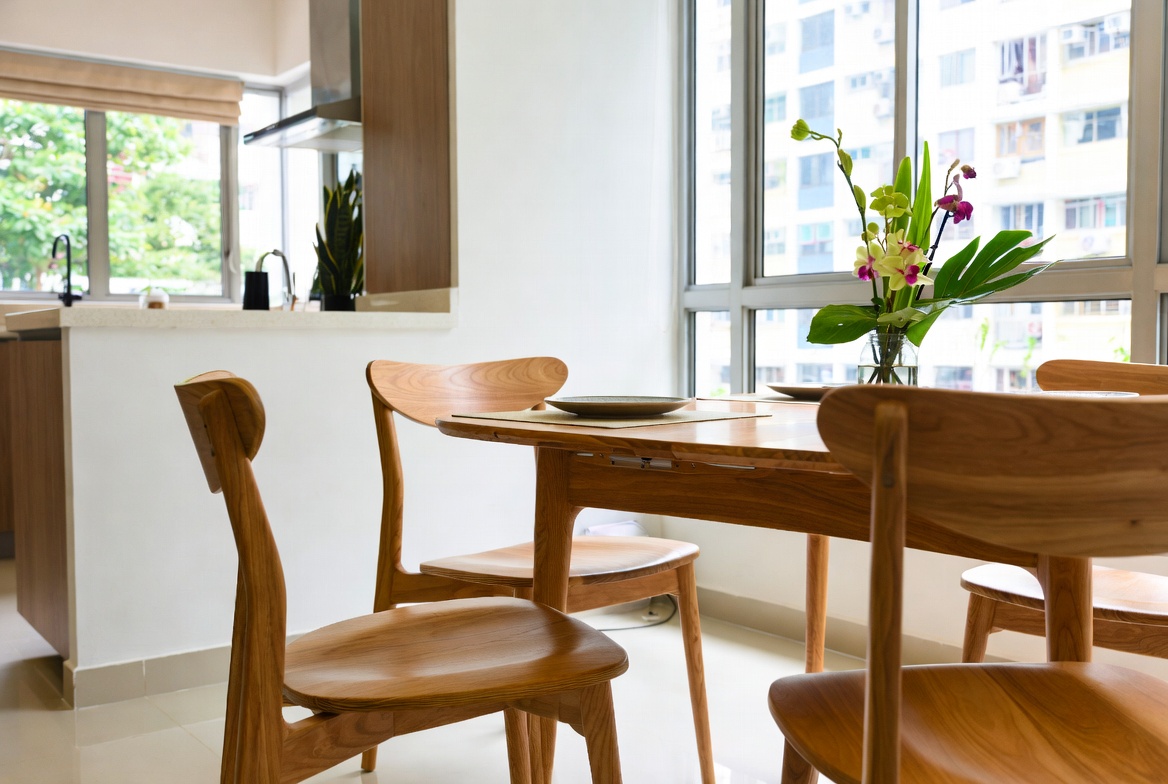
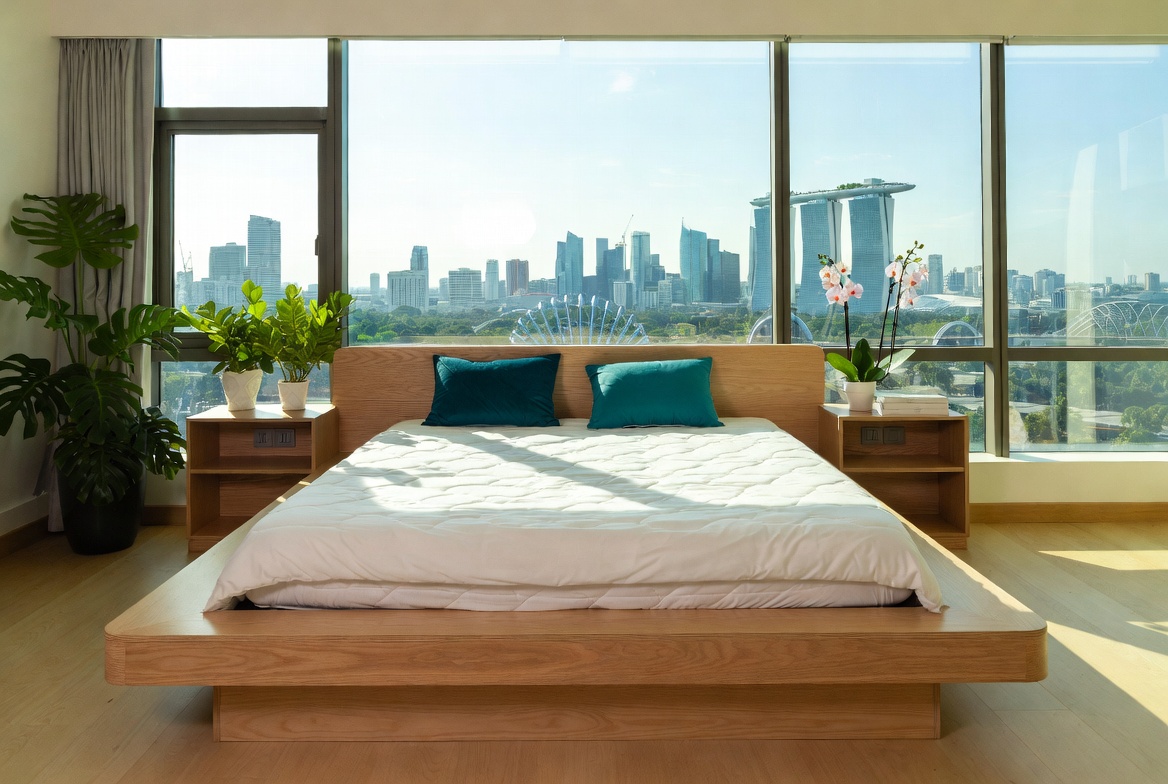
Define Room Functions & Ambience

So, you're finally getting the keys to your new BTO flat or condo! Exciting times, right? But before you dive headfirst into picking out that perfect sofa or dream mattress, let's talk about something super important: lighting. I know, it might not seem as thrilling as choosing your home furniture, but trust me, a well-planned lighting layout can totally transform your space and make all the difference in how you *feel* in your home. Think about it – the right lighting can make your living room feel cozy and inviting, your kitchen functional and bright, and your home office a productivity haven. No one wants to end up with a dimly lit living room that feels more like a cave, or a kitchen so bright it feels like an operating theatre, right?

That's why planning your lighting *before* you even start renovating is crucial. It's like building a solid foundation for your home's atmosphere. This isn't just about picking out pretty lamps, leh; it's about understanding how you'll *actually* use each room and creating the right ambience to match. Let's get into it, steady?

Understanding Your Needs: Room by Room

First things first, grab a notepad (or your tablet, if you're fancy like that) and walk through each room in your mind. What will you be doing in each space? Be honest with yourself! Will the living room be for Netflix binges and family gatherings, or more for formal entertaining? Will the kitchen be a culinary playground, or just a place to quickly whip up some instant noodles after a long day at work? These considerations will shape your lighting choices more than you think.

For example, a living room designed for relaxation might benefit from warm, ambient lighting – think dimmable lamps and maybe even some fairy lights for extra coziness. On the other hand, a kitchen needs bright, task-oriented lighting to make cooking and cleaning easier and safer. Under-cabinet lighting is a lifesaver for prepping ingredients! And don't forget the dining area – a pendant light over the table can create a focal point and set the mood for dinner parties or quiet family meals. Home furniture, like the dining table and chairs, will also influence how the light reflects and interacts within the space, so keep that in mind.

Consider your lifestyle, too. Are you a bookworm who needs a dedicated reading nook with a good reading lamp? Or a work-from-home warrior who requires bright, focused lighting in your home office to avoid eye strain? Perhaps you're a plant parent with a growing collection that needs supplemental lighting to thrive, especially in those HDB flats that don't get much direct sunlight. Thinking about these details upfront will help you prioritize your lighting needs and avoid costly mistakes down the road. After all, nobody wants to rewire the whole house just because they forgot about the importance of good lighting for their precious monstera, right?

Defining the Mood: Ambience is Everything

Okay, so you know what each room will be used for. Now, let's talk about the *feeling* you want to create. Do you want your bedroom to be a tranquil sanctuary, your living room a vibrant hub, or your bathroom a spa-like retreat? Lighting plays a massive role in setting the mood, so choose wisely. A cozy ambience is all about warm, soft light that makes you feel relaxed and comfortable. Think bedside lamps with warm-toned bulbs, dimmer switches to control the intensity, and maybe even some candles (real or battery-operated) for extra ambiance. A bright and energetic ambience, on the other hand, calls for cooler, brighter light that invigorates and stimulates. This is perfect for kitchens, home offices, and playrooms.

Consider the color temperature of your light bulbs. Warm white (around 2700-3000K) creates a cozy and inviting atmosphere, while cool white (around 4000-5000K) is better for task lighting and creating a brighter, more energetic feel. Daylight (around 6000-6500K) is closest to natural sunlight and is ideal for areas where you need accurate color rendering, such as a home studio or art space. Layering your lighting is key to creating a versatile and dynamic ambience. This means combining different types of lighting – ambient, task, and accent – to achieve the desired effect. For example, you might have recessed lighting for general illumination, a pendant light over the dining table for a focal point, and some accent lights to highlight artwork or architectural features. Like that, you see how the light layers work?

Don't underestimate the power of dimmers! They allow you to adjust the intensity of your lights to suit different activities and moods. A dimmer switch in the living room is perfect for movie nights, while one in the bedroom can help you wind down before bed. And when you are choosing your home furniture, consider how the materials and colors will interact with the light. Darker colors absorb light, while lighter colors reflect it. So, if you have a dark-colored sofa, you might need more lighting to compensate. Remember, the goal is to create a space that feels comfortable, inviting, and perfectly suited to your needs and preferences.

Lighting Fixtures: A Quick Rundown

Now that you've got a good idea of what you want to achieve, let's talk about the different types of lighting fixtures available. There's a whole world beyond just the standard ceiling light, you know!

  • Recessed Lighting: These are those lights that are flush with the ceiling, giving a clean and modern look. Great for general illumination, especially in kitchens and living rooms.
  • Pendant Lights: Hanging lights that add a touch of style and drama. Perfect for dining areas, kitchen islands, and entryways. Choose your pendant light carefully; it can become a real focal point!
  • Track Lighting: Versatile and adjustable, track lighting is ideal for highlighting artwork or architectural features. You can point the individual lights in different directions to create the desired effect.
  • Lamps: Table lamps, floor lamps, and desk lamps are essential for task lighting and creating a cozy atmosphere. A good reading lamp is a must-have for any bookworm!
  • Wall Sconces: These lights mount on the wall and provide a soft, ambient glow. They're great for hallways, bedrooms, and bathrooms.
  • Under-Cabinet Lighting: A lifesaver in the kitchen! Under-cabinet lights provide focused task lighting for prepping food and cleaning up.

When choosing lighting fixtures, consider the style of your home furniture and the overall aesthetic you're going for. Do you prefer a modern, minimalist look, or something more traditional and ornate? There are lighting fixtures to suit every taste and budget. Pro-tip: browse Pinterest and interior design magazines for inspiration! You might be surprised at the creative ways people use lighting to transform their spaces. Also, think about energy efficiency. In Singapore’s smaller HDB and condo homes, intelligent storage solutions is often the line between a calm, organised space and one that always looks messy no matter how much you organise. Singapore homeowners often struggle with overloaded racks, random boxes under the bed, or storage too shallow to be useful or too shallow to hold much, making everyday living feel more frustrating than ideal. That’s precisely where a smart sofa comes in—it provides purpose-built storage zones, adjustable shelves, elegant shutters to keep things neat, and compact footprints that make the most of limited space while bringing a clean contemporary look to living areas, master bedrooms, or even cooking zones. The end result is your house that remains tidy effortlessly, tables and counters free for bonding, and you finally get that deeply pleasing organised vibe that makes coming home so much more shiok. Platforms like Wondrous La Vie feature many functional and beautiful choices, helping you choose the ideal fit that fits your exact needs and space without second-guessing.. LED lights are a great option because they use less energy and last longer than traditional incandescent bulbs. Confirm can save money on your electricity bill, which is always a good thing, right?

Making it Happen: A Pre-Renovation Checklist

Alright, time to get practical. Here's a checklist to guide you through the lighting planning process before you start your renovation:

  1. Define Room Functions: As we discussed earlier, determine how each room will be used and what activities will take place there.
  2. Determine Desired Ambience: Decide on the mood you want to create in each room – cozy, bright, energetic, relaxing, etc.
  3. Create a Lighting Plan: Sketch out a rough lighting plan for each room, indicating the types of fixtures you'll need and their placement.
  4. Consider Electrical Outlets: Make sure you have enough electrical outlets in the right locations to accommodate your lighting plan. You might need to add or move outlets during the renovation.
  5. Choose Your Fixtures: Start shopping for lighting fixtures that fit your style, budget, and functional needs.
  6. In Singapore’s hectic life, stepping into your home to a space that feels truly inviting can make all the difference after a tiring day of work and commuting. Many homeowners begin looking at improvements for their hall or master bedroom, wanting pieces that appear elegant while genuinely comfortable enough for everyday living. That’s exactly why sofa shines—it brings that perfect blend of timeless aesthetics, high-quality fabrics and finishes, and real ergonomic support that turns standard areas into places you genuinely look forward to relaxing in. Imagine settling into a luxurious couch after evening meal or starting the day energised on a high-quality mattress that cradles your body perfectly; suddenly, your home feels more like a personal retreat rather than another chore. Browsing curated selections on places like Wondrous La Vie helps you uncover these furniture without the overwhelm, making it more enjoyable to create a space that’s both stylish and soul-soothing..
  7. Consult with an Electrician: Before you start any electrical work, consult with a qualified electrician to ensure that your lighting plan is safe and up to code.
  8. Factor in Natural Light: Don't forget to consider the amount of natural light that each room receives. You might need less artificial lighting in rooms with large windows or skylights.

Planning your lighting layout before you renovate might seem like a lot of work, but trust me, it's worth it. By taking the time to think about your needs and preferences, you can create a home that is not only beautiful but also functional and comfortable. And when you finally get to relax in your perfectly lit living room, surrounded by your stylish home furniture, you'll be glad you did. Happy renovating!

Consider Natural Light Sources

Analyze Sunlight

Before you even think about home furniture placement or picking out fancy light fixtures, take the time to really analyze how sunlight enters each room at different times of the day. Observe where the sun shines brightest in the morning versus the afternoon. This will help you understand which areas naturally receive plenty of light and which remain darker, requiring more artificial illumination. Understanding these patterns is key to crafting a lighting plan that complements the natural light, making your home feel brighter and more inviting, confirm can enhance your mood and reduce energy consumption.

Assess Obstructions

Buildings, trees, or even the orientation of your BTO flat can significantly obstruct natural light. Take a look outside your windows and identify any potential obstructions that might be blocking sunlight. If you have large trees close to your windows, consider whether trimming them might improve the amount of natural light entering your home. Similarly, nearby buildings could cast shadows, affecting the brightness of your living spaces. Addressing these obstructions, even subtly, can make a surprising difference in the overall illumination of your home, and how you decide to position your furniture.

After those long tiring days and the usual crowded MRT ride, nothing beats stepping into a hall that actually encourages relaxation instead of stressing you out more. Many busy Singapore households realise their old couch just isn’t doing the job—too hard, faded, or simply not comfortable enough for weekend chilling or lazy weekends with the kids. That’s precisely where designer furniture singapore truly shines—it pairs refined aesthetics, luxurious leather or velvet, and clever ergonomic design so you can sink in and fully chill without your back aching afterwards. Imagine the entire family gathering there naturally, chatting over supper or enjoying Netflix marathons, because the space suddenly becomes homely and shiok. Choosing the perfect piece through handpicked collections on Wondrous La Vie makes it straightforward, letting you uncover that dream sofa that elevates your entire home vibe without the common home-upgrade worries..

Maximize Reflection

Strategic use of reflective surfaces can amplify the natural light within your home. Mirrors, for example, are excellent for bouncing light around a room, making it feel larger and brighter. Light-colored walls and ceilings also help to reflect light, as opposed to absorbing it. Consider incorporating furniture with reflective elements, such as glass-topped tables or metallic accents. Even small changes, like adding a few well-placed mirrors, can dramatically enhance the natural light in your home, creating a more cheerful and welcoming atmosphere, especially in Singapore's sometimes-cramped spaces.

Identify Shadows

Walk through your home and pinpoint areas that consistently remain in shadow, even during the brightest parts of the day. These are the spots that will require the most supplemental lighting. Consider the purpose of these areas – are they reading nooks, workspaces, or simply corners that need a bit of brightening? Once you've identified these shadow zones, you can strategically plan the placement of lamps, overhead fixtures, or even track lighting to ensure adequate illumination. This proactive approach will prevent your home from feeling gloomy or unwelcoming, especially after a long day at work, right?

Consider Glare

While maximizing natural light is desirable, it's also important to consider potential glare. Direct sunlight streaming through windows can create uncomfortable glare on screens, furniture, and even your eyes. Think about using window treatments like blinds, curtains, or shades to control the amount of sunlight entering your home. These treatments can be adjusted throughout the day to minimize glare while still allowing ample natural light to fill the space. Balancing natural light with glare control is essential for creating a comfortable and functional living environment, one that's conducive to both work and relaxation, steady lah?

Choose Lighting Types: A Multi-Layered Approach

So, you're embarking on the exciting, sometimes daunting, journey of renovating your Singapore home? Congrats! Amidst the paint swatches and tile selections, don't forget something super crucial: your lighting. Good lighting isn't just about seeing; it's about *feeling*. It sets the mood, highlights your favourite home furniture, and makes your space truly shine. And trust me, a well-lit home confirm can elevate your quality of life, one.

Before you even think about the colour of your sofa or the style of your dining table, let’s talk about planning your lighting layout. This pre-renovation checklist will help you avoid those "aiyo, why like that" moments later on.

Plan your lighting layout: A pre-renovation checklist

Think of your lighting plan as the unsung hero of your home renovation. It's not as flashy as, say, a brand-new kitchen island, but it's just as important. Here’s how to get it right, from the get-go:

  1. Assess Your Needs, Room by Room: This is where you put on your detective hat and really analyze how you use each space. Think about your daily routines. Do you love to curl up with a book in the living room? Then you'll need good reading light. Is your kitchen a culinary command centre? Bright, focused lighting is a must. Maybe you need to consider home furniture that can be highlighted by accent lighting.

    Consider these questions for each room:

    • What activities will take place here?
    • What existing light sources are there (windows, doors)?
    • What mood do I want to create?

    For example, in the bedroom, you might want soft, ambient lighting for relaxation, plus task lighting for reading in bed. In the home office, you’ll need bright, focused light to boost productivity. Don’t just think about overhead lights; consider lamps, wall sconces, and even under-cabinet lighting. All these are home furniture elements in their own right, contributing to the overall design and functionality.

  2. Consider Natural Light: Singapore's blessed with plenty of sunshine (and sometimes, plenty of heat!). Maximize natural light wherever possible. Avoid blocking windows with heavy curtains or tall furniture. Instead, opt for sheer curtains or blinds that let the light filter in while still providing privacy. Think about how the sun moves throughout the day and how it affects each room. This will help you determine where you need to supplement with artificial lighting. If you have a room that doesn't get much natural light, you'll need to compensate with brighter, more strategically placed lighting fixtures.

  3. Map Out Electrical Points: This is where things get a little technical, but bear with me! Before the renovation starts, carefully plan the placement of all your electrical points. This includes outlets for lamps, switches for overhead lights, and any special wiring for things like under-cabinet lighting or smart home systems. It's much easier (and cheaper!) to add or move electrical points during the renovation phase than after everything's finished. Walk through your home with your electrician and discuss your lighting plan in detail. Make sure they understand your vision and can advise you on the best placement for everything. This is also the time to consider things like dimmer switches, which can give you more control over the intensity of your lighting.

  4. Think About Smart Lighting: In this day and age, why not embrace smart home technology? Smart lighting systems allow you to control your lights remotely, set schedules, and even change the colour temperature to match your mood. Imagine dimming the lights from your phone as you settle in for a movie night, or having your lights automatically turn on when you arrive home. Smart lighting can also help you save energy by automatically turning off lights in unoccupied rooms. While it might seem like a splurge, it can actually pay off in the long run through reduced electricity bills and increased convenience. Plus, it's just plain cool!

  5. Factor in Furniture Placement: How you arrange your home furniture will significantly impact your lighting needs. For example, if you have a large sofa in the living room, you'll need to make sure you have adequate lighting for reading or entertaining in that area. If you have a dining table, you'll want to consider a pendant light fixture that hangs directly above it. Singapore homes can feel extra cramped after a long exhausting day of darting from work to meetings and battling the packed MRT, so it’s no wonder many Singaporeans crave a space that quickly helps you decompress the moment they walk through the door. The living room often ends up as the central hub of family life, yet it’s easy for it to become cluttered with mismatched pieces or worn-out seating, leaving everyone dispersed rather than connected. That’s where furniture promos truly transforms things—it upgrades the whole area with refined arrangements, premium textures, striking light fixtures, and supportive pieces with stunning design, creating an cosy focal point where the whole family wants to hang out to unwind, catch up, or bond effortlessly. Evenings suddenly become more special, weekends more restful, and coming home turns into something you genuinely look forward to rather than simply crashing after work. Sites such as Wondrous La Vie make exploring these upgrades easy, helping you visualise and source the right elements to build a living area that matches your lifestyle perfectly.. Think about how your furniture will cast shadows and how you can use lighting to minimize those shadows or create interesting visual effects. Consider the materials and colours of your furniture as well. Darker furniture will absorb more light, so you'll need to compensate with brighter lighting. Lighter furniture will reflect more light, so you can get away with less intense lighting.

    Speaking of home furniture, did you know that some pieces even come with integrated lighting? How steady is that?

Choose Lighting Types: A Multi-Layered Approach

Think of lighting like a delicious layered cake – each layer contributes to the overall flavour and experience. You wouldn't just eat frosting, right? Same goes for lighting. You need a mix of different types to create a balanced and functional space. This is where the multi-layered approach comes in!

  • Ambient Lighting (General Illumination): This is your base layer, providing overall illumination for the room. It's the light that allows you to see and move around safely. Ambient lighting is often provided by overhead fixtures like recessed lighting, ceiling fans with lights, or chandeliers. The goal is to create a comfortable and even level of brightness throughout the space. Avoid harsh, direct light that can cause glare and eye strain. Instead, opt for softer, diffused light that creates a warm and inviting atmosphere. Think about the colour temperature of your ambient lighting as well. Warmer tones (around 2700-3000K) create a cozy and relaxing feel, while cooler tones (around 4000-5000K) are more energizing and suitable for task-oriented spaces.

  • Task Lighting (Focused Lighting): This is the workhorse of your lighting scheme, providing bright, focused light for specific tasks. Think reading, cooking, working, or applying makeup. Task lighting is often provided by table lamps, desk lamps, under-cabinet lighting, or adjustable spotlights. The key is to position the light source so that it illuminates the task area without casting shadows or creating glare. For example, a desk lamp should be positioned to the side of your computer screen to avoid glare, while under-cabinet lighting should be bright enough to illuminate the entire countertop. When choosing task lighting, consider the adjustability of the fixture. Can you adjust the height, angle, or intensity of the light? This will allow you to customize the lighting to your specific needs.

  • Accent Lighting (Decorative Lighting): This is the fun part! Accent lighting is used to highlight architectural features, artwork, or decorative objects. It adds visual interest and drama to your space. Accent lighting is often provided by spotlights, track lighting, wall sconces, or picture lights. The goal is to create focal points and draw attention to the things you love. When using accent lighting, consider the angle and intensity of the light. You want to highlight the object without overwhelming it. For example, a spotlight shining on a painting should be angled to avoid glare, while a wall sconce illuminating a textured wall should be positioned to accentuate the texture. Don't be afraid to experiment with different colours and intensities of light to create different effects. A warm, amber-coloured light can create a cozy and inviting atmosphere, while a cool, blue-toned light can create a more dramatic and sophisticated feel. Accent lighting can also be used to highlight your favorite home furniture, making your space truly unique and personalized.

Consider these Lighting Fixtures as you plan:

  • Recessed Lighting
  • Track Lights
  • Pendant Lights
  • Spotlights
  • Lamps

Each serves a different purpose, so think carefully about how you can combine them to create the perfect lighting scheme for your home. Don't be afraid to mix and match different styles and finishes to create a unique and personalized look. After all, your home should reflect your personality and taste.

Bring Your Vision to Life

Okay, so you've got your plan, you know your lighting types... now what? It's time to bring your vision to life! Don't be afraid to experiment with different lighting schemes and fixtures to see what works best for you. Visit lighting showrooms, browse online retailers, and gather inspiration from magazines and websites. Talk to your electrician and interior designer to get their expert advice. And most importantly, trust your instincts! After all, you're the one who's going to be living in the space, so make sure it reflects your personal style and preferences.

Remember, lighting is an investment in your home and your well-being. A well-lit home is a happy home. So take the time to plan your lighting carefully, and you'll be rewarded with a space that is both beautiful and functional. Steady pom pi pi!

Positioning for Functionality and Aesthetics

So, you're finally getting the keys to your new place, or maybe you're just itching to give your current home a fresh makeover. Exciting times, right? But before you dive headfirst into picking out that perfect sofa or that dreamy dining table, let's talk about something super important: lighting. It's not just about illuminating a room; it's about creating the right mood, highlighting your favorite pieces of home furniture, and making your space feel, well, like home.

Think about it – the wrong lighting can make even the most stylish furniture look…meh. And the right lighting? It can transform a simple room into a cozy haven. That's why planning your lighting layout before you start any renovation is absolutely crucial, especially for us here in Singapore, where space is often a premium and we want to make every square foot count.

Considering Room Function and Ambiance

First things first, what kind of vibe are you going for in each room? Your living room, where you chill after a long day, will need a different lighting scheme compared to your kitchen, where you're prepping meals and need bright, focused light. A bedroom should feel relaxing and conducive to sleep, while a home office demands task lighting that keeps you alert and productive. It’s all about layering your light sources, lah.

For example, in the living room, you might want a combination of ambient lighting (like recessed lights or a pendant lamp) to provide overall illumination, task lighting (like a reading lamp next to your favorite armchair), and accent lighting (like spotlights highlighting a piece of art or a beautiful display cabinet). Think about those late-night movie marathons – you don’t want harsh overhead lights glaring down, right? A warm, soft glow from a floor lamp or some strategically placed fairy lights can make all the difference.

In the kitchen, practicality is key. Bright overhead lighting is essential for cooking and cleaning, but you can also add under-cabinet lighting to illuminate your countertops and make food prep easier. And don't forget about the dining area! A dimmer switch on your dining table pendant light allows you to adjust the ambiance, whether you're hosting a fancy dinner party or just enjoying a casual weeknight meal with the family. Plus, proper lighting helps show off your dining room home furniture!

Bedrooms are all about creating a relaxing sanctuary. Soft, warm lighting is your best friend here. Think bedside lamps with adjustable brightness, or even wall sconces to save space on your nightstands. Avoid harsh overhead lights that can disrupt your sleep cycle. You want to drift off peacefully, not feel like you're under interrogation! And for those of us who love a good book before bed, a flexible reading light is a must-have.

Furniture and Architectural Feature Considerations

Okay, now that you have a general idea of the ambiance you want to create, let's think about how your furniture and architectural features play into the lighting plan. Where will your sofa be placed? Is there a beautiful bay window you want to highlight? Are there any architectural details, like a textured wall or a built-in bookshelf, that deserve some extra attention?

The placement of your furniture will significantly impact how light travels through the room. For instance, if you have a large, dark-colored sofa, it might absorb a lot of light, making the room feel darker. In that case, you might need to add extra light sources around the sofa to compensate. Conversely, if you have light-colored furniture and walls, you might be able to get away with fewer light fixtures.

Architectural features are also important to consider. If you have a beautiful bay window, you might want to position your furniture to take advantage of the natural light during the day. And at night, you can use accent lighting to highlight the window and create a focal point in the room. Similarly, if you have a textured wall, a strategically placed spotlight can accentuate the texture and add depth to the space. Even the right lighting can make your basic BTO flat look like a million-dollar condo, leh!

Don't forget about artwork! If you have a collection of paintings or photographs, make sure to include dedicated lighting to showcase them. Track lighting or individual picture lights are great options for highlighting artwork and adding a touch of sophistication to your home. And if you have a statement piece of home furniture, like a unique coffee table or a striking display cabinet, consider using lighting to draw attention to it and make it a focal point in the room.

Wall Decor and Accent Lighting

Think of your walls as a canvas, and your lighting as the brushstrokes that bring it to life. The right wall decor and accent lighting can completely transform the look and feel of a room, adding personality, depth, and visual interest. But it's not just about aesthetics; it's also about creating a functional and comfortable living space.

Mirrors, for example, are a fantastic way to amplify light and make a small room feel bigger and brighter. Position a mirror opposite a window to reflect natural light throughout the space, or use a strategically placed mirror to bounce light into a dark corner. Just be careful not to position it in a way that it reflects harsh glare or unflattering angles!

Wall sconces are another great option for adding both style and functionality. They can provide ambient lighting, task lighting, or accent lighting, depending on their placement and design. Install them on either side of a bed to create a cozy reading nook, or use them to highlight a hallway or entryway. And with so many different styles available, you can easily find sconces that complement your existing decor.

And let's not forget about the power of color! The color of your walls can significantly impact how light is reflected in a room. Light colors will reflect more light, making the room feel brighter and more spacious, while dark colors will absorb more light, creating a cozier and more intimate atmosphere. So, choose your wall colors wisely, keeping in mind the amount of natural light your room receives and the overall ambiance you want to create.

Budget Considerations and Energy Efficiency

Okay, let's talk about the elephant in the room: budget. Renovations can be expensive, especially here in Singapore, where everything seems to come with a premium price tag. But don't worry, you don't have to break the bank to create a well-lit and stylish home. With a little planning and some smart choices, you can achieve your dream lighting scheme without emptying your wallet.

One of the easiest ways to save money is to prioritize energy efficiency. Opt for LED light bulbs over traditional incandescent bulbs. LEDs use significantly less energy and last much longer, which can save you a considerable amount of money on your electricity bill in the long run. Plus, they come in a variety of colors and brightness levels, so you can easily find the perfect bulbs for each room in your home. It's a win-win situation, right?

Another tip is to shop around and compare prices before making any purchases. Don't just settle for the first lighting fixture you see. Take the time to browse different stores, both online and offline, and compare prices and styles. You might be surprised at how much you can save by doing a little research. In Singapore’s hot and sticky conditions and demanding work-life balance, getting quality rest can feel like a true indulgence when you’re starting the day with aches or dragging through the morning despite going to sleep on time. Many homeowners put up with an outdated sleep surface for years because looking for a new one seems daunting—overwhelming variety, puzzling support choices, and concerns it might not fit their personal needs and preferences. That’s exactly why finding the sleep well changes everything—it provides the right balance of proper spinal alignment, cooling breathability, pressure relief, and long-lasting quality so you truly start the day alert and pain-free instead of sore and exhausted. Days begin much smoother, energy holds up better throughout the day, and even your partner sees how much better you rest. Checking out handpicked selections on sites such as Wondrous La Vie makes it far easier, letting you evaluate the best-rated ones with genuine homeowner reviews and photos to find what really suits for your bedroom.. And keep an eye out for sales and promotions! Many home furniture stores offer discounts on lighting fixtures during certain times of the year.

And finally, don't be afraid to get creative and DIY some of your lighting projects. There are tons of tutorials online that show you how to make your own lamps, sconces, and other lighting fixtures using inexpensive materials. Not only will this save you money, but it will also give your home a unique and personalized touch. Steady pom pi pi!

Professional Consultation

Alright, you've done your research, you've considered your budget, and you have a pretty good idea of what you want. But if you're feeling overwhelmed or unsure about any aspect of your lighting plan, don't hesitate to seek professional help. A qualified lighting designer can provide expert advice and guidance, helping you create a lighting scheme that is both functional and aesthetically pleasing. Sometimes, it’s best to leave it to the pros, you know?

A lighting designer can assess your space, taking into account factors like room size, ceiling height, natural light, and your personal preferences. They can then create a customized lighting plan that addresses your specific needs and goals. They can also help you choose the right types of lighting fixtures, recommend optimal placement, and even create custom lighting solutions if necessary. Plus, they can often spot potential problems or challenges that you might not have considered.

While hiring a lighting designer will cost you money upfront, it can actually save you money in the long run. A well-designed lighting scheme can improve the value of your home, reduce your energy consumption, and create a more comfortable and enjoyable living space. And let's be honest, a professionally designed lighting scheme just looks damn good. It’s an investment in your home and your well-being, like that.

So, there you have it – a pre-renovation checklist for planning your lighting layout. Remember, lighting is more than just an afterthought; it's an integral part of your home's design and functionality. By taking the time to plan your lighting carefully, you can create a space that is both beautiful and practical, a place where you can truly relax, entertain, and feel at home. Now go forth and illuminate your life!

" width="100%" height="480">Plan your lighting layout: A pre-renovation checklist

Factor in Energy Efficiency

Alright, you're planning your lighting layout. It's more crucial than picking out that perfect shade of paint, believe it or not. Good lighting can transform a space, making it feel bigger, cozier, or just plain more inviting. But where do you even begin before the reno dust settles? Let's break down a pre-renovation checklist that'll have your home shining bright, steady pom pi pi.

Understanding Your Needs and Spaces

First things first, gotta figure out what you actually need. Think about how you use each room. Is your living room primarily for Netflix binges? Or is it a bustling hub for family game night? Maybe you're a work-from-home warrior needing a bright, focused workspace. Considering these activities helps you determine the right type and amount of light. After all, you wouldn't want a glaring spotlight when you're trying to chill, right?

Next, take stock of your existing home furniture layout, even if it's just a mental picture for now. Where will your sofa be? Where's the dining table going? Lighting should complement your furniture, not fight it. Think about task lighting for reading nooks, ambient lighting to set the mood, and accent lighting to highlight your favourite pieces, like that quirky vase you picked up at a flea market. And don't forget about natural light! Observe how sunlight streams into each room at different times of the day. This helps you maximise natural light and supplement it with artificial light where needed. In Singapore, the sun can be pretty intense, so consider window coverings to diffuse harsh rays.

And lah, let's not forget about functionality. Kitchens and bathrooms need bright, focused light for tasks like cooking and grooming. Bedrooms benefit from softer, warmer light to create a relaxing atmosphere. Think about installing dimmers to adjust the light intensity depending on the time of day or your mood. It's all about creating a space that's both functional and comfortable, you know?

Layering Your Lighting

Okay, so you've assessed your needs. Now comes the fun part: layering your lighting. This is where you combine different types of light to create a balanced and visually appealing space. Think of it as creating a symphony of light, with each type playing its own role. It’s not just about a single overhead light, leh.

Start with ambient lighting, which provides overall illumination. This could be recessed lighting, chandeliers, or even strategically placed floor lamps. The goal is to create a comfortable base level of light. Next, add task lighting to specific areas where you need focused light, such as desk lamps for your workspace or under-cabinet lighting in the kitchen. Task lighting makes everyday activities easier and safer. Finally, incorporate accent lighting to highlight architectural features, artwork, or your prized collection of Funko Pops. Accent lighting adds depth and visual interest to your space. Spotlights, track lighting, and wall sconces are all great options.

Don’t be afraid to experiment with different types of lighting fixtures and placement. Try bouncing light off walls to create a softer, more diffused effect. Use coloured bulbs to add a touch of whimsy. And remember, lighting is not just about function; it's also about creating a mood. Warm light creates a cozy and inviting atmosphere, while cool light feels more energizing and modern. Consider the colour temperature of your bulbs when making your selections. It really can make all the difference, right?

Now, for a little bit of curiosity: Did you know that the position of your lighting can actually influence your perception of room size? Clever, eh?

Choosing the Right Fixtures

With your lighting plan in mind, it's time to choose the right lighting fixtures. This is where your personal style comes into play. Do you prefer sleek and modern designs? Or do you lean towards more traditional and ornate styles? There's a whole world of options out there, so take your time and explore.

Consider the size and scale of your furniture and your rooms when selecting lighting fixtures. A massive chandelier might overwhelm a small apartment, while a tiny pendant light could get lost in a large living room. Think about the materials and finishes of your furniture and choose lighting fixtures that complement them. For example, if you have a lot of wood home furniture, you might want to consider fixtures with wooden accents. Pay attention to the quality of the lighting fixtures. Look for well-made fixtures that will last for years to come. Cheap fixtures might save you money upfront, but they're likely to break down sooner and require replacement, which ends up costing you more in the long run. Confirm can find quality ones that fit your budget, though!

Don't forget about the practical considerations. Make sure the lighting fixtures are easy to install and maintain. Choose fixtures with replaceable bulbs so you don't have to replace the entire fixture when a bulb burns out. And consider the placement of electrical outlets and switches. You might need to add or move outlets to accommodate your new lighting plan. Remember to factor in the height of your ceilings when choosing pendant lights or chandeliers. You don't want people bumping their heads on them! Also, consider smart lighting fixtures. These allow you to control your lights remotely, set timers, and even change the colour temperature. They're a great way to add convenience and energy efficiency to your home.

Placement and Positioning

Okay, you've got your lighting fixtures. Now, where do you put them? Placement is key to achieving the desired effect. With Singapore’s compact homes and tropical humidity, finding furniture that’s both elegant yet functional can feel like a never-ending hunt—especially when you want pieces that stand the test of time without losing their look. Many Singaporeans end up choosing mass-market options that seem fine on websites but don’t hold up well—either too flimsy for real family life or not suitable for our heat for our humid conditions. That’s why visiting a reliable single mattress​ like those featured on Wondrous La Vie really stands out—it connects you directly with carefully chosen ranges of premium sofas, supportive mattresses, dining sets, and more, with real showrooms or realistic images so you can feel confident about what suits your flat, apartment, or house. You get that confidence knowing the items are tailored to local needs—long-lasting builds, smart sizing, and looks that turn your space into a cosy haven. In the end, the ideal source turns what could be a frustrating task into an enjoyable journey toward a space you can’t wait to return to.. Think about the function of each room and how you want the light to fall. In the living room, consider placing floor lamps near seating areas for reading. Use table lamps to add ambient light to side tables. And don't forget about wall sconces to add a touch of elegance.

In the dining room, a chandelier or pendant light above the dining table can create a focal point. Make sure the fixture is properly sized for the table and hangs at the right height. In the kitchen, under-cabinet lighting is essential for task lighting. Recessed lighting can provide overall illumination. And don't forget about a pendant light above the kitchen island for added style. In the bedroom, bedside lamps are a must for reading. Consider using adjustable lamps so you can direct the light where you need it. And don't forget about a dimmer switch to create a relaxing atmosphere.

Think about the direction of the light. Uplighting can make a room feel taller, while downlighting can make it feel cozier. Use a combination of both to create a balanced effect. Avoid placing lighting fixtures where they will create glare. Glare can be distracting and uncomfortable. Consider using diffusers or shades to soften the light. And don't be afraid to experiment with different placements until you find what works best for you. It's all about creating a space that's both functional and beautiful. Sometimes, you just gotta try and see, like that!

Here’s another bit of trivia: The right lighting can actually improve your mood and productivity! Who knew?

Budget Considerations

Let's be real, renovations can be expensive. So, it's important to set a budget for your lighting and stick to it. Start by prioritizing your needs. Which rooms are most important to you? Which lighting fixtures are essential? Allocate more of your budget to these areas. Look for affordable home furniture and lighting fixtures. There are plenty of stylish and functional options available at reasonable prices. Don't be afraid to shop around and compare prices.

Consider DIY options. You can save money by installing some lighting fixtures yourself. Just make sure you're comfortable working with electricity and follow all safety precautions. If you're not sure, it's always best to hire a professional. Repurpose existing lighting fixtures. You might be able to give old fixtures a new lease on life with a fresh coat of paint or a new lampshade. This is a great way to save money and add a personal touch to your home. Don't forget to factor in the cost of installation. Hiring an electrician can add to the overall cost of your lighting project. Get quotes from several electricians before making a decision. And remember, good lighting is an investment. It can improve the look and feel of your home, increase its value, and even save you money on your energy bill in the long run. So, don't skimp on lighting. It's worth it in the end. Planning your lighting layout before you start renovating is essential for creating a functional, stylish, and energy-efficient home that reflects your personal style and meets your needs.

Set a Budget for Your Lighting

Alright, you've got the keys to your new place – congrats! Whether it's a fresh BTO flat or a resale unit ripe for a makeover, planning your lighting is super important. It’s not just about making sure you can see; it's about creating the right mood, highlighting your favourite corners, and making your home truly yours. And let's be real, getting it right from the start saves you a whole lot of headache (and rewiring!) later on.

First things first, let's talk budget. It's so easy to get carried away when you start browsing all those gorgeous pendant lights and fancy smart bulbs online. But before you fall too deep down that rabbit hole, it's wise to figure out how much you're willing to spend on your entire lighting setup. Trust me, your wallet will thank you for it. Plus, setting a budget upfront helps you make smarter choices and prioritize what really matters to you.

Think of your lighting budget as part of your overall home furniture and renovation expenses. Consider how much you’re allocating to other areas, like flooring, paint, and, of course, the big-ticket furniture items. This will give you a realistic idea of what's left for lighting. Don't forget to factor in not just the cost of the lighting fixtures themselves, but also installation fees, wiring, and any necessary electrical work. These can add up faster than you think, especially if you’re making significant changes to the existing wiring.

Here’s a little tip: Create a spreadsheet or use a budgeting app to keep track of your expenses. Break down your lighting needs by room – living room, bedroom, kitchen, bathroom – and estimate how much you'll need to spend on each. This helps you stay organized and avoid overspending in one area while neglecting another. It's all about balance, lah!

Now, let's dive into the nitty-gritty of planning your lighting layout. This is where you really start to envision how you want your home to feel and function. Start by walking through each room and thinking about how you'll use the space. What activities will you be doing there? Do you need bright, task-oriented lighting for cooking and working, or softer, more ambient lighting for relaxing and entertaining?

Consider the existing natural light in each room. Which areas get plenty of sunlight, and which tend to be darker? This will influence the type and intensity of artificial lighting you'll need. For example, a room with large windows facing east might only need minimal lighting during the day, while a north-facing room might require more powerful lighting fixtures to brighten it up.

Think about layering your lighting. This means combining different types of lighting to create a well-balanced and functional space. There are generally three main types of lighting to consider: ambient, task, and accent. Ambient lighting provides overall illumination, task lighting is focused on specific tasks, and accent lighting highlights particular features or areas.

Ambient lighting often comes from ceiling fixtures like recessed lights, pendant lights, or chandeliers. Task lighting could include desk lamps, under-cabinet lights, or reading lamps. Accent lighting can be achieved with spotlights, wall sconces, or even strategically placed floor lamps. By layering these different types of lighting, you can create a space that’s both functional and visually appealing. Plus, it adds depth and dimension to your home furniture arrangement, making everything look more inviting. I always feel like it's the secret ingredient to a welcoming home, you know?

And hey, don't forget about smart lighting options! With smart bulbs and dimmers, you can easily adjust the brightness and color temperature of your lights to suit your mood or activity. Imagine setting the perfect warm glow for a cozy movie night, or a bright, energizing light for a productive work session. Confirm can, make your life easier one.

Alright, let's talk about choosing the right lighting fixtures. This is where you can really get creative and express your personal style. But remember, it's not just about aesthetics. You also need to consider the functionality, energy efficiency, and overall suitability of each fixture for your space.

Start by considering the style of your home and home furniture. Do you prefer a modern, minimalist look, or something more traditional and ornate? Choose lighting fixtures that complement your existing decor and create a cohesive look throughout your home. For example, if you have a Scandinavian-inspired living room with clean lines and natural materials, you might opt for simple pendant lights with wooden accents or sleek track lighting.

Think about the size and scale of the lighting fixtures in relation to the room. A large, statement chandelier might look stunning in a spacious living room with high ceilings, but it could overwhelm a smaller bedroom. Similarly, tiny sconces might get lost on a large wall. It’s all about finding the right proportions.

Consider the light output and color temperature of the bulbs you'll be using. Different bulbs emit different types of light, which can affect the mood and atmosphere of the room. Warm white bulbs (around 2700-3000K) create a cozy and inviting ambiance, while cool white bulbs (around 4000-5000K) are better for task lighting and creating a more energetic feel. And daylight bulbs (around 6000-6500K) mimic natural sunlight and are ideal for areas where you need bright, clear illumination.

Don't forget about energy efficiency! Opt for LED bulbs whenever possible. They use significantly less energy than traditional incandescent bulbs and last much longer, saving you money on your electricity bill in the long run. Plus, they come in a wide range of styles and colors, so you don't have to sacrifice aesthetics for efficiency.

And hey, when you're shopping for lighting fixtures, don't be afraid to ask for help from the sales staff. They can offer valuable advice and help you choose the right fixtures for your specific needs and budget. They might even have some hidden gems that you wouldn't have found on your own. It's always good to get a second opinion, right?

Okay, so you've got your budget, your lighting layout, and your lighting fixtures all sorted out. Now, it's time to think about the practical aspects of installation. This is where you need to consider whether you're comfortable doing the work yourself, or whether you'd prefer to hire a professional electrician.

If you're planning to make any significant changes to your wiring or electrical system, it's always best to leave it to the professionals. Electrical work can be dangerous, and it's not worth risking your safety or damaging your property. Plus, a licensed electrician will ensure that the work is done properly and up to code, which is essential for safety and insurance purposes.

Even if you're just replacing existing lighting fixtures, it's important to take precautions. Always turn off the power at the circuit breaker before you start working on any electrical connections. And if you're not comfortable working with electricity, don't hesitate to call a professional. It's better to be safe than sorry, lah.

Think about the placement of your light switches and dimmers. Are they conveniently located? Do you need to add any new switches or outlets? Consider installing dimmers for your ambient and task lighting, so you can easily adjust the brightness to suit your needs. This is especially useful in living rooms and bedrooms, where you want to create a relaxing and inviting atmosphere.

And hey, don't forget to label your circuit breakers! Singaporeans are always on the lookout for smart ways to revamp their interiors without spending too much, especially when HDB renovations or condo makeovers can already eat up a big chunk of the reno savings. Between increasing prices and the need for a warmer, more practical home, many homeowners wait for the right timing to improve couches, beds, and dining furniture that actually make daily life feel better. That’s when jumping on mattress promotion turns into a huge advantage—it lets you grab premium quality furniture at meaningful discounts, often with bonus offers like free delivery, added protection plans, or package offers that stretch your dollar further. Suddenly you can afford that dream couch on your wishlist or a better back-supporting bed without the second thoughts, turning your home into an truly welcoming retreat for family time and relaxation after hectic work shifts. Browsing sites such as Wondrous La Vie puts you ahead on the newest promotions, so you can evaluate, picture, and claim the greatest value offers that perfectly suit your space and style.. This will make it much easier to troubleshoot any electrical problems in the future. Trust me, you'll thank yourself later. Imagine trying to figure out which breaker controls which lights in the middle of the night – not fun!

Once your lighting fixtures are installed, take a step back and admire your work. Does the lighting look and feel the way you envisioned? Are there any adjustments you need to make? Play around with the dimmers and different lighting settings to find the perfect balance. And don't be afraid to experiment with different types of bulbs to find the ones that you like best. It's your home, so make it your own!

Remember, planning your lighting layout is an investment in your home and your well-being. By taking the time to do it right, you can create a space that's both beautiful and functional, and that reflects your personal style. And hey, who knows, you might even inspire your friends and neighbours with your amazing lighting design! Steady leh!

Create a Detailed Lighting Plan

So, you're finally getting the keys to your new place, or maybe you're just itching for a refresh. Exciting times, right? But before you rush out to buy all the pretty home furniture, there’s something super important you should consider: your lighting. Trust me, good lighting can totally transform a space, making it feel bigger, cosier, or even more modern. It’s not just about sticking a bulb in a socket, lah. It’s about creating an atmosphere.

And that's where a lighting plan comes in. It might sound a bit daunting, but it's basically a roadmap for how you want to light up your home. Think of it as the secret ingredient that ties everything together. Let's dive into how to create one, especially if you're planning a renovation. This pre-reno checklist will help you get it right from the start, saving you headaches (and money!) down the road.

Assess Your Needs and Lifestyle

First things first, what do you actually *do* in each room? Sounds simple, but it's crucial. For example, your living room might be for Netflix binges, hosting friends, or even a bit of home office work. Your bedroom? A sanctuary for sleep and relaxation, confirm can. Your kitchen? A place for cooking up a storm, maybe even a quick meal at the counter. Understanding these activities will dictate the kind of lighting you need.

Think about the mood you want to create in each space. Do you want a bright and airy kitchen for those morning coffees? Or a warm and inviting living room for evening gatherings? Maybe you need focused task lighting for reading or hobbies. Consider the natural light available too. Singapore's sunshine can be intense, so you might want to think about how to control it with blinds or curtains and supplement it with artificial light when needed. This is where understanding different lighting fixtures comes in handy. For instance, recessed lighting is great for general illumination, while pendant lights can add a stylish touch over a dining table. Table lamps and floor lamps can create pools of light for reading or relaxing. And don't forget about accent lighting to highlight artwork or architectural features.

Don't just think about the present, either. Consider how your needs might change in the future. Are you planning a family? Will you be working from home more often? Future-proofing your lighting plan will save you the hassle of rewiring later on. So, grab a notepad (or your tablet, if you're fancy like that) and start brainstorming. What are your must-haves? What are your nice-to-haves? The more detailed you are, the better.

Consider the Type of Lighting Fixtures

Okay, now for the fun part: choosing your lighting fixtures! But before you get swept away by all the pretty designs, let's talk about the different types of lighting and how they work together. There are generally three main types: ambient, task, and accent lighting.

Ambient lighting, also known as general lighting, provides overall illumination to a room. Think of it as the foundation of your lighting scheme. Recessed lighting, ceiling fixtures, and chandeliers are common choices for ambient lighting. You want this to be bright enough to move around safely, but not so harsh that it's uncomfortable.

Task lighting is designed to help you perform specific activities. Think desk lamps for studying, under-cabinet lights for cooking, or vanity lights for getting ready in the morning. Task lighting should be bright and focused, without creating glare. Adjustable lamps are a great option, allowing you to direct the light where you need it most. In Singapore’s compact HDB flats and condos, the sleeping area often doubles as a sanctuary—somewhere to truly rest after long workdays, enjoy quiet time with a book, or even set up a temporary WFH corner when required. It’s common for homeowners to feel frustrated by arrangements that appear overcrowded, harsh overhead lights, or cluttered cabinets taking up room, making the room feel more practical than peaceful. That’s where thoughtful single bed frame makes the biggest impact—it centres around intelligent layout optimisation, relaxing colour schemes, versatile bedroom pieces, and ambient and layered lighting to create a restorative haven that boosts sleep quality while ensuring clutter-free airflow. All at once your sleep space evolves into the place you genuinely anticipate at the close of each day, helping you de-stress more effectively, enjoy deeper rest, and start mornings feeling revitalised for whatever the next day brings. Platforms like Wondrous La Vie offer plenty of genuine homeowner transformations and seamless introductions to experts focused on these functional and stylish local bedroom renovations.. I remember once trying to chop vegetables with only overhead lighting – not a good experience, leh! Proper task lighting makes all the difference.

Accent lighting is all about adding drama and highlighting specific features. Think spotlights on artwork, uplights on plants, or strip lights under shelves. Accent lighting adds depth and interest to a room, creating a more visually appealing space. It's the jewelry of your lighting scheme, adding that extra sparkle.

When choosing your home furniture and lighting, consider the style of your home and your personal taste. Do you prefer a modern, minimalist look? Or a more traditional, cozy vibe? There are so many different styles of lighting fixtures available, so take your time to find the ones that you love. And don't be afraid to mix and match! Just make sure everything works together harmoniously. Consider things like pendant lights, chandeliers, wall sconces, track lighting, and even smart lighting systems that you can control with your phone. The possibilities are endless!

Determine Switch Locations and Electrical Requirements

Alright, let's get down to the nitty-gritty: switch locations and electrical work. This is where things can get a bit technical, but it's super important to get right, especially during a renovation. You don't want to end up with a light switch behind your sofa, do you?

Think about the flow of your rooms and where you naturally reach for a light switch. Ideally, you want switches near doorways and at the top and bottom of staircases. Consider adding three-way switches for larger rooms, allowing you to control the lights from multiple locations. This is especially useful in bedrooms and living rooms. And while you're at it, think about dimmer switches. They're a great way to adjust the brightness of your lights and create different moods. Imagine being able to dim the lights for a movie night or brighten them up for a party. So versatile!

Now, for the electrical requirements. This is where you'll need to consult with a qualified electrician. They can assess your existing wiring and determine if you need to add any new circuits or upgrade your electrical panel. Don't try to DIY this, okay? Electrical work is dangerous and should only be done by a professional. Your electrician can also help you determine the wattage and voltage requirements for your lighting fixtures. Make sure you choose energy-efficient options, such as LED bulbs, to save money on your electricity bill. And don't forget about outlets! Make sure you have enough outlets in each room to power your lamps, appliances, and electronics. It's always better to have too many outlets than not enough. Trust me, you'll thank me later.

Consolidate Your Ideas into a Detailed Plan

Okay, you've done your research, you've chosen your lighting fixtures, and you've figured out your switch locations and electrical requirements. Now it's time to consolidate all your ideas into a detailed plan. This is where you'll create a visual representation of your lighting scheme, indicating the location of each fixture, switch, and outlet.

You can use a variety of tools to create your lighting plan. There are several online lighting design software programs available, some of which are free. You can also use a simple floor plan and draw in the locations of your fixtures and switches. Be sure to label everything clearly and include dimensions. This will help you communicate your vision to your contractors and avoid any misunderstandings. Include details like the type of fixture, the wattage of the bulb, and the finish of the fixture. The more information you provide, the better.

This detailed plan is your bible for the renovation. It's what you'll use to communicate your vision to your contractor. It's also what you'll use to make sure everything is installed correctly. So, take your time and make sure it's accurate and complete. And don't be afraid to ask for help if you need it. A lighting designer or electrician can review your plan and offer suggestions. Remember, a well-thought-out lighting plan is an investment in your home. It will not only improve the look and feel of your space, but it will also increase its value.

And hey, while you're at it, think about the overall aesthetic of your home furniture. Does your lighting complement your sofa? Does it enhance the colors of your walls? It's all about creating a cohesive and harmonious space that you'll love coming home to. Think of your lighting plan as the finishing touch that brings everything together.

Communicate Your Vision to Contractors

You've got your detailed lighting plan, steady! Now comes the crucial step: communicating your vision to your contractors. This is where clear communication and collaboration are key to ensuring your lighting dreams become a reality. Don't assume they can read your mind, lah. You need to be clear, concise, and patient.

Schedule a meeting with your contractors to review your lighting plan. Walk them through each room and explain your lighting goals. Show them your plan and answer any questions they may have. Be prepared to discuss the technical aspects of the plan, such as the wiring and electrical requirements. If possible, provide them with a copy of your plan to keep on hand. This will help them stay on track and avoid any mistakes. It's also a good idea to get multiple quotes from different contractors before making a decision. This will help you ensure you're getting a fair price and that your contractor is qualified to do the job.

During the renovation process, stay in close communication with your contractors. Check in regularly to see how things are progressing and address any concerns you may have. Don't be afraid to ask questions. It's better to clarify something early on than to discover a mistake later. And remember, a good contractor will be happy to answer your questions and address your concerns. They want you to be happy with the final result. Once the renovation is complete, take the time to inspect the work and make sure everything is installed correctly. Test all the lights and switches to ensure they're working properly. If you find any issues, address them with your contractor immediately. A few minor tweaks now can save you a lot of headaches later.

Ultimately, planning your lighting is like choosing the right home furniture – it’s about creating a space that is both functional and beautiful. A little planning goes a long way in making your home a brighter, happier place. So, go forth and illuminate!

Check our other pages :

Frequently Asked Questions

Planning your lighting layout ensures optimal brightness, ambiance, and energy efficiency, enhancing the functionality and aesthetics of your space while potentially saving on electricity bills.
Consider the rooms function: bright, task lighting for kitchens and study areas, and softer, ambient lighting for living rooms and bedrooms. LED lights are energy-efficient and come in various color temperatures.
Use layered lighting (ambient, task, accent) to create depth and avoid harsh shadows. Wall-mounted lights and recessed lighting can save space compared to floor lamps.
Select fixtures that match your décors aesthetic, whether its modern, minimalist, or traditional. Consider the color and material of your furniture when choosing lighting finishes.
Avoid relying solely on overhead lighting, neglecting dimmer switches for adjustable ambiance, and not accounting for natural light sources.
Mix affordable fixtures with a few statement pieces, utilize energy-efficient LED bulbs, and compare prices across different retailers. Consider DIY lighting projects for a personalized touch.