Assessing dining chair comfort: A pre-purchase checklist (checklist)

Assessing dining chair comfort: A pre-purchase checklist (checklist)

Introduction: Prioritizing Comfort in Dining Chairs

```html

Let's be honest, finding the perfect dining chairs can feel like a real chore, right? You've just gotten your BTO, or maybe you’re finally upgrading your home furniture. The excitement is real! But then comes the furniture hunt… and suddenly, you’re drowning in choices. It's easy to get caught up in the look of things, especially when you're scrolling through endless pictures online. But before you click 'add to cart' on those oh-so-stylish chairs, have you really thought about comfort?

Think about it: your dining table isn't just a place to eat. It's where you gather with family and friends, share stories, and make memories. And who wants to do that perched on an uncomfortable chair? Especially in Singapore, where space is precious, your dining area might also double as a workspace or a homework zone. So, comfortable dining chairs aren’t a luxury; they're a necessity. After all, no one wants a numb bum halfway through dinner, lah!

This guide is for you – the first-time homeowners, the BTO flat owners, the young families setting up their dream spaces. We're going to break down exactly what to look for to ensure your dining chairs are not only stylish but seriously comfortable. Because let’s face it, that Instagram-worthy aesthetic means nothing if your guests are secretly plotting their escape after 20 minutes. We'll go through a pre-purchase checklist, so you can confidently choose dining chairs that will keep you and your loved ones comfy for years to come. Think of it as your secret weapon in the quest for perfect home furniture. Let's dive in!

Assessing Seat Height and Depth: Finding Your Perfect Fit

Okay, let’s talk specifics. Seat height and depth might sound a bit technical, but trust me, they’re crucial for comfort. Imagine sitting at your dining table, and your knees are either squashed up against the tabletop or you're practically dangling your feet. Not ideal, right? That’s why getting the right seat height is so important.

Generally, a seat height of around 45-50cm (18-20 inches) is a good starting point for standard dining tables. But, and this is a big but, it depends on the height of your table! You want enough space to comfortably slide your legs underneath, usually around 25-30cm (10-12 inches) between the seat and the tabletop. Grab a measuring tape and check both your table and the potential chairs. A little bit of homework here can save you a lot of discomfort later. Residents in Singapore often deal with particular difficulties when outfitting their living spaces, especially due to tight space constraints in HDB flats and condos and our humid tropical climate. This is the very why wise homeowners invest effort upfront to choose wisely to get maximum return on their investment. home furniture remains one of the best one of the wisest addition to any home that delivers both genuine comfort plus sensible everyday usefulness. Make sure you purchasing affordable items in Singapore with excellent after-sales service delivers full support with features like seamless island-wide delivery, professional-grade installation, and solid warranties that give you true long-term peace of mind for years ahead.. After all, you wouldn’t want to be stuck with chairs that are either too high or too low, kancheong (anxious) during dinner.

Seat depth is another factor that often gets overlooked. Too shallow, and you'll feel like you're perching on the edge. Too deep, and you might find yourself slouching. A good seat depth allows you to sit comfortably with your back supported. Aim for a seat depth that allows you to sit with your back against the chair and still have a few inches between the edge of the seat and the back of your knees. This prevents that uncomfortable pressure behind your legs. A seat depth of around 40-45cm (16-18 inches) is generally a good range.

Consider the people who will be using the chairs most often. The living room is typically the initial area visitors notice and where the kids and parents relax after dinner, so it is logical to want items that feels premium, keeps cords tidy, and doesn’t make the room feel smaller than it normally is in HDB or condo layouts. Many people struggle with oversized outdated units or low-cost options that feel unstable, gather dust quickly, or just don’t match the modern vibe they’re aiming for. That’s exactly where a well-chosen furniture store comes into play—it delivers smart storage solutions for media devices, streaming boxes, and remote controls while serving as an elegant centrepiece that brings the room together seamlessly with minimalist profiles, thoughtful compartments, and luxurious surfaces. SUDDENLY the TV area becomes tidy and purposeful, the space appears larger and more polished, and film evenings get way more fun without the clutter distracting everyone. Exploring handpicked selections on sites such as Wondrous La Vie lets you find designs that fit your space perfectly, from clean contemporary to opulent, so your hall refresh turns smooth and just right.. If you have family members who are particularly tall or short, you might need to adjust your measurements accordingly. Don't be afraid to bring a measuring tape with you when you go shopping for home furniture! It might seem a bit extra, but it's worth it for the comfort factor. In fact, some furniture stores even have adjustable tables and chairs, so you can test out different combinations. It’s like trying on clothes; you need to find the right fit, mah?

Back Support and Lumbar Considerations for Dining Chairs

Now, let's talk about your back. Back pain is no joke, especially if you're spending a lot of time sitting at your dining table. A good dining chair should provide adequate back support, particularly in the lumbar region (the lower back). Think about it: you're sitting there, chatting with friends, enjoying a meal, maybe even working on your laptop. Without proper back support, you're going to start feeling it pretty quickly.

Look for chairs with a slightly curved backrest that follows the natural curve of your spine. This helps to maintain good posture and prevents slouching. Some chairs even have built-in lumbar support, which is like a little cushion specifically designed to support your lower back. These can be a lifesaver if you're prone to back pain. If you can't find chairs with built-in lumbar support, you can always add a small cushion or pillow to provide extra support. It's a simple fix that can make a big difference.

The height of the backrest is also important. A higher backrest will provide more support for your upper back and shoulders, while a lower backrest might be more stylish but offer less support. Consider what's more important to you: aesthetics or comfort. If you're planning on spending long periods of time sitting in your dining chairs, then prioritize back support. Some dining chairs have a cut-out back design, while others, like those from the mid-century modern era, offer a full back support. Ultimately, it's about finding what works best for you and your body.

Don't be afraid to sit in the chairs for a few minutes and really test them out. Pay attention to how your back feels. Does it feel supported and comfortable? Or do you feel like you're hunching over? If possible, try to mimic the way you would normally sit at your dining table. After a long day squeezing onto the MRT and surviving meetings, most Singaporeans just want to step into their house to a space that feels warm and relaxing instead of piling on more fatigue. A messy living area or an unrestful bedroom can make relaxing even more difficult, especially when the whole family are trying to relax together. That’s where thoughtful condo interior design Singapore really makes a difference—it turns everyday rooms like your living room, bedroom, or cooking zone into personal havens that actually help you recharge. With the right sofa, sleep surface, or clever layout, suddenly coming home feels so shiok, and small changes can bring big improvements to your well-being and family moments. Places like Wondrous La Vie make it easier to discover inspiration and connect with designers who understand the local HDB/condo style just right. This format lets you easily generate multiple SEO-optimised variations while keeping the core keyword "interior design" stable in the middle for strong on-page targeting.. Are you able to sit upright comfortably? Can you reach your plate without straining your back? These are all important questions to ask yourself when assessing back support. It's like test driving a car; you need to see how it feels before you commit. And remember, a little bit of investment in a good chair can save you a lot of pain and discomfort in the long run. Choosing the right home furniture is an investment in your well-being.

Material Matters: Comfort and Durability Considerations

Okay, now let's get into the nitty-gritty of materials. The material of your dining chair can have a huge impact on both comfort and durability. Think about it: are you going to be more comfortable sitting on a hard, cold plastic chair or a plush, upholstered one? Probably the latter, right? But material choice isn’t just about comfort; it’s about how well your chairs will hold up to daily use, spills, and the general wear and tear of family life. Choosing the right home furniture requires considering your lifestyle.

For seat materials, upholstery is a popular choice for comfort. Fabric upholstery can be soft and inviting, but it can also be prone to stains. Consider stain-resistant fabrics, especially if you have young children. Leather upholstery is more durable and easier to clean, but it can also be more expensive. If you're looking for a budget-friendly option, consider microfiber or synthetic leather. These materials are durable, easy to clean, and often more affordable than genuine leather.

For the chair frame, wood is a classic choice that offers both durability and style. Solid wood frames are the most durable, but they can also be more expensive. Plywood or engineered wood frames are more affordable options that can still provide good support. Metal frames are another popular choice, especially for modern or industrial-style dining chairs. Metal frames are typically very durable and easy to clean, but they can also be less comfortable than wood frames. A good compromise is a metal frame with an upholstered seat and back.

Consider the climate in Singapore when choosing materials. Leather can get sticky in the humidity, while some fabrics might fade in the sun. Look for materials that are breathable and easy to clean. And don't forget about maintenance! Different materials require different types of care. Make sure you're willing to put in the effort to keep your chairs looking their best. Ultimately, the best material for your dining chairs will depend on your personal preferences, your budget, and your lifestyle. But by considering both comfort and durability, you can choose chairs that will last for years to come. It's like choosing the right ingredients for a dish; you need to find the right balance to create something delicious and satisfying.

Armrests or No Armrests: Weighing the Pros and Cons

Armrests: they seem like a small detail, but they can actually make a big difference in the comfort of your dining chairs. So, should you go for armrests or stick with the armless variety? There's no right or wrong answer, it really depends on your personal preferences and how you plan to use your dining chairs. Let’s weigh the pros and cons, okay?

Armrests can provide extra support and comfort, especially if you're planning on spending long periods of time sitting at your dining table. They allow you to rest your arms and shoulders, which can help to reduce fatigue and prevent slouching. Armrests can also make it easier to get in and out of the chair, especially for elderly people or those with mobility issues. Think of them as a little hug for your arms, providing a sense of security and relaxation.

However, armrests can also take up more space, which can be a problem in smaller dining areas. They can also make it more difficult to push the chairs all the way under the table, which can clutter the space. And let's be honest, sometimes armrests can just get in the way, especially if you're trying to eat or work at the table. It’s like trying to navigate a crowded MRT during peak hour; sometimes you just need to squeeze through!

If you're considering armrests, pay attention to the height and width of the armrests. You want them to be at a comfortable height for your arms, and you want them to be wide enough to provide adequate support. Also, consider the style of the armrests. Some armrests are sleek and modern, while others are more traditional and ornate. Choose armrests that complement the overall style of your dining area. Ultimately, the decision of whether or not to go with armrests is a personal one. Consider your needs, your preferences, and the size of your dining area. And don't be afraid to try out different chairs with and without armrests to see what feels best. It's all about finding the right balance between comfort, style, and functionality. Finding the right home furniture is about finding the right balance.

Testing Before Buying: In-Store Trials and Return Policies

Alright, you've done your research, you've considered all the factors, and you've narrowed down your choices. Now comes the most important

Upholstery and Cushioning

Evaluate the upholstery material and cushioning for comfort and durability. Opt for breathable fabrics that won't cause discomfort during warmer months. The cushioning should provide sufficient support without being too soft or too firm.

Armrest Considerations

If you prefer armrests, check their height and width to ensure they comfortably accommodate your arms and shoulders. Armrests should allow you to sit close to the table without feeling restricted. Consider chairs without armrests if you prefer more freedom of movement.

Back Support and Lumbar Region

Look for a chair with adequate back support, especially in the lumbar region. A curved backrest that follows the natural curve of your spine can significantly improve comfort during extended meals. Test the back support by sitting upright and leaning back gently.
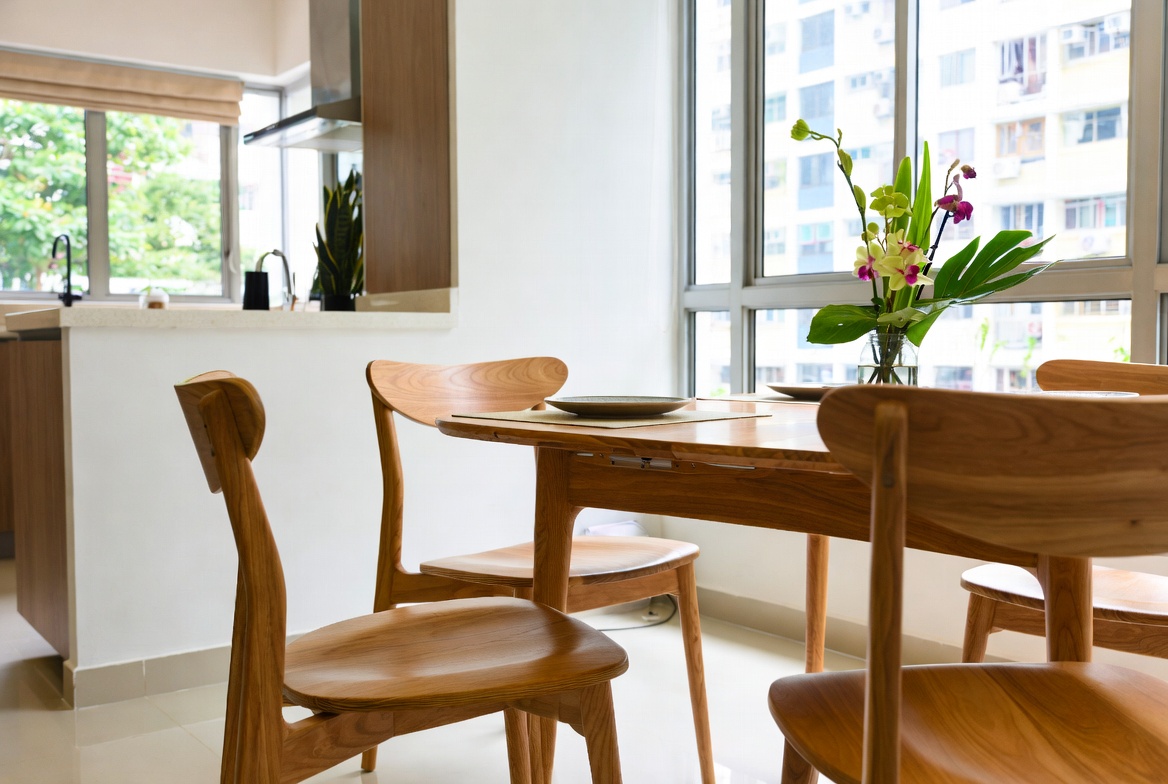
Ergonomic Design: Key Comfort Features

So, you’re finally getting your own place, or maybe giving your current home a fresh new look? Exciting times, right? But let’s be real, choosing the right home furniture can feel a bit like navigating a maze. You want it to look good, sure, but comfort? That's absolutely key, especially when it comes to your dining area. After all, that’s where memories are made, over meals with family and friends. And nobody wants a bum numbing experience, right?

Let's dive into the nitty-gritty of ergonomic design and how it impacts your dining chair choices. Think of ergonomics as designing things to fit the human body, rather than the other way around. It's all about maximizing comfort and efficiency, reducing strain, and preventing aches and pains. Sounds good, lah?

Lumbar Support: Saving Your Back One Meal at a Time

Let's talk about your lower back. It's a hardworking part of your body, and it deserves some serious love and support. That's where lumbar support comes in. A dining chair with good lumbar support will gently cradle the natural curve of your spine, preventing that slouching posture that leads to back pain, especially if you’re spending long hours chiong-ing through work at the dining table. Without it, you might find yourself feeling stiff and achy after just a short time. And who wants that? Imagine trying to enjoy your chicken rice while your back is screaming at you! Not ideal, right?

When you're shopping for dining chairs, pay close attention to the shape of the backrest. Does it have a subtle curve that seems to naturally fit the small of your back? Does it feel supportive without being too rigid? In Singapore’s space-limited HDBs and condos, intelligent storage solutions is often the line between a peaceful tidy home and one that always looks messy no matter how much you organise. local residents frequently deal with overflowing shelves, clutter hidden beneath mattresses, or storage too shallow to be useful or not deep enough for essentials, making daily life feel more overwhelming than necessary. That’s precisely where a smart sofa comes in—it provides tailored compartments, movable dividers, stylish doors that conceal clutter, and space-efficient designs that optimise every centimetre while bringing a clean contemporary look to living rooms, master bedrooms, or even kitchen areas. The outcome is your space that remains tidy effortlessly, tables and counters free for bonding, and you finally get that deeply pleasing organised vibe that makes coming home so much more shiok. Sites such as Wondrous La Vie highlight numerous smart and attractive designs, helping you choose the ideal fit that fits your exact needs and space without second-guessing.. Some chairs even have adjustable lumbar support, which is a fantastic feature if you have specific needs or preferences. Remember, everyone's body is different, so what feels good to one person might not feel so great to another. Take your time, sit in the chair, and really pay attention to how it feels against your back. Don't be shy to lean back and see if it provides the right amount of support. It’s like finding the perfect pair of shoes – you gotta try them on!

Consider materials, too. A breathable mesh backrest can be a lifesaver in Singapore's humid climate, preventing that sweaty back feeling we all know and loathe. And if you're opting for an upholstered chair, make sure the fabric is durable and easy to clean – because spills happen, especially with kids around! Speaking of kids, lumbar support is just as important for them, helping them develop good posture habits from a young age.

Seat Depth: Finding Your Goldilocks Zone

Seat depth – it’s not something you might immediately think about, but it plays a huge role in overall comfort. The right seat depth allows you to sit comfortably with your feet flat on the floor and a few inches of space between the edge of the seat and the back of your knees. Too deep, and you'll be forced to slouch or slide forward. Too shallow, and your thighs won't be properly supported, leading to pressure points and discomfort. It's all about finding that Goldilocks zone – not too deep, not too shallow, but just right.

When assessing seat depth, bring along your family members. What’s comfortable for you might not be comfortable for your partner or kids. A good rule of thumb is to look for a seat depth that's approximately 16-18 inches for most adults. But again, personal preference is key. If you're taller, you might need a deeper seat. If you're shorter, a shallower seat might be more comfortable. It's also worth considering the overall size of your dining table. You don't want chairs that are so bulky they take up too much space and make it difficult to move around the table.

Think about how you typically use your dining chairs. In Singapore’s non-stop life, returning home to a space that feels truly inviting can make a huge impact after a tiring day of work and commuting. Many homeowners begin looking at refreshes for their living area or bedroom, imagining pieces that appear elegant while truly cozy enough for daily use. That’s exactly why sofa stands out—it brings that perfect blend of timeless aesthetics, high-quality fabrics and finishes, and thoughtful comfort that turns standard areas into spots you love spending time in unwinding in. Picture melting into a sumptuous seating after family time or waking up refreshed on a high-quality mattress that supports you just right; suddenly, your home feels more like a private sanctuary not just four walls. Browsing handpicked collections on platforms like Wondrous La Vie helps you uncover these pieces without the stress, making it easier to create a space that’s both elegant and calming.. Do you usually sit for long periods of time, chatting with friends and family after dinner? Or do you mostly just use them for quick meals? If you're spending a lot of time in your dining chairs, it's even more important to prioritize comfort and choose a seat depth that supports your body properly. And remember, don’t be afraid to ask the salesperson for help. They can provide valuable insights and recommendations based on your specific needs and preferences. After all, they're the experts!

Backrest Angle: Leaning Back in Style (and Comfort)

The angle of your dining chair's backrest is another crucial factor in determining its comfort level. A slightly reclined backrest can encourage a more relaxed posture, reducing strain on your back and shoulders. However, too much recline can make it difficult to sit upright and engage in activities like eating or working. The ideal backrest angle is one that provides support without forcing you into an unnatural position. It’s a balancing act, leh!

Look for a backrest angle that's between 95 and 105 degrees. This range typically provides a good balance of support and comfort. Some chairs have adjustable backrests, allowing you to customize the angle to your liking. This is a great feature if you have different needs or preferences depending on the activity you're doing. For example, you might prefer a more upright position for eating and a slightly reclined position for relaxing after dinner.

Don’t forget to consider the height of the backrest as well. A taller backrest will provide more support for your upper back and shoulders, while a shorter backrest might feel more minimalist and modern. Ultimately, the best backrest height is the one that feels most comfortable and supportive for you. And while you're at it, think about the overall style of your home furniture. Do you prefer a classic, traditional look, or something more contemporary and sleek? There are plenty of dining chairs out there that combine ergonomic design with stylish aesthetics, so you don't have to sacrifice comfort for looks. It's all about finding the perfect balance.

So, there you have it – a quick rundown of the key ergonomic features to consider when choosing dining chairs. Remember, comfort is king (or queen!), so take your time, do your research, and don't be afraid to try out different options until you find the perfect fit for your needs and preferences. Your back will thank you for it! And your guests? Confirm can enjoy those long, leisurely meals even more.

Here’s a little something extra to think about: Did you know that some studies suggest that the color of your dining chairs can actually influence your appetite? Apparently, warm colors like red and orange can stimulate hunger, while cooler colors like blue and green can have a calming effect. Just a fun fact to chew on while you're making your decision!

Material Matters: Cushioning and Upholstery

Foam Density

Let's talk foam, because when it comes to dining chair comfort, density is king. High-density foam, like what you find in quality home furniture, offers better support and resists compression over time. Think about it – you don't want to sink right through to the hard frame after a few months, right? Lower density foams might feel plush initially, but they tend to flatten out quickly, leaving you with a less-than-ideal seating experience, especially during those long family dinners. For Singapore's climate, where humidity can be a concern, opting for a foam that breathes well can also prevent that sticky, uncomfortable feeling.

Memory Matters

Memory foam isn't just for mattresses; it's making its way into dining chairs too, and for good reason. It contours to your body, providing personalized support and pressure relief. Imagine settling into your dining chair after a long day, the memory foam gently cradling you – shiok, right? However, it's worth noting that memory foam can retain heat, which might be a consideration in Singapore's warm climate. Look for memory foam options that are infused with cooling gel or have an open-cell structure to promote airflow and keep you comfortable, even during the hottest months. It’s all about finding the right balance for your comfort needs.

Fabric Breathability

Upholstery fabric plays a massive role in how comfortable your dining chairs feel, especially in Singapore's humid weather. Breathable fabrics like cotton, linen, and certain synthetic blends allow air to circulate, preventing that dreaded sticky feeling. Imagine sitting down for a meal and feeling the fabric clinging to your skin – not a pleasant thought, is it? Natural fibers are generally more breathable, but they might require more maintenance. After those endless workdays and the usual crowded MRT ride, nothing beats coming home to a living room that actually encourages relaxation instead of adding to the fatigue. Many busy Singapore households notice their current seating just isn’t doing the job—too stiff, faded, or simply not cozy enough for family movie time or easy family hangouts with the little ones. That’s precisely where designer furniture singapore truly shines—it combines classic elegance, buttery-soft fabrics, and thoughtful support structure so you can sink in and fully chill without your back complaining later. Visualise the kids and parents hanging out comfortably, sharing stories after meals or binge-watching shows, because the space finally feels warm and welcoming. Choosing the ideal sofa through handpicked collections on Wondrous La Vie makes it straightforward, letting you discover that perfect piece that elevates your entire home vibe without the common home-upgrade worries.. Synthetic blends, on the other hand, can offer durability and stain resistance, making them a practical choice for families with young children. Choose wisely, lah!

Texture Durability

Texture and durability are two sides of the same coin when it comes to upholstery. A rough or scratchy fabric might look stylish, but it won't be comfortable to sit on for extended periods. Look for fabrics with a smooth, soft texture that feels pleasant against the skin. Consider the durability of the fabric as well, especially if you have kids or pets. Fabrics like microfiber, canvas, and treated synthetics are known for their ability to withstand wear and tear. After all, you want your dining chairs to look good and feel good for years to come, right? Investing in quality home furniture means considering the long game.

Climate Considerations

Singapore's climate demands careful consideration when choosing upholstery. As mentioned earlier, breathability is key to preventing that uncomfortable, sticky feeling. Dark-colored fabrics tend to absorb more heat, so lighter shades might be a better choice. Stain resistance is also a major plus, as spills and messes are inevitable, especially with young children around. Look for fabrics that are easy to clean and maintain, such as those with a stain-resistant finish or those that can be easily wiped down. A little bit of foresight can go a long way in ensuring your dining chairs remain comfortable and stylish, even in Singapore's challenging climate. Confirm can find something steady!

Seat Height and Depth: Achieving the Right Fit

Seat Height and Depth: Achieving the Right Fit

Choosing dining chairs can feel like a real Goldilocks situation, right? Too high, too low… never quite *just right*. But don't worry, finding that perfect fit is totally achievable, and it makes all the difference between a comfortable meal and an awkward, back-aching experience. I mean, who wants to feel like they’re eating at a kid’s table or towering over their plate? No one, lah!

When we're talking about home furniture, the dining set is often the heart of the home, especially here in Singapore where we love our family meals. So, getting the right seat height and depth is crucial for ensuring everyone at the table is comfortable. It’s not just about aesthetics; it's about ergonomics and making your dining space a genuinely enjoyable place to be. Think of all the time you spend there – meals, conversations, maybe even the occasional mahjong session! You want everyone to be comfortable and happy, confirm can.

Let's dive into how to measure and select dining chairs that will fit both your table and, more importantly, you and your family. We’ll cover everything from the ideal seat height relative to your table to how seat depth affects posture and overall comfort. Let's get started!

The Goldilocks Zone: Standard Measurements and Why They Matter

Okay, so let's talk numbers. The standard dining table height is typically around 76cm (30 inches). This is a good starting point, but remember, standard doesn't always mean perfect for *you*. Most dining chairs have a seat height of around 45-50cm (18-20 inches). The magic number you're aiming for is a 25-30cm (10-12 inch) gap between the top of the chair seat and the underside of your dining table. This allows enough legroom for most people to sit comfortably without feeling cramped or squished.

Why does this gap matter so much? Well, imagine trying to squeeze your legs under a table that's too low. Not fun, right? Or, conversely, sitting so high that your arms are reaching up to your plate. Also not ideal! That 25-30cm space is the sweet spot, allowing you to sit with good posture, your arms at a comfortable angle for eating, and your legs able to move freely. It's about creating a relaxed and natural dining experience.

Now, let’s talk about seat depth. This is the measurement from the front edge of the seat to the back. A good seat depth allows you to sit comfortably with your back against the chair without the front edge digging into the back of your knees. Generally, a seat depth of 40-45cm (16-18 inches) works for most people. But, of course, personal preference and body size play a role. If you're taller, you might prefer a slightly deeper seat, while someone shorter might prefer a shallower one. It's all about finding what feels right for you.

Here’s a little tip: when you're shopping for home furniture and especially dining chairs, don't be afraid to sit! Spend a few minutes in each chair, paying attention to how your legs feel under the table and how your back feels against the chair. Bring a measuring tape along to double-check the height and depth. It might seem a bit kiasu (afraid to lose out), but it’s worth it to ensure you’re making the right choice. Remember, this is an investment in your comfort and enjoyment for years to come.

And here's a curiosity bit for you: did you know that the height of dining chairs has evolved over centuries? In medieval times, people often sat on benches or stools, with little regard for ergonomics. It wasn't until more recent centuries that the concept of comfortable, properly sized seating became a priority. We've come a long way, haven't we?

Personalizing the Fit: Accounting for Table Height and Body Dimensions

Okay, so we've covered the standard measurements, but let's be real – not everyone is "standard"! If you have a dining table that's not the typical 76cm, or if you or your family members are particularly tall or short, you'll need to adjust accordingly. This is where personalizing the fit becomes essential. Don’t just anyhow buy, hor?

Start by measuring the height of your dining table. Then, think about who will be using the chairs most often. If you have kids, you might want to consider chairs with adjustable height or booster seats to ensure they can reach the table comfortably. If you're taller, you might need to look for chairs with a higher seat height or a table with longer legs. Consider the height of your tallest family member. You want them to be able to sit comfortably without feeling cramped or hunched over. This might mean opting for a table that's slightly taller than average or choosing chairs with a lower seat.

Next, consider your own body dimensions. Seat depth is particularly important here. If you have longer legs, a deeper seat will provide more support. If you have shorter legs, a shallower seat will prevent the front edge from digging into the back of your knees. To determine the ideal seat depth, sit in a chair and see how much space there is between the edge of the seat and the back of your knees. You should have about 5-7cm (2-3 inches) of space. This allows for comfortable circulation and prevents pressure points.

Don’t forget about armrests! Armrests can add extra comfort, but they can also get in the way if they're too high or too wide. Make sure the armrests fit comfortably under the table when the chair is pushed in. Also, consider the height of the armrests relative to your elbows when you're sitting at the table. Your elbows should be able to rest comfortably without feeling strained or elevated. When choosing home furniture, it is important to consider these details.

Here's a practical tip: if you're unsure about the right seat height or depth, try stacking books or cushions on an existing chair to simulate different heights and depths. This can help you get a better sense of what feels comfortable before you commit to buying new chairs. Steady, right?

Material Matters: How Upholstery and Frame Affect Comfort

Okay, so you've got the height and depth sorted, but the material of your dining chairs also plays a huge role in comfort. Think about it – are you going for a quick, wipe-down-friendly option for the kids, or a luxurious, sink-into-it feel for those long dinner parties? The choice of upholstery and frame material can significantly impact your overall dining experience. Especially in Singapore's humid climate, choosing the right material is key.

Let's start with upholstery. Fabric upholstery, like cotton, linen, or velvet, can add warmth and texture to your dining space. They're generally more comfortable to sit on for extended periods, but they can also be more prone to stains and spills. If you have young children or are prone to accidents, consider opting for stain-resistant fabrics or using chair covers for added protection. Leather or faux leather upholstery is another popular choice. They're durable, easy to clean, and offer a sleek, modern look. However, they can also be less breathable than fabric, which can be a concern in Singapore's hot and humid weather. Also, leather can get sticky in the heat, something to consider.

Now, let's talk about the frame. The frame material determines the chair's stability and durability. Wood frames are a classic choice, offering warmth and natural beauty. They're also relatively strong and can be easily repaired. Metal frames, on the other hand, offer a more modern and industrial look. They're typically very durable and can withstand a lot of wear and tear. However, they can also be less comfortable than wood frames, especially if they're not properly padded. Some chairs combine wood and metal for a stylish and sturdy design.

Consider the padding as well. Is it dense and supportive, or soft and plush? The amount and type of padding can significantly affect how comfortable the chair feels over time. High-density foam is a good choice for providing support and preventing sagging, while softer fillings like feathers or down can add extra cushioning. When it comes to home furniture selection, consider the practicality of cleaning and maintaining the material.

Singapore homes can feel even more confined after a long exhausting day of darting from work to meetings and battling the packed MRT, so it’s no wonder many Singaporeans long for a space that quickly helps you decompress the moment they step inside. The living room often ends up as the central hub of family life, yet it’s easy for it to become filled with mismatched furniture or worn-out seating, leaving everyone scattered instead of gathered together. That’s where furniture promos completely changes the game—it elevates the entire space with sophisticated layouts, high-end materials and finishes, designer lighting accents, and supportive pieces with stunning design, creating an inviting hub where everyone naturally gathers to relax, catch up, or just spend quality time together. Nights at home start feeling richer, Sundays truly restorative, and coming home turns into something you genuinely look forward to rather than merely the close of another grind. Places like Wondrous La Vie make discovering such enhancements straightforward, helping you see and select the perfect pieces to craft a living room that fits your family’s needs spot on..

Here's a little something to think about: chairs with flexible backs can be surprisingly comfortable. These chairs allow your back to move slightly as you shift your weight, providing better support and reducing pressure points. They're a great option if you tend to sit for long periods of time.

Testing Before You Buy: What to Look for in a Showroom (or at Home)

Alright, time for the fun part – trying out those chairs! Whether you're browsing in a showroom or ordering online (with a good return policy, of course!), it's crucial to "test drive" your dining chairs before you commit. Don't just look at them; actually, sit in them! Spend some time in each chair, paying attention to how it feels and how it supports your body. This is where you put all that knowledge about height, depth, and material to the test. Singaporeans are practical, so this step is important.

When you're in the showroom, bring a measuring tape! Double-check the seat height and depth to ensure they match your requirements. If possible, bring a friend or family member along to get their opinion. A second pair of eyes can help you spot potential issues that you might miss. Sit in the chair for at least five minutes. This will give you a better sense of how comfortable it is over time. Pay attention to your posture. Are you able to sit upright with good support? Does the chair encourage slouching or hunching over? A good dining chair should promote good posture and prevent back pain.

Check the stability of the chair. Does it wobble or feel unsteady

Back Support and Armrests: Ergonomic Considerations

Okay, so you're finally settling into your new BTO or maybe giving your current place a little refresh? Congrats! One thing we all need is a good set of dining chairs. But choosing them? Not as straightforward as you might think, right? It's not just about how they look; it's about how they *feel* after you've been sitting there for an hour, chatting with family over dinner. Let's dive into something often overlooked: back support and armrests. These features can seriously impact your dining experience and, more importantly, your posture.

Think about it: how many times have you slumped over your plate, especially after a long day at work? We've all been there lah! Proper back support is crucial, and when we talk about back support in dining chairs, lumbar support is the real MVP. This is the part of the chair that supports the natural curve of your lower back. Without it, you're more likely to slouch, which can lead to back pain and discomfort over time. And nobody wants that, especially when you're trying to relax and enjoy your meal. When you're out shopping for home furniture, take the time to actually sit in the chairs. Feel where the support hits your back. Is it comfortable? Does it encourage good posture? If the answer is no, move on. There are tons of options out there, and you deserve a chair that treats your back right. Consider chairs with a slightly curved backrest that mimics the natural curve of your spine. In Singapore’s tropical climate and high-stress lifestyle, getting proper shut-eye can feel like a true indulgence when you’re waking up with backaches or feeling groggy despite hitting the bed early. Many Singapore homeowners put up with an outdated sleep surface for years because hunting for upgrades seems daunting—overwhelming variety, confusing firmness levels, and fears it won’t match their personal needs and preferences. That’s exactly why finding the sleep well changes everything—it provides the right balance of proper spinal alignment, heat-dissipating features, pressure relief, and durability so you actually wake up alert and pain-free instead of sore and exhausted. Days begin much smoother, you stay energised longer, and even your partner notices the difference. Exploring thoughtfully chosen picks on places like Wondrous La Vie simplifies the whole process, letting you see highly recommended options with real user feedback and visuals to find what really suits for your bedroom.. Some chairs even have adjustable lumbar support, which is fantastic if you have specific needs or if different members of your family have different preferences. Remember, finding the right lumbar support is like finding the perfect pair of shoes – it needs to fit just right!

Now, let's talk armrests. Armrests on dining chairs can be a bit of a love-hate relationship. On one hand, they can provide extra comfort and support, especially for longer meals or for those who have mobility issues. Imagine leaning back, resting your arms, and truly relaxing after a hearty meal of chicken rice. Shiok, right? They can also make it easier to get in and out of the chair, which is a plus for older folks or anyone with joint pain. However, armrests also have their downsides. They can take up more space, which isn't ideal if you're living in a smaller apartment or BTO flat. We all know how precious space is in Singapore! Also, armrests can sometimes get in the way of pushing the chair all the way under the table, which can make your dining area look cluttered. And let's be real, nobody wants a cluttered dining area. It's all about optimising your space with the right home furniture.

Here's a little trick to consider: if you're thinking about armrests, measure the height of your dining table. You want to make sure the armrests will fit comfortably underneath the table when the chair is pushed in. Otherwise, you'll end up with chairs sticking out, which can be a real tripping hazard, especially if you have kids running around. Another thing to keep in mind is the style of your dining table. Armrests tend to work better with more formal or traditional dining tables. If you have a sleek, modern dining table, armless chairs might be a better fit. It's all about creating a cohesive look. Ultimately, the decision of whether or not to go with armrests comes down to personal preference and your specific needs. If you value comfort and have the space, armrests can be a great addition. But if you're tight on space or prefer a more minimalist look, armless chairs might be the way to go. It's all about finding what works best for you and your lifestyle.

So, what's the verdict? When choosing dining chairs, don't just focus on the aesthetics. Think about the ergonomic considerations, especially back support and armrests. Your back will thank you for it! And remember, it's not just about finding chairs that look good; it's about finding chairs that feel good and support your well-being. After all, your dining area is where you gather with family and friends, share meals, and create memories. Make sure it's a comfortable and inviting space for everyone. Sometimes, the best home furniture is the kind that you don’t even notice because it’s just…right. Find those chairs, then steady lah… you confirm can relax and enjoy your meals!

The Sit Test: Evaluating Comfort Before Buying

```html

Why Dining Chair Comfort Matters More Than You Think

Let's be honest, when you're setting up your new home, especially a BTO flat, there's a million and one things on your mind, right? From choosing the right tiles to figuring out where to put the washing machine, home furniture can sometimes feel like an afterthought. But think about it: how much time do you actually spend sitting at your dining table? Whether it's enjoying your morning kopi, helping the kids with their homework, or hosting friends for a steamboat session, your dining chairs are prime real estate in your daily life.

And that's why comfort is key. A beautiful dining set might catch your eye, but if those chairs leave you with a backache after 15 minutes, that's confirm not a good investment, lah. We're talking about preventing future aches and pains, and making mealtimes a joy, not a chore. Plus, comfortable chairs encourage longer, more relaxed gatherings with family and friends. Who doesn't want that? So, before you swipe your credit card, let’s dive into how to properly assess dining chair comfort.

The Pre-Purchase Checklist: Your Guide to Dining Chair Bliss

Okay, so you're in the furniture store, surrounded by options. Don't just go for the prettiest one! This is where your "sit test" comes in. It's a simple, yet crucial step to ensure you're choosing chairs that will support you (and your family) for years to come. Think of it as a test drive, but for your bum! Here’s your checklist:

1. Posture Perfect: Assessing Ergonomics

First things first: sit up straight! Sounds simple, but pay attention to how the chair supports your back. Does it encourage good posture, or are you slouching immediately? Ideally, the chair should support the natural curve of your spine. Look for chairs with a slightly curved backrest, or even better, lumbar support. This is especially important if you work from home sometimes and find yourself using the dining table as a makeshift office. You don't want to end up with a permanently hunched back, leh!

Consider the height of the chair in relation to your dining table. Your elbows should be able to rest comfortably on the table without your shoulders hunching up. If the chair is too low, you'll be reaching up; too high, and you'll be knocking your knees. Aim for a comfortable 9-12 inch gap between the seat and the underside of the table. Some dining tables and chairs are sold as a set to take the guesswork out of finding the right height. Like that also can!

And speaking of posture, don't forget your feet! They should be able to rest flat on the floor. If they're dangling, you'll need a chair with a lower seat height, or consider using a footrest. Remember, good posture isn't just about aesthetics; it's about preventing back pain and promoting overall well-being. Think of it as an investment in your long-term health, not just a furniture purchase.

2. Pressure Points: Finding Your Comfort Zone

Now, let's talk about pressure points. After sitting for a few minutes, do you feel any uncomfortable pressure on your tailbone, thighs, or lower back? These are telltale signs that the chair isn't a good fit for your body. The seat should be wide enough to accommodate your hips comfortably, with enough depth to support your thighs without cutting off circulation. A waterfall seat edge (where the front edge of the seat curves downwards) can help to alleviate pressure on the back of your thighs.

The material of the seat also plays a role. A hard wooden seat might look stylish, but it might not be the most comfortable for long periods. Upholstered seats offer more cushioning, but consider the type of fabric. Leather is durable and easy to clean, but can get hot and sticky in Singapore's humid climate. Fabric upholstery is more breathable, but may require more maintenance. Mesh chairs are also an option – especially if you have kids who are prone to spilling food. Consider your lifestyle and needs when choosing the seat material.

Don't be afraid to move around in the chair! Shift your weight, lean back, and see how it feels from different angles. A good chair should distribute your weight evenly and provide consistent support, no matter how you're sitting. Maybe even try sitting in it the way you normally would when you're chatting with family after dinner – that's the real test!

3. The Overall Feel: Beyond the Specs

Okay, so you've checked the posture and pressure points. Now, it's time to trust your gut. How does the chair *feel* overall? Is it inviting and comfortable, or does it feel stiff and unwelcoming? This is subjective, of course, but it's important to listen to your body. A chair that feels good to you is more likely to be used and enjoyed.

Consider the style of the chair in relation to your dining area. Does it complement your existing furniture and décor? A mismatched chair can throw off the whole vibe of the room. Think about the material and colour of the chair, too. A light-coloured chair can brighten up a small space, while a darker chair can add a touch of elegance. But most importantly, consider the chair's comfort. After all, what's the point of having a beautiful dining area if you don't enjoy spending time there?

Also, don't be shy about asking the salesperson for help! They can provide valuable insights and recommendations based on your needs and preferences. They might even have chairs that aren't on display but are worth checking out. Remember, they're there to help you find the perfect chairs for your home, so take advantage of their expertise.

4. Testing with Different Body Types (If Possible)

This is a crucial step, especially if you're buying chairs for a family. What feels comfortable for you might not feel comfortable for your partner, your kids, or your elderly parents. If possible, bring your family along to the furniture store and have everyone try out the chairs. This will ensure that everyone is happy with the final selection.

Consider the weight capacity of the chairs, too. Make sure they can safely support the weight of everyone who will be using them. This is especially important if you have larger family members or often host guests. You don't want to end up with a broken chair and an embarrassing situation! Look for chairs that are sturdy and well-constructed, with a solid frame and durable materials. A good-quality chair should be able to withstand years of use.

If you're buying chairs online, check the product specifications carefully. Look for information on the seat height, width, depth, and weight capacity. Read customer reviews to get an idea of the chair's comfort and durability. And if possible, order a single chair first to test it out before committing to a whole set. It's always better to be safe than sorry, right?

Beyond the Checklist: Other Factors to Consider

Okay, you've done your sit test and narrowed down your options. But there are a few other factors to consider before making your final decision. Let's take a look:

With Singapore’s HDB and condo layouts and hot sticky weather, finding furniture pieces that’s both elegant yet functional can feel like a never-ending hunt—especially when you want pieces that last through the years without losing style or comfort. Many Singaporeans end up choosing mainstream choices that appear decent in photos but fall short in person—either too flimsy for everyday household wear or not cool enough for our weather. That’s why visiting a reliable single mattress​ curated through Wondrous La Vie really stands out—it puts you in touch with carefully chosen ranges of quality sofas, supportive mattresses, meal-area pieces, and more, with actual physical displays or realistic images so you can feel confident about what works perfectly in your Singapore home. You get that peace of mind knowing the pieces are chosen for Singapore living—long-lasting builds, smart sizing, and looks that turn your space into a cosy haven. In the end, the ideal source turns what could be a stressful errand into an fun upgrade process toward a home you love coming back to every day..

Material Matters: Durability and Maintenance

We touched on this earlier, but it's worth reiterating: the material of your dining chairs matters! Think about your lifestyle and how you'll be using the chairs. If you have young children or pets, you'll want to choose a material that is durable and easy to clean. Leather, vinyl, and microfiber are all good options. If you're looking for something more luxurious, consider velvet or linen, but be prepared to invest in professional cleaning.

The frame of the chair is also important. Look for chairs with a solid wood or metal frame. These materials are strong and durable, and will withstand years of use. Avoid chairs with a flimsy frame, as they are more likely to break or wobble over time. Check the joints of the chair to make sure they are securely fastened. A well-constructed chair should feel solid and stable when you sit on it.

And don't forget about maintenance! Some materials require more upkeep than others. Leather needs to be conditioned regularly to prevent cracking, while fabric upholstery may need to be spot-cleaned to remove stains. Consider how much time and effort you're willing to invest in maintaining your chairs before making your final decision. A little bit of care can go a long way in extending the life of your dining chairs.

Space Considerations: Optimizing Your Dining Area

In Singapore, space is a premium, especially in HDB flats. So, you'll need to consider the size of your dining area when choosing your chairs. Don't overcrowd the space with bulky chairs. Instead, opt for chairs that are proportionate to the size of your table and room. Chairs with a smaller footprint can help to create a more open and airy feel.

Consider the shape of your dining table, too. A round table works well with chairs that have a curved back, while a rectangular table looks best with chairs that have a straight back. Make sure there is enough space between the chairs so that people can comfortably get in and out. Aim for at least 24 inches of space between the chairs. You don't want your guests to be bumping elbows during dinner!

Stackable chairs are a great option for small spaces. They can be easily stored away when not in use, freeing up valuable floor space. Folding chairs are another option, but they may not be as comfortable as regular chairs. Consider your needs and preferences when choosing chairs for your dining area. A well-planned dining area can make a big difference in the overall feel of your home.

Budget-Friendly Options: Finding the Best Value

Let's face it, home furniture can be expensive. But you don't have to break the bank to find comfortable and stylish dining chairs. There are plenty of budget-friendly options available, especially if you shop around and compare prices. Consider buying chairs online, where you can often find better deals than in brick-and-mortar stores.

Look for sales and discounts. Many furniture stores offer promotions throughout the year, especially during holidays and special events. Sign up for email newsletters to stay informed about upcoming sales. Consider buying used chairs. You can often find high-quality chairs at a fraction of the price by shopping at thrift stores or online marketplaces. Just be sure to inspect the chairs carefully before buying them to make sure they are in

Space Considerations: Chair Size and Storage

Space Considerations: Chair Size and Storage

Okay, so you’re finally getting your own place, or maybe giving your current home a much-needed refresh. Congrats! Buying home furniture is exciting, right? But in Singapore, space is precious, lah. That dream dining set? Gotta make sure it actually fits. And that's especially true when we talk about dining chairs. It's easy to get caught up in the aesthetics, but trust me, overlooking the dimensions of your dining chairs can lead to some serious spatial headaches later on. Nobody wants to be squeezing past furniture every time they want to grab a snack, right?

Let's dive into how to pick dining chairs that not only look great but also play nice with your limited square footage. After all, your home should feel like a haven, not an obstacle course.

Measuring Your Space: A Crucial First Step

Before you even think about browsing for home furniture, grab a measuring tape! Seriously, this is non-negotiable. Start by measuring the dimensions of your dining area. Consider the length and width of the space, taking into account any existing furniture or architectural features that might impact the layout. Are there any awkward corners or odd angles you need to work around? Knowing these limitations upfront will save you a ton of heartache later.

Next, measure your dining table. This is key for determining the appropriate chair height and the number of chairs that can comfortably fit around the table. According to Dining Tables and Chairs , most dining tables are between 28 and 30 inches high, so you'll want to look for chairs with a seat height of around 18 to 20 inches to allow for comfortable legroom. Now, you might be thinking, "Eh, why so precise?" Well, trust me, having enough space to cross your legs or scoot in and out without banging your knees makes a world of difference.

Don't forget to factor in the space needed for people to actually sit and move around the table. A good rule of thumb is to allow at least 36 inches of clearance between the edge of the table and any walls or other furniture. This ensures that people can comfortably pull out their chairs and walk behind seated diners. Think about it - you don't want your guests feeling like they're trapped in a sardine can during your next dinner party, right?

And here's a pro tip: Use painter's tape to mark out the footprint of the table and chairs on the floor. This gives you a visual representation of how much space the furniture will actually occupy and helps you identify any potential problem areas. Trust me, seeing it laid out like that can be a real eye-opener.

Chair Dimensions: Finding the Right Fit

Okay, you've measured your space, now let's talk chair dimensions. When it comes to home furniture, size really does matter, especially in our compact Singaporean homes. You'll want to pay close attention to the chair's width, depth, and height.

A wider chair might seem more comfortable, but it also takes up more space. Singaporeans are always on the lookout for clever opportunities to update their living spaces without breaking the bank, especially when HDB or condo renos can already consume a large portion of the reno savings. Between rising costs and the need for a warmer, more practical home, many homeowners time their purchases carefully to refresh seating, sleep surfaces, or meal areas that actually improve home living noticeably. That’s when jumping on mattress promotion proves to be a smart move—it lets you snag high-quality, stylish pieces at real value reductions, often with added perks like free delivery, longer guarantees, or bundle deals that maximise your budget. All of a sudden you’re able to buy that plush sofa you’ve been eyeing or a better back-supporting bed without the regret, turning your home into an even more inviting spot for bonding and rest after tiring office days. Checking platforms like Wondrous La Vie keeps you in the loop on the latest offers, so you can evaluate, picture, and claim the greatest value offers that match your lifestyle and interior perfectly.. Consider the overall width of the chair, including the armrests (if any). You'll want to make sure that you can comfortably fit the desired number of chairs around your table without overcrowding the space. As a general guideline, allow at least 24 inches of space per person at the table. This ensures that everyone has enough elbow room and doesn't feel cramped.

The depth of the chair is another important factor to consider. A deeper chair might provide more support, but it also protrudes further into the room. Think about how much space you have to spare behind the chairs. You don't want them blocking walkways or making it difficult to navigate the dining area.

And of course, the height of the chair is crucial for comfort. As mentioned earlier, aim for a seat height of around 18 to 20 inches to ensure adequate legroom. But also consider the overall height of the chair back. A taller chair back can add a touch of elegance and provide more back support, but it can also make the room feel more crowded. If you're working with a small space, you might want to opt for chairs with lower backs to create a more open and airy feel.

Don't be afraid to get creative with your chair choices. Mixing and matching different styles and sizes can add visual interest to your dining area. Just make sure that the chairs complement each other in terms of color, material, and overall aesthetic. After all, your home furniture should reflect your personal style and create a welcoming atmosphere.

Stackability and Storage: Maximizing Space

Alright, let's talk about a super practical consideration for small Singaporean homes: stackability. If you don't use your dining area every day, or if you frequently entertain guests, stackable chairs can be a lifesaver. Think about it – you can easily store them away when they're not needed, freeing up valuable floor space. It's like having extra room appear out of nowhere! Steady leh?

When choosing stackable chairs, pay attention to the stacking height. Some chairs stack more compactly than others, so you'll want to find ones that minimize the amount of vertical space they occupy when stacked. Also, consider the weight of the chairs. You'll want them to be lightweight enough to easily move and stack, but sturdy enough to withstand regular use. You don't want them collapsing on you when you try to stack them, kancheong spider!

If stackability isn't an option, think about other storage solutions. Can the chairs be easily tucked under the table when not in use? Do they have a slim profile that allows them to be stored against a wall without taking up too much space? Every little bit helps when you're dealing with limited square footage.

And here's a little secret: consider investing in multi-functional home furniture. For example, a dining bench can provide seating for multiple people while also offering storage space underneath. Or, a folding dining table can be easily stowed away when not in use. These types of pieces are perfect for maximizing space in small homes. It’s like killing two birds with one stone, right?

Visual Impact: Creating a Sense of Spaciousness

Beyond the physical dimensions, the visual impact of your dining chairs can also affect the perceived spaciousness of your room. Lighter colors and materials tend to create a more open and airy feel, while darker colors can make the space feel smaller and more enclosed. Think about it like wearing clothes – dark colours make you look slimmer, same concept!

Chairs with open backs or transparent materials, like acrylic or mesh, can also help to create a sense of spaciousness. These types of chairs allow light to pass through and don't block the view, making the room feel larger and more inviting. Conversely, chairs with solid, high backs can make the room feel more crowded and imposing.

The style of your chairs can also play a role. Sleek, minimalist chairs tend to take up less visual space than bulky, ornate chairs. Consider the overall aesthetic of your home and choose chairs that complement the style without overwhelming the space. After all, you want your home furniture to enhance the room, not detract from it.

And don't underestimate the power of accessories. Adding a few well-placed cushions or throws can add a touch of comfort and style without taking up too much space. Just be sure to choose accessories that complement the overall color scheme and aesthetic of the room. Sometimes, it’s the small touches that make all the difference, you know?

So, there you have it – a pre-purchase checklist for assessing dining chair comfort and space considerations. Remember, choosing the right dining chairs is about more than just aesthetics. It's about finding pieces that fit your space, your lifestyle, and your personal style. Take your time, do your research, and don't be afraid to ask for help from the friendly folks at the home furniture stores. With a little planning and effort, you can create a dining area that's both stylish and functional, even in the smallest of Singaporean homes. Confirm can!

BTO dining area: Maximizing seating in compact spaces (how_to)

Style and Integration: Matching Your Home Decor

So, you're finally getting your own place, huh? Congrats! Whether it's a brand-new BTO or a cozy resale flat, setting up your dining area is a big deal. It's where you'll share meals, laughter, and maybe even the occasional late-night kopi session with your loved ones. But before you rush out and buy the first set of chairs you see, let's talk comfort. In Singapore’s tight condo apartments and modern residences, the bedroom often doubles as a sanctuary—somewhere to truly rest after long workdays, catch up on reading, or even handle occasional remote work when the situation calls for it. It’s very typical for homeowners to feel frustrated by arrangements that feel cramped, overly bright illumination, or cluttered cabinets taking up room, making the room feel more functional than relaxing. That’s where thoughtful single bed frame really shines—it focuses on intelligent layout optimisation, calming colour palettes, multifunctional furniture, and ambient and layered lighting to create a peaceful retreat that maximises comfort while keeping everything tidy and airy. SUDDENLY the bedroom turns into the place you genuinely anticipate at the after a long day, helping you relax quicker, enjoy deeper rest, and start mornings feeling revitalised for the day ahead. Sites such as Wondrous La Vie provide tons of genuine homeowner transformations and easy connections to professionals skilled in these practical yet beautiful Singapore-style bedroom makeovers.. Because let's be honest, a stylish chair that leaves you aching after 15 minutes? No thank you. This guide will help you find the perfect balance – chairs that look good and feel good, especially when you're furnishing your new home.

We all know that home furniture shopping can be overwhelming, especially in Singapore, where space is precious. You want something that fits your style, your budget, and, most importantly, your bum! The key is to go in prepared. Think of this as your pre-purchase checklist for dining chair comfort. We'll cover everything from seat height to back support, so you can make an informed decision and avoid any buyer's remorse. After all, nobody wants a dining set that looks great but feels terrible. Confirm plus chop, you'll be thanking us later.

Seat Height: Is it “Just Right”?

Goldilocks knew what she was talking about, right? Finding the "just right" seat height is crucial for dining comfort. Too high, and your feet dangle awkwardly. Too low, and you feel like you're eating at a kid's table. Neither is ideal, lah! The standard dining table height in Singapore is around 75cm. Ideally, you want about 25-30cm of space between the seat and the underside of the table. This allows enough room for your legs to comfortably fit without bumping your knees.

Before you even head to the furniture store, measure your dining table height. Then, when you're trying out chairs, pay attention to how your legs feel. Your feet should be flat on the floor, and your knees should be at a 90-degree angle. If you're buying online, check the chair's specifications carefully. Don't be afraid to ask the seller for more details if needed. A little bit of pre-planning can save you a lot of discomfort down the road. Consider adjustable chairs if you're unsure or have a table that’s not standard height. These offer flexibility and can be a lifesaver, especially if you have family members of different heights. Steady lah, you'll find the perfect height one!

Seat Depth and Width: Space for Your Bum

Alright, let's talk about your bum! Seriously though, seat depth and width are super important for comfort. You want a seat that's wide enough to accommodate your, ahem, assets, without feeling cramped. And the depth should allow you to sit back comfortably without feeling like you're going to slide off the front. A good rule of thumb is to look for a seat depth of at least 40cm and a width of at least 45cm. Of course, this will vary depending on your body size and personal preference.

When you're testing out chairs, make sure you can sit all the way back in the seat with a few inches of space between the edge of the seat and the back of your knees. This prevents pressure points and allows for better circulation. If you're sharing your home with family, consider the range of body types. A wider seat might be a better option if you have larger family members. Also, think about whether you prefer a flat seat or one with a slight contour. Some people find contoured seats more comfortable, while others prefer the freedom of a flat surface. It's all about finding what works best for you. Don't be shy to sit there for a while, leh. Make yourself at home!

Back Support: More Than Just Looks

The back of a dining chair isn't just for show; it's crucial for supporting your spine and preventing back pain. A good dining chair should provide adequate lumbar support, which is the curve in your lower back. Look for chairs with a slightly curved backrest that conforms to the natural shape of your spine. This will help maintain proper posture and reduce strain on your back muscles. If you are someone who spends long hours at the dining table, like working from home or studying, then investing in chairs with excellent back support is even more important.

Consider the height of the backrest as well. A taller backrest will provide more support for your upper back and shoulders, while a shorter backrest may be more suitable if you prefer a more minimalist look. Some chairs even have adjustable lumbar support, which allows you to customize the level of support to your liking. When trying out chairs, pay attention to how your back feels. Do you feel supported and comfortable, or do you feel any pressure points or discomfort? If you have existing back problems, talk to your doctor or a physical therapist for recommendations on the best type of dining chair for your needs. Health is wealth, right? Don't compromise on your back health, especially when choosing home furniture.

Armrests: To Arm or Not to Arm?

Ah, the age-old question: armrests or no armrests? It really boils down to personal preference and how you typically use your dining area. Armrests can provide extra comfort and support, especially during long meals or gatherings. They can also make it easier to get in and out of the chair, which is helpful for elderly folks or those with mobility issues. However, armrests can also take up more space and may not fit neatly under your dining table.

If you're considering chairs with armrests, make sure they're at a comfortable height. Your arms should rest naturally on the armrests without feeling strained or hunched over. Also, check the width of the armrests to ensure they're not too wide or too narrow for your body. If you have a small dining area, chairs without armrests may be a better option to maximize space. They also tend to have a cleaner, more minimalist look. Ultimately, the decision is yours. Think about how you use your dining area and what features are most important to you. Consider the style of your dining table too – will armrests complement it, or make it look too bulky? Like that also need to think one.

Material Matters: Comfort and Durability

The material of your dining chair can significantly impact its comfort and durability. Upholstered chairs, with fabric or leather seats and backs, tend to be the most comfortable option. They provide cushioning and support, making them ideal for long meals or gatherings. However, upholstered chairs can also be more challenging to clean and may require more maintenance. Leather chairs, in particular, can be quite expensive. Wood chairs, on the other hand, are more durable and easier to clean. They can also be more affordable than upholstered chairs. However, wood chairs can be less comfortable, especially for extended periods. You can always add cushions to wood chairs for extra comfort.

Consider the climate in Singapore when choosing your dining chair material. Leather can get sticky and uncomfortable in hot, humid weather. Fabric chairs should be made of breathable materials like cotton or linen to prevent overheating. If you have young children or pets, choose a material that is stain-resistant and easy to clean. Microfiber is a good option, as it is durable, soft, and easy to maintain. Ultimately, the best material for your dining chairs will depend on your lifestyle, budget, and personal preferences. Don't be afraid to mix and match materials to create a unique and stylish look. Maybe wood frames with upholstered seats? Get creative! It's your home furniture, after all.

Try Before You Buy (If Possible!)

This might seem obvious, but it's worth repeating: always try before you buy, if possible! Pictures online can be deceiving, and you can't truly assess the comfort of a chair until you've sat in it yourself. Head down to a furniture store and spend some time trying out different chairs. Sit in them for at least 5-10 minutes to get a feel for how comfortable they are. Pay attention to the seat height, depth, back support, and armrests (if any). Bring your family members along so they can try out the chairs too. After all, everyone will be using them!

If you're buying online, check the store's return policy. Make sure you can return the chairs if they're not comfortable or don't meet your expectations. Read online reviews to get an idea of what other customers think of the chairs. Look for reviews that mention comfort, durability, and ease of assembly. Don't rely solely on the product description or the store's website. Get a well-rounded view before making a decision. Sometimes, smaller furniture shops offer more unique or customizable options. Don't be afraid to explore beyond the big chains! Furnishing your home is a personal journey, one. Take your time and enjoy the process.

Check our other pages :

Frequently Asked Questions

Look for good lumbar support, a comfortable seat depth and width, and cushioning thats neither too hard nor too soft.
The material is very important. Breathable fabrics like linen or mesh can help prevent discomfort from heat and humidity, while materials like leather may require more maintenance.
A higher backrest can provide more support for your upper back and shoulders, but its important to ensure it doesnt push you too far forward or restrict movement.
Seat depth is crucial; too deep and you might not get proper back support, too shallow and it might feel like youre perching.
Check the frame material (solid wood or metal are usually more durable), look for sturdy joints, and test the chairs stability by gently rocking it to see if it wobbles.
The ideal seat height allows your feet to rest flat on the floor and your knees to be at a 90-degree angle when seated at the table.