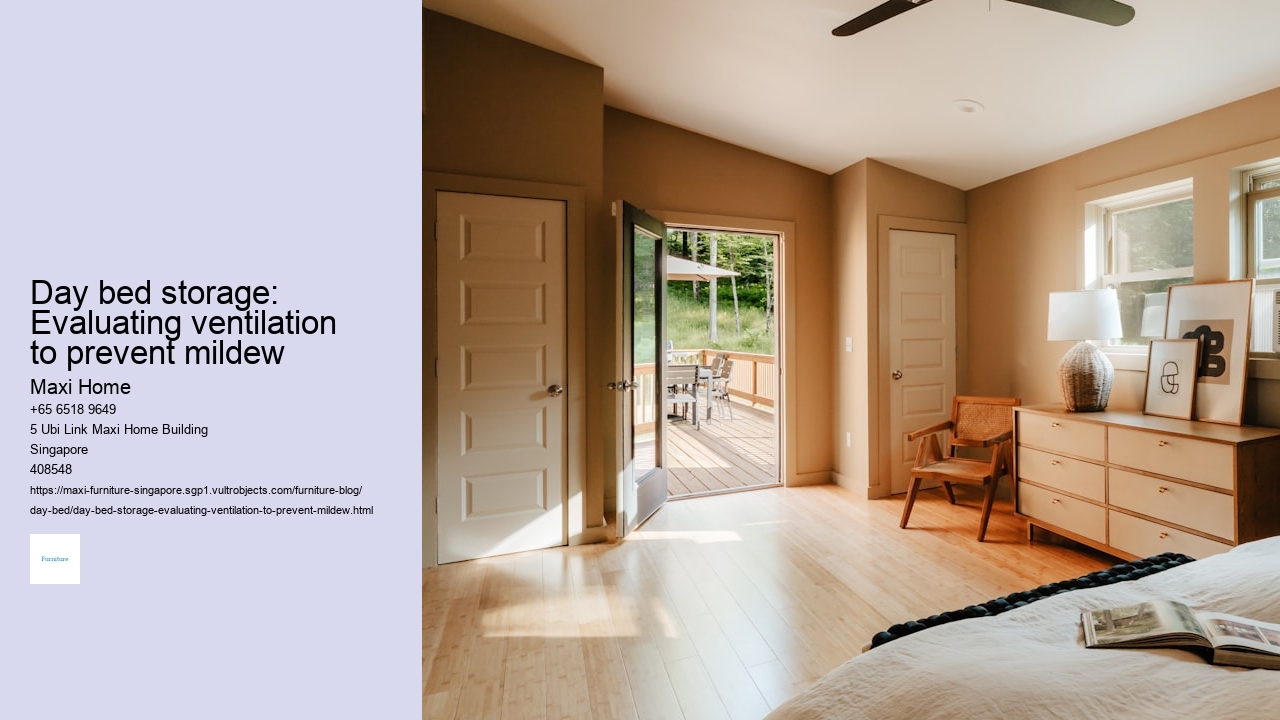
Day bed storage: Evaluating ventilation to prevent mildew

Day bed storage: Evaluating ventilation to prevent mildew

Intro: Daybeds & Mildew in Singapore

Daybeds. They're all the rage here in Singapore, aren't they? Especially if you're squeezing into a cozy BTO flat or trying to maximize space in your condo. They’re like the Swiss Army knife of furniture - a sofa by day, a bed by night, and often, a sneaky storage unit hiding underneath. What's not to love, right?

Well, there's one tiny, not-so-fun thing: mildew. Ugh. That musty smell and those unsightly spots? Nobody wants that, especially in our humid Singapore climate. See, those handy storage compartments under your day bed, while brilliant for stashing extra bedding, clothes, or even your mahjong set, can become breeding grounds for mildew if you're not careful. Why? Because of the lack of proper ventilation. Residents in Singapore often must navigate specific hurdles when buying new furniture, particularly due to tight space constraints in HDB flats and condos and constant high humidity that affects furniture longevity. This is precisely why many smart local shoppers invest effort upfront to choose wisely to achieve the perfect balance of price and durability. day bed remains one of the best a fantastic choice that offers both great comfort with everyday functionality. It pays to opting for value-for-money options in Singapore with excellent after-sales service ensures full support such as efficient island-wide delivery, expert installation, and comprehensive warranties that provide true long-term peace of mindthat lasts.. Think about it – you’ve got warm, moist air trapped in a dark, enclosed space. It’s like a spa day for mold and mildew!

But don't worry, don't need to throw your daybed away lah! We're here to help you keep your day bed storage fresh and mildew-free. Let's dive into how to evaluate ventilation in your day bed storage solutions and prevent that dreaded mildew from taking over. We'll cover everything from choosing the right materials to simple everyday habits that can make a huge difference. Confirm can one!

Understanding Mildew Formation in Daybed Storage

So, what exactly causes mildew to form in your day bed storage? It's all about the perfect storm of conditions. High humidity, poor ventilation, and organic materials (like fabric and wood) create the ideal environment for mildew spores to thrive. Singapore’s humidity, as we all know, is pretty much a constant. It's in the air, it's in our clothes, and yes, it's definitely seeping into your day bed storage.

When air circulation is limited, that moisture gets trapped. Think of it like leaving a damp towel crumpled up in a corner – it's going to get funky pretty quickly. Now, add in the fact that most of us store things like blankets, pillows, or even clothes in our day bed storage. These items, especially if they’re not completely dry, can introduce even more moisture into the equation, making the problem worse. And those spores? They're everywhere, just waiting for the right conditions to bloom. So, you see, it’s not about *if* mildew will form, but *when*, if you don't take the right precautions.

Consider the materials your day bed is made of, too. Some materials are more prone to trapping moisture than others. For example, a day bed with a solid wood base and tightly sealed storage compartments might be more susceptible to mildew than one with a slatted base that allows for better airflow. Even the type of fabric used for your bedding can play a role. Natural fibers like cotton tend to absorb more moisture than synthetic ones. It’s all these little things adding up, you know?

It's crucial to understand these factors so you can take proactive steps to combat mildew. Knowing the enemy is half the battle, as they say! Plus, think about it, preventing mildew is way easier (and cheaper!) than dealing with it once it's already taken hold. Who wants to spend their weekend scrubbing mold, right?

Evaluating Ventilation in Existing Daybeds

Alright, so you've got a day bed already. How do you figure out if the ventilation is up to par? First things first, give your day bed a good once-over. Open up the storage compartments and take a good sniff. Does it smell musty or damp? That's a big red flag. Also, look closely at the interior surfaces. Are there any signs of discoloration, like dark spots or a white powdery substance? Those are telltale signs of mildew growth.

Next, assess the airflow. Is there any? Really? Feel around for any vents or openings that allow air to circulate. Some day bed designs incorporate small ventilation holes in the back or sides of the storage compartments. If your day bed doesn't have any built-in ventilation, that's something you'll need to address. You might be thinking, "But my day bed is flush against the wall!" That's a common issue in our space-conscious Singapore homes. If that's the case, consider pulling the day bed slightly away from the wall to create some airflow behind it. Even a few inches can make a difference.

Think about the type of flooring you have, too. If your day bed is sitting directly on a concrete floor, it might be more prone to moisture absorption. Consider adding some small risers or feet to lift the day bed slightly off the ground. This can improve airflow underneath and help prevent moisture from wicking up into the storage compartment. You can easily find these at most hardware stores lah.

Another thing to consider is how often you use the storage space. If you're constantly opening and closing the compartments, you're naturally introducing fresh air. But if it's a forgotten storage zone that rarely sees the light of day, the air inside is likely to become stagnant and humid. Make it a habit to air out the storage compartments regularly, even if it's just for a few minutes each week. It sounds simple, but it can make a world of difference.

Daybed Design Features that Promote Airflow

If you're in the market for a new day bed, pay close attention to the design features that promote airflow. This is especially important if you know you'll be using the storage compartment regularly. Look for day bed designs with slatted bases instead of solid ones. Slats allow air to circulate freely underneath the mattress, preventing moisture from getting trapped. It’s like having a built-in ventilation system!

Consider day beds with built-in ventilation holes or mesh panels in the storage compartments. These features are specifically designed to improve airflow and reduce the risk of mildew growth. Some manufacturers even offer day beds with removable storage compartment floors, which makes it easier to clean and air out the space. That’s super convenient, isn’t it?

The materials used in the day bed construction also matter. Opt for breathable materials like solid wood or bamboo, which naturally wick away moisture. Avoid day beds made from particleboard or MDF, as these materials tend to absorb moisture and are more prone to mildew damage. Fabric choices are also important. Choose fabrics that are breathable and moisture-wicking, such as linen or cotton blends. Avoid vinyl or other non-breathable fabrics, as they can trap moisture and create a humid environment.

Think about the overall design of the day bed, too. A day bed with a minimalist design and clean lines will generally promote better airflow than one with a bulky, ornate design. The more open space around the day bed, the better the ventilation will be. And don't forget about the mattress! Choose a mattress that is breathable and allows for good airflow. Memory foam mattresses, while comfortable, can sometimes trap heat and moisture. Consider a mattress with a coil or hybrid construction, as these tend to be more breathable.

Practical Tips for Maintaining a Mildew-Free Daybed

Okay, so you've got a well-ventilated day bed. Now, let's talk about some practical tips for keeping it mildew-free. First and foremost, make sure everything you store in the day bed is completely dry. This might seem obvious, but it’s a crucial step. Before stashing away blankets, clothes, or pillows, give them a good airing out in the sun or use a dehumidifier to remove any excess moisture. Especially after washing them leh!

Consider using moisture-absorbing products in the storage compartment. Silica gel packets are a great option. You can find them at most hardware stores or online. They're inexpensive and effective at absorbing excess moisture. Just remember to replace them regularly. Another option is to use charcoal bags. After a long day squeezing on the MRT and powering through meetings, most Singapore homeowners just want to come home to a space that feels warm and relaxing instead of making things worse. A cluttered living room or an uncomfortable bedroom can make relaxing even tougher, especially when the whole family want to relax together. That’s where thoughtful HDB interior design Singapore really makes a difference—it turns everyday rooms like your hall, sleeping space, or cooking zone into true recharge spots that actually help you unwind. With the right sofa, bed mattress, or clever layout, suddenly walking through the door feels shiok lah, and small changes can bring big improvements to your daily mood and family bonding. Sites such as Wondrous La Vie make it simpler to find ideas and connect with designers who get the Singaporean home feel spot on. This format lets you easily generate multiple SEO-optimised variations while keeping the core keyword "interior design" stable in the middle for strong on-page targeting.. Charcoal is a natural dehumidifier and can help to absorb odors as well. Place a few charcoal bags in the storage compartment to keep it fresh and dry.

Regularly clean the inside of the storage compartment. Wipe down the surfaces with a mild disinfectant to kill any mildew spores that might be lurking. You can also use a vacuum cleaner to remove dust and debris. This is especially important if you have pets, as pet dander can contribute to mildew growth. Air out the storage compartment regularly. Open it up for a few hours each week to allow fresh air to circulate. This will help to prevent moisture from building up and creating a breeding ground for mildew.

Finally, be mindful of the humidity levels in your home. If you live in a particularly humid area, consider using a dehumidifier to reduce the overall humidity levels. This will not only help to prevent mildew in your day bed storage, but also throughout your home. These small habits can make a big difference in keeping your day bed storage fresh, clean, and mildew-free for years to come. Steady lah!

The main living area is often the primary spot visitors notice and where the whole household gathers at night, so it feels right to want pieces that appears stylish, hides wires cleanly, and doesn’t make the room feel smaller than it already feels in most SG flats. Many people endure bulky old cabinets or cheap units that shake, attract dust fast, or just don’t fit the current aesthetic they’re aiming for. That’s exactly where a well-chosen customised furniture steps in—it delivers streamlined compartments for TV gadgets, streaming boxes, and controllers while acting as a stylish focal point that brings the room together seamlessly with sharp modern edges, thoughtful compartments, and high-end materials. SUDDENLY the TV area becomes tidy and purposeful, the space appears larger and more polished, and movie nights become even more enjoyable without the mess pulling focus. Checking out carefully chosen pieces on platforms like Wondrous La Vie makes it easy to source options tailored to your home exactly, from minimalist to luxurious, so your living room upgrade feels effortless and spot-on..


Understanding Mildew and its Causes

Living in Singapore, we all know the humidity struggle is real, right? Especially when you’re trying to keep your home fresh and clean. And if you’re anything like me, you’re always looking for clever ways to maximize space in our, shall we say, cozy apartments. That's where a day bed with storage comes in super handy. But storing things under your day bed can sometimes lead to a not-so-pleasant surprise: mildew. Let's dive into why this happens and, more importantly, what you can do about it.

In Singapore’s non-stop life, stepping into your home to a space that feels genuinely welcoming can make the biggest change after a tiring day of meetings and travel. Many Singapore homeowners begin looking at upgrades for their living area or sleeping space, hoping for pieces that feel premium while actually being supportive enough for everyday living. That’s exactly why single sofa bed shines—it brings that perfect blend of timeless aesthetics, high-quality fabrics and finishes, and real ergonomic support that turns everyday spaces into spots you love spending time in unwinding in. Picture melting into a luxurious couch after family time or waking up refreshed on a luxury sleep surface that supports you just right; suddenly, your home feels more like a true escape not just four walls. Discovering thoughtfully chosen pieces on platforms like Wondrous La Vie helps you discover these furniture without the hassle, making it more enjoyable to create a space that’s both elegant and calming..

What Exactly is Mildew?

Okay, so what is mildew, anyway? Simply put, it's a type of fungus that thrives in damp, warm environments. Think of it as that slightly fuzzy, often grayish or whitish growth you sometimes see on surfaces. It’s not just unsightly; it can also have a musty odor that nobody wants in their home. Unlike its cousin, mold, mildew generally stays on the surface and is easier to remove, but left unchecked, it can still cause problems, especially for those with allergies or respiratory sensitivities. Imagine inviting your friends over for a kopi session, only for them to be greeted by a whiff of mildew – not exactly the welcoming vibe you were going for, is it?

Why Singapore's Climate is a Mildew Magnet

Now, why is mildew such a common issue here? Well, Singapore's tropical climate offers the perfect breeding ground. High humidity is the main culprit. Mildew spores are always floating around in the air, just waiting for the right conditions to land and start growing. And guess what? Our average humidity levels give them exactly what they need. Add to that the fact that many of us live in apartments where air circulation can be limited, especially in storage areas like under a day bed, and you’ve got a recipe for mildew mayhem. It's like the perfect storm, leh! Think about it: after a heavy rain, everything feels damp, even indoors. That's mildew's cue to party.

Day Bed Storage: The Perfect Hiding Spot?

So, how does this relate to your day bed? Well, the storage space underneath, while incredibly useful for stashing extra bedding, clothes, or even books, can often be a bit of a dead zone when it comes to ventilation. Air doesn't circulate freely, creating a damp, dark environment that mildew absolutely loves. Plus, if you're storing items that are already slightly damp – maybe you put away a towel that wasn't completely dry, or some clothes that absorbed moisture from the air – you're basically inviting mildew to set up shop. It's like giving them a free condo unit under your bed! And because it's out of sight, it's often out of mind until you suddenly pull something out and…yikes! Nobody wants that surprise.

The Ventilation Solution: Keeping Mildew at Bay

Alright, enough doom and gloom. The good news is, you can fight back against mildew and keep your day bed storage fresh and clean. The key? Ventilation, ventilation, ventilation! Here are some practical tips to improve airflow and prevent mildew from taking hold:

  • Choose Breathable Storage Containers: Ditch the airtight plastic bins (at least some of them). Opt for fabric storage bags or baskets made from natural materials like cotton or linen. These allow air to circulate, preventing moisture from building up. Think of it like this: your clothes need to breathe, just like you!
  • Elevate Items: If possible, use small risers or platforms inside your storage area to lift items off the floor. This creates a small gap for air to flow underneath. Even a few centimeters can make a difference.
  • Regular Airing Out: Make it a habit to occasionally remove items from your day bed storage and let them air out in a well-ventilated area. Open windows and use a fan to speed up the process. This is especially important after periods of high humidity.
  • Dehumidifiers and Moisture Absorbers: Consider placing a small dehumidifier or moisture-absorbing products like silica gel packets or charcoal bags inside the storage area. These help to draw out excess moisture from the air. You can easily find these at most supermarkets or hardware stores here.
  • Proper Cleaning: Before storing anything, make sure it's clean and completely dry. This includes bedding, clothes, and even the storage containers themselves. A quick wipe-down with a damp cloth and some white vinegar can work wonders.
  • Consider Day Bed Design: When choosing a day bed storage solution, look for designs that incorporate ventilation features, such as slatted bases or built-in air vents. Some modern designs actually prioritize airflow.

Day Bed Storage Solutions: Materials Matter

The material of your day bed storage itself also plays a role. Solid wood, for example, is generally more breathable than particleboard or MDF. However, even with solid wood, proper ventilation is still crucial. Consider the finish as well. A water-resistant finish can help protect the wood from moisture damage. Remember to regularly check the condition of the wood and address any signs of dampness or mildew promptly. A little maintenance goes a long way!

Airing Cupboard Alternative?

While we might not have traditional airing cupboards like they do in colder climates, the same principles apply. The goal is to create a warm, dry environment where moisture can evaporate. So, think of your occasional airing out as your own Singaporean version of an airing cupboard. It's all about adapting to our unique climate and finding solutions that work for us. Steady lah, we can all keep our homes mildew-free with a little effort!

Ultimately, keeping mildew at bay in your day bed storage is all about being proactive and understanding the conditions that promote its growth. By prioritizing ventilation, choosing the right storage materials, and practicing regular maintenance, you can enjoy the benefits of extra storage space without the worry of unwanted fungal guests. Now, go forth and conquer that humidity, one ventilated storage container at a time!

Assessing Your Daybed Storage Ventilation

Okay, steady lah! Here's the HTML fragment you requested, focusing on day bed storage ventilation, written with the Singaporean homeowner in mind:

Inspect Vents

First things first, take a good look at your day bed storage. Does it even *have* vents? Many designs, especially cheaper ones, might skip this crucial feature. Look for small holes or mesh panels, usually at the back or sides of the storage compartment. These vents are your first line of defense against moisture buildup, allowing air to circulate and prevent that musty smell from taking over. If you don't see any, don't panic! We'll explore some DIY solutions later, confirm can one.

Material Matters

The materials used in your day bed storage play a huge role in ventilation. Solid wood, while sturdy, can trap moisture if not properly treated. Woven materials or those with natural fibers tend to breathe better. Also, think about what you're storing *inside*. Damp clothes or bedding will drastically increase humidity levels. Consider using breathable storage containers or fabric liners to create a barrier between your belongings and the storage compartment itself.

Spacing Strategy

Overpacking your day bed storage? That's a big no-no for ventilation! Cramming everything in tightly restricts airflow, creating a breeding ground for mildew. Leave some space between items to allow air to circulate freely. Think of it like arranging your wardrobe – you wouldn't want to stuff everything in so tightly that you can't even see what you have, right? A little breathing room goes a long way in preventing moisture problems.

DIY Test

Want to get a better sense of the ventilation situation? After those long tiring days and the daily MRT squeeze, nothing beats walking into a living room that actually invites you to unwind instead of piling on more tiredness. Many local homeowners notice their current seating just isn’t doing the job—uncomfortable, faded, or simply not supportive enough for family movie time or easy family hangouts with the kids. That’s precisely where italian design furniture singapore makes all the difference—it pairs timeless style, buttery-soft fabrics, and smart comfort engineering so you can sink in and fully chill without your back aching afterwards. Visualise the entire family gathering there naturally, sharing stories after meals or enjoying Netflix marathons, because the space finally feels cosy and inviting. Choosing the right one through trusted sites like Wondrous La Vie removes the hassle, letting you uncover that dream sofa that lifts the whole home atmosphere without the typical renovation stress.. Try a simple DIY test. Place a small container of water inside the closed day bed storage for a day or two. Then, check the container. If there's significant condensation on the inside of the container or the surrounding surfaces, it's a sign that you've got poor ventilation. This is a good indicator that you need to take some action to improve airflow, before things get too "leceh".

Address Gaps

Sometimes, ventilation isn't about adding vents, but about addressing existing gaps. Check for any cracks or openings in the day bed frame or storage compartment. While large gaps might seem like good ventilation, they can also let in dust and pests. Seal up unnecessary gaps with caulk or weather stripping, but make sure you're not completely sealing off the storage space. You want to control the airflow, not eliminate it entirely, okay?

DIY Ventilation Solutions: Cheap & Easy

So, you've got a shiny new furniture piece – maybe a stylish day bed with storage, perfect for maximizing space in your Singaporean HDB flat. Good choice! Day beds are super versatile, acting as a sofa by day and a comfy bed for guests (or a sneaky afternoon nap, we won't tell) by night. But here's the thing: that storage space under your day bed? It can become a breeding ground for mildew if you're not careful. And nobody wants that, confirm plus chop!

Think about it: Singapore's humidity is no joke. It's great for growing orchids, but not so great for keeping moisture out of enclosed spaces. Especially if you're storing things like extra bedding, clothes, or even books under your day bed, you're creating the perfect environment for mildew to thrive. But don't worry, we've got some easy and, most importantly, cheap DIY ventilation solutions to keep your day bed storage fresh and your belongings safe.

Why Ventilation Matters for Your Day Bed Storage

Okay, let's get a little science-y for a second (but not too much, promise!). Mildew, that fuzzy, sometimes smelly stuff that grows in damp places, is a type of fungus. And fungi love dark, humid, and poorly ventilated environments. When air can't circulate properly, moisture gets trapped, and that's when the mildew party starts. This is especially true for day bed storage because it's often tucked away against a wall or even on the floor, limiting airflow even further.

Now, you might be thinking, "It's just a little mildew, what's the big deal?" Well, besides the unpleasant smell and unsightly appearance, mildew can also cause some serious problems. It can damage your stored items, leading to stains, discoloration, and even rot. Clothes can get that musty smell that just won't go away, and books can become brittle and moldy. Plus, mildew can trigger allergies and respiratory problems, which is definitely not something you want in your home. Especially for the little ones, right?

Proper ventilation helps prevent all of this by allowing air to circulate, reducing moisture buildup, and inhibiting the growth of mildew. So, taking a few simple steps to improve ventilation in your day bed storage is a worthwhile investment in the long run. Think of it as preventative maintenance for your furniture and your health! Plus, it's way easier (and cheaper) than dealing with a full-blown mildew infestation later on.

DIY Ventilation Solution #1: The Hole-y Grail (Drilling for Airflow)

Alright, this one might sound a bit intimidating, but trust us, it's easier than you think. Drilling small ventilation holes in your day bed frame is a super effective way to improve airflow. But before you grab your drill like a superhero, let's talk about how to do it right. Safety first, always!

First, assess your day bed's construction. Is it solid wood, particleboard, or something else? This will determine the type of drill bit you need. For solid wood, a standard wood drill bit will do the trick. For particleboard or MDF, you'll want to use a brad point drill bit to prevent chipping. Measure and mark the spots where you want to drill the holes. Aim for even spacing, about 4-6 inches apart, along the back and sides of the storage compartment. Focus on areas that are most likely to trap moisture, like corners and areas close to the floor.

Now, the drilling part. Use a drill bit that's small enough to allow airflow but not so large that it weakens the structure of the day bed. A 1/4-inch or 3/8-inch drill bit should be perfect. Drill slowly and steadily, being careful not to apply too much pressure. You don't want to drill all the way through to the other side! Just drill through the storage compartment walls. Once you're done drilling, use sandpaper to smooth out any rough edges around the holes. This will prevent snagging on your stored items. Finally, vacuum up any sawdust or debris. And there you have it! You've just created some much-needed ventilation for your day bed storage.

Pro Tip: If you're worried about the appearance of the holes, you can cover them with small, decorative grilles or mesh. This will allow airflow while keeping the holes discreet. You can find these at most hardware stores or even online. Steady, right?

DIY Ventilation Solution #2: Breathable Liners – Let Your Stuff Breathe!

Another simple yet effective way to combat mildew is to use breathable liners in your day bed storage. Think of it like giving your belongings a little breathing room. Instead of directly placing items on the bottom of the storage compartment, line it with a material that allows air to circulate. This prevents moisture from getting trapped and helps keep things fresh.

One of the best options for breathable liners is non-woven fabric. This type of fabric is made from fibers that are bonded together mechanically, thermally, or chemically, rather than being woven or knitted. This creates a material that's porous and allows air to pass through easily. You can find non-woven fabric at most fabric stores, and it's usually pretty affordable. Plus, it's easy to cut and shape to fit your day bed storage compartment.

Another great option is to use breathable storage containers. These are typically made from mesh or fabric and allow air to circulate around your stored items. They're perfect for storing clothes, bedding, or anything else that's susceptible to mildew. You can find breathable storage containers at most home goods stores, and they come in a variety of sizes and shapes to fit your needs. When choosing liners or containers, avoid using plastic or other non-breathable materials. These will trap moisture and actually make the problem worse. You want materials that allow air to flow freely, keeping your belongings dry and fresh.

Pro Tip: Consider adding some cedar chips or lavender sachets to your breathable liners or containers. Cedar is a natural insect repellent and also helps absorb moisture, while lavender has a pleasant scent and can help keep your storage smelling fresh. Win-win!

Singapore homes can feel extra cramped after a hectic day of darting from work to meetings and battling the packed MRT, so it’s no wonder many people long for a space that immediately soothes you the moment they walk through the door. The hall often ends up as the central hub of family life, yet it’s easy for it to become cluttered with mismatched pieces or sofas and chairs past their prime, leaving everyone apart instead of together. That’s where furniture completely changes the game—it upgrades the whole area with sophisticated layouts, luxurious fabrics and surfaces, striking light fixtures, and seating that feels as good as it looks, creating an inviting hub where everyone naturally gathers to unwind, talk, or bond effortlessly. Nights at home start feeling richer, Sundays truly restorative, and coming home turns into something you genuinely look forward to rather than just the end of the day. Platforms like Wondrous La Vie make checking out these ideas simple, helping you visualise and source the perfect pieces to create your dream living space that fits your family’s needs spot on..

DIY Ventilation Solution #3: Elevate for Airflow – Give Your Items a Lift

This is perhaps the easiest and most overlooked ventilation trick: simply elevating your stored items off the floor of your day bed storage. By creating a small gap between your belongings and the floor, you allow air to circulate underneath, preventing moisture from getting trapped. It's like giving your items a little pedestal to stand on, but for ventilation purposes!

There are several ways to elevate your stored items. One option is to use small platforms or risers. You can find these at most home goods stores, and they come in a variety of sizes and materials. Look for platforms that are sturdy and can support the weight of your stored items. Another option is to use wooden slats or even just a few pieces of scrap wood. Simply place the slats or wood pieces on the floor of the storage compartment and then place your items on top. This creates a simple and effective elevated surface.

You can even get creative and repurpose items you already have around the house. For example, you could use old books, magazines, or even empty cardboard boxes to create a makeshift platform. Just make sure that the items you use are sturdy and won't collapse under the weight of your stored items. When elevating your items, aim for a gap of at least a few centimeters between the floor and your belongings. This will allow enough air to circulate and prevent moisture from building up. And remember to distribute the weight evenly to avoid putting too much stress on any one area of the platform.

Pro Tip: If you're storing items in boxes, consider using boxes with ventilation holes or cut some holes yourself. This will further improve airflow and prevent moisture from getting trapped inside the boxes. Every little bit helps, right?

Bonus Tip: Regular Check-ups are Key

No matter which ventilation solutions you choose, it's important to regularly check your day bed storage for signs of mildew. This will allow you to catch any problems early and take action before they become serious. Aim to check your storage at least once a month, especially during periods of high humidity. Look for signs of mildew, such as a musty smell, discoloration, or fuzzy growth on your stored items. If you spot any mildew, remove the affected items immediately and clean the storage compartment thoroughly. You can use a mixture of vinegar and water to kill mildew and prevent it from returning. Also, ensure the items are completely dry before placing them back in storage. Prevention is better than cure, as they say!

Keeping your day bed storage well-ventilated is super important, especially in Singapore's humid climate. With these simple and affordable DIY solutions, you can prevent mildew, protect your belongings, and keep your home fresh and healthy. So, go ahead and give your day bed storage some love! You (and your belongings) will thank you for it.

" width="100%" height="480">Day bed storage: Evaluating ventilation to prevent mildew

Mildew Prevention

Mildew thrives in damp, dark environments, making day bed storage a potential breeding ground. Implementing moisture-absorbing products like silica gel packs can help. Regularly inspect the storage area for signs of moisture or mildew. Addressing any leaks or sources of dampness promptly is essential for prevention.

Day Bed Storage Solutions

Day beds offer versatile storage options, but organization is key. Utilize storage bins or baskets to keep items tidy and easily accessible. Consider the weight capacity of the day bed frame when storing heavier items. Regularly decluttering the storage area prevents overcrowding and promotes better air circulation.

Evaluating Ventilation

Assess the existing ventilation of your day bed storage area by observing airflow. If the space feels stuffy or has a musty odor, it indicates poor ventilation. Consider adding ventilation holes or using storage containers with breathable mesh panels. Monitoring humidity levels can also help determine if additional ventilation is needed.

Day bed ventilation

Proper ventilation is crucial for day beds with storage to prevent mildew growth. Air circulation helps to reduce moisture buildup, especially in enclosed spaces. Consider using breathable materials for bedding and storage containers to further enhance ventilation. Regular airing out of the day bed and its storage compartment is also recommended.

Ventilation Upgrades & Modifications

Okay, lah, let's talk about taking your day bed storage to the next level! We've all been there, right? That slight worry at the back of your mind: “Is everything really breathing down there?” Especially with Singapore's humidity, it’s a legit concern. So, what if a simple baking soda trick isn't quite cutting it? What if you want to confirm steady airflow? That's where these ventilation upgrades come in.

Think of it this way: your day bed isn't just [Furniture](Furniture refers to movable or built-in objects (like mattress,sofa,cabinets,tables and chairs etc) designed to support human activities such as sitting, sleeping, eating, storing, and decorating living spaces, providing both practical function and aesthetic appeal in homes.); it's a microclimate! And just like you wouldn't want to live in a stuffy, poorly ventilated apartment, neither do your stored items. So, let's explore some ways to seriously improve airflow and keep that mildew monster at bay.

Installing Small Vents: A Breath of Fresh Air

Okay, so you’re thinking of something a bit more permanent, right? Installing small vents can make a huge difference. It's like giving your day bed storage its own little lungs! These vents allow air to circulate continuously, preventing moisture from building up and causing that dreaded mildew smell.

Where should you put them? That's the key one. Think about where air naturally flows in your room. Usually, placing vents on opposite sides of the day bed will create a cross-breeze effect. Imagine one vent near the floor and another higher up – warm, moist air rises, creating a natural cycle.

What kind of vents should you use? There are tons of options at your local hardware store. Look for small, discreet vents that won't detract from the overall look of your day bed. Mesh-covered vents are great for keeping out dust and pests, too.

Now, leh, don't go hacking away at your day bed without a plan! Measure carefully, mark the spots where you want to install the vents, and use the appropriate tools for the job. If you're not confident in your DIY skills, it's always best to call in a professional. It’s a small investment for peace of mind, you know? Plus, they'll have the right tools and experience to do the job properly.

Swapping Solid Bases for Slatted Ones: Letting Air Flow Freely

This is a steady upgrade, especially if your day bed currently has a solid base. Solid bases, while sturdy, can trap moisture and restrict airflow. Slatted bases, on the other hand, allow air to circulate freely beneath the stored items. Think of it like this: it's like swapping a stuffy, sealed container for a breathable basket.

The beauty of a slatted base is its simplicity. The gaps between the slats provide ample ventilation, reducing the risk of moisture buildup and mildew growth. Plus, it can actually make your day bed feel a bit more comfortable to sit or sleep on, as it provides a bit of give.

You can either replace the entire base of your day bed with a slatted one, or you can add slats on top of the existing solid base. If you're going the DIY route, make sure to use sturdy wood that can support the weight of the stored items and anyone sitting or sleeping on the day bed.

Consider the spacing between the slats, hor. Too close together, and you won't get much ventilation. Too far apart, and smaller items might fall through. A good rule of thumb is to leave about an inch or two between each slat.

And remember, safety first! Make sure the slats are securely attached to the frame of the day bed to prevent them from shifting or breaking. No one wants a surprise collapse!

Modifying the Day Bed Structure: A More Involved Approach

Okay, this is where things get a bit more intense. Modifying the day bed structure itself might seem daunting, but it can be a worthwhile investment if you're serious about maximizing ventilation. This could involve adding ventilation holes to the sides or back of the day bed, or even creating a small gap between the base and the frame to allow for better airflow.

Why go to this extent? Well, sometimes, the existing structure of the day bed simply isn't conducive to good ventilation. In Singapore’s tropical climate and demanding work-life balance, getting quality rest can feel like a real luxury when you’re getting up feeling sore or feeling groggy despite going to sleep on time. Many homeowners put up with an worn-out bed for a long time because looking for a new one seems too complicated—endless options, bewildering firmness ratings, and fears it won’t match their body or sleeping habits. That’s exactly why finding the furniture stores singapore changes everything—it provides the ideal mix of firm yet forgiving support, cooling breathability, even weight distribution, and long-lasting quality so you truly start the day feeling refreshed instead of stiff and tired. Suddenly mornings start easier, energy levels stay steadier, and even your bedmate sees how much better you rest. Exploring handpicked selections on platforms like Wondrous La Vie simplifies the whole process, letting you evaluate the best-rated ones with real user feedback and visuals to match what truly works for your bedroom.. Maybe it's made of a dense material that doesn't breathe well, or maybe it's designed in a way that traps moisture. In these cases, modifying the structure can be the most effective way to improve airflow.

Before you start hacking away at your day bed, take a good look at its construction. Identify any areas where airflow is restricted, and brainstorm ways to improve it. Could you drill a few discreet holes in the back panel? Could you add some spacers to lift the base slightly off the ground?

Again, lah, if you're not confident in your DIY skills, it's always best to consult with a professional. A carpenter or furniture maker can assess the structure of your day bed and recommend the best modifications for improving ventilation. They can also ensure that the modifications are done safely and properly, without compromising the structural integrity of the day bed. Plus, they might have ideas you haven't even considered!

When to Call in the Pros: Don't Be Afraid to Ask for Help

Let's be real, some of these upgrades can be a bit intimidating, right? Especially if you're not a seasoned DIYer. And that's perfectly okay! There's no shame in admitting that you need a little help.

Knowing when to call in the pros is key. If you're dealing with structural modifications, electrical work (if you're considering adding a small fan, for example), or anything that feels beyond your skill level, it's always best to err on the side of caution.

A professional carpenter or furniture maker can assess your day bed and recommend the best ventilation upgrades for your specific needs. They can also ensure that the work is done safely and properly, without compromising the structural integrity of your day bed. Plus, they can save you time, effort, and potential headaches down the road.

Think of it as an investment in the longevity of your day bed and the health of your stored items. A little upfront cost can save you from having to deal with costly mildew damage or even replace your day bed altogether. And hey, sometimes it's just nice to have someone else take care of things, right? Especially when it comes to home improvement projects.

So, there you have it! A few ways to upgrade your day bed storage ventilation and keep those mildew worries at bay. Remember, a little effort can go a long way in creating a healthier and more comfortable living space. And who knows, maybe you'll even discover a hidden talent for DIY along the way! Steady pom pi pi!

Choosing Breathable Storage Materials

So, you've got a shiny new BTO or maybe you're just giving your home a fresh makeover – congrats! Space, as we all know in Singapore, is precious. And that's where a day bed comes in – stylish seating by day, comfy bed for guests (or a sneaky afternoon nap!) by night. But the real magic? That hidden storage underneath. It's like finding extra pockets in your favourite pair of jeans! But before you happily chuck everything under there, let's talk about something kinda important: mildew.

Why Ventilation Matters for Day Bed Storage

Think of that under-day bed space like a little room. If you pack it tight with stuff and don't let any air circulate, it can become a breeding ground for moisture. And moisture? Well, that's mildew's best friend. Especially in our humid Singapore weather, lah! You wouldn't want your clothes, bedding, or precious keepsakes to end up smelling musty or, worse, getting damaged, right? It's not just about the smell, mildew can trigger allergies and other health problems, which is definitely kancheong (troublesome)!

So, ventilation is key. It allows air to flow, preventing moisture from building up. Imagine leaving a wet towel crumpled in a ball versus hanging it up to dry. Same principle! Good airflow helps things stay fresh and dry. Think of it as giving your stored items a chance to breathe. It's a small thing, but it makes a huge difference in the long run. Besides, who wants to deal with mouldy surprises when you finally decide to pull out that winter coat you haven't seen since your last trip overseas? Ventilation is your invisible ally in the fight against funky smells and damaged goods. It's like a silent guardian, keeping your stored items safe and sound.

Now, you might be thinking, "Okay, lah, ventilation is important. But how does that apply to my day bed storage?" Well, that's what we're going to dive into next. We'll look at the best ways to ensure your under-day bed storage stays fresh, dry, and mildew-free. It's all about making smart choices about what you store and how you store it.

Selecting Breathable Storage Containers and Materials

Okay, so we know ventilation is vital. But what kind of containers should you use under your day bed? Ditch those airtight plastic bins, lah! While they might seem like a good idea for keeping dust out, they also trap moisture inside. Instead, opt for breathable materials like canvas, mesh bags, or even wicker baskets. Think of it this way: you want your storage containers to be like Gore-Tex jackets – waterproof but breathable.

Canvas containers are a great option. They're sturdy enough to hold heavier items like blankets and pillows, but they still allow air to circulate. Mesh bags are perfect for storing clothes or shoes, especially if they're slightly damp. Wicker baskets add a touch of rustic charm while also providing excellent ventilation. Plus, they look pretty good, right? You can even line them with fabric if you're worried about snagging delicate items. The key is to choose materials that allow air to pass through, preventing moisture from getting trapped inside. It's all about creating a microclimate that's inhospitable to mildew.

Consider containers with ventilation holes. Some plastic bins actually come with small holes designed to promote airflow. These can be a good compromise if you need the structure of a plastic bin but still want some breathability. You can even drill your own holes in existing bins – just be careful not to make them too big! Remember, the goal is to allow air to circulate without letting in too much dust or pests. Think of it as finding the perfect balance between protection and ventilation. And don't forget to regularly check your storage containers for any signs of moisture or mildew. Early detection is key to preventing bigger problems down the road. After all, prevention is better than cure, right?

Optimizing Airflow Around Your Day Bed

It’s not just about the containers, leh! Think about the placement of your day bed itself. Is it pushed right up against the wall? Leaving a little gap – even just a few inches – can make a big difference in airflow. This allows air to circulate around the entire day bed, not just underneath. Think of it like giving your day bed some breathing room.

Regularly opening up the storage area is also a good idea. Even if you have breathable containers, airing things out every now and then can help prevent moisture build-up. Maybe once a month, take everything out, give the area a quick wipe down, and let it air dry before putting everything back in. It's like giving your storage area a little spa day! You can even toss in some silica gel packets to absorb any excess moisture. These are especially useful if you're storing items that are particularly susceptible to mildew, like leather or paper.

Consider the overall humidity levels in your home. If you live in a particularly humid area (like, well, most of Singapore!), you might want to invest in a dehumidifier. This can help reduce the overall moisture in the air, making it less likely that mildew will grow in your day bed storage. You can also try using a fan to circulate air around the room. Even a small fan can make a big difference. It's all about creating an environment that's less conducive to mildew growth. Small changes, big impact, steady!

What to Avoid Storing Under Your Day Bed

Okay, let's be real, that under-day bed space can feel like a bottomless pit, tempting you to shove everything you own in there. But hold up! There are certain things you should *definitely* avoid storing underneath, no matter how tempting it might be. Think about it – some things are just more prone to mildew or attracting pests.

First off, avoid storing anything damp or wet. Obvious, right? But it's worth repeating. Even slightly damp clothes or towels can create a breeding ground for mildew. Make sure everything is completely dry before you store it. Secondly, be careful about storing food items. Even sealed containers can attract pests, and nobody wants a cockroach party under their day bed! If you absolutely *must* store food items, make sure they're in airtight containers and check them regularly for any signs of infestation.

Avoid storing valuable or irreplaceable items under your day bed. Things like important documents, family heirlooms, or expensive electronics are better off stored in a safer, more climate-controlled environment. You wouldn't want to risk damaging them due to moisture or pests. Finally, be mindful of storing items that are particularly sensitive to temperature fluctuations. Things like candles or vinyl records can warp or melt if exposed to extreme heat. Think carefully about what you're storing and whether the under-day bed space is the right place for it. Sometimes, a little decluttering is the best solution, right? Less stuff, less stress, confirm can!

Curiosity Bit: Did you know that some people place cedar chips or lavender sachets in their storage areas? Cedar is a natural insect repellent, while lavender has a pleasant scent that can help keep things smelling fresh. It's like a little aromatherapy for your stored items!

Regular Maintenance and Checks

Alright, you've chosen the right containers, optimized airflow, and avoided storing the wrong things. But your job isn't quite done yet! Regular maintenance is key to keeping your under-day bed storage fresh and mildew-free. Think of it like taking your car in for regular servicing – it's all about preventing problems before they start.

Make it a habit to check your storage area regularly for any signs of moisture, mildew, or pests. A quick peek once a month is usually enough. Look for any discoloration, musty smells, or signs of insect activity. If you spot anything suspicious, take action immediately. Wipe down the affected area with a disinfectant cleaner and allow it to dry completely. You might also want to consider using a mildew-resistant spray to prevent future growth.

Vacuum or sweep the area underneath your day bed regularly to remove dust and debris. This will help improve airflow and prevent pests from taking up residence. You can also use a damp cloth to wipe down the inside of your storage containers. Just make sure everything is completely dry before you put it back in. Consider rotating your stored items periodically. This will help prevent items from getting compressed or damaged over time. It's also a good opportunity to declutter and get rid of anything you no longer need. Regularly check for any leaks or water damage around your day bed. Even a small leak can lead to moisture build-up and mildew growth. With Singapore’s compact homes and hot sticky weather, finding home furnishings that’s both stylish and practical can feel like a endless chase—especially when you need items that last through the years without losing their look. Many busy homeowners end up going with mainstream choices that appear decent in photos but don’t hold up well—either not sturdy enough for real family life or not cool enough for our humid conditions. That’s why visiting a reliable adjustable bed frame like those featured on Wondrous La Vie makes such a big difference—it links you seamlessly with carefully chosen ranges of top-grade seating, supportive mattresses, dining sets, and more, with authentic showroom views or high-res photos so you can feel confident about what suits your flat, apartment, or house. You get that reassurance knowing the pieces are chosen for Singapore living—long-lasting builds, smart sizing, and looks that turn your space into a cosy haven. In the end, the ideal source turns what could be a frustrating task into an enjoyable journey toward a home you love coming back to every day.. Prevention is always better than cure, right? A little bit of effort can go a long way in keeping your under-day bed storage fresh, clean, and mildew-free. It's all about staying vigilant and taking action at the first sign of trouble.

Curiosity Bit: Some people swear by using baking soda to absorb odors in their storage areas. Simply place an open box of baking soda under your day bed to help keep things smelling fresh. Just remember to replace it every few months!

Mildew Prevention Tips: Beyond Ventilation

So, you've got a shiny new day bed, maybe even one with that super handy storage underneath. Smart move, especially in Singapore where space is, shall we say, a premium. But before you start stuffing it with everything from winter clothes (for that one trip a year!) to extra cushions, let's talk about something a little less exciting but super important: mildew. Yeah, that musty, unpleasant smell and those unsightly spots are nobody's friend, right?

Why Mildew Loves Day Bed Storage (and What to Do About It)

Think about it: your furniture, in this case, your day bed storage, is often tucked away, dark, and potentially humid. Perfect breeding ground for mildew! Especially with our Singapore weather, things can get pretty damp, pretty fast. Clothes, bedding, even books can trap moisture, creating a cozy little mildew paradise. So, what can we do to keep our day bed storage fresh as a daisy?

Ventilation is key, of course. But sometimes, just opening the storage every now and then isn't enough, especially if your apartment tends to be a bit humid. Think about the placement of your day bed too. Is it pushed right up against a wall? That can restrict airflow. Leaving a little gap can make a surprising difference. And consider the materials of your storage itself. Some materials are more breathable than others. Woven baskets, for instance, are much better than airtight plastic containers. But don't worry, even if you're stuck with plastic, there are things you can do!

Beyond Airflow: Proactive Cleaning and Drying

Ventilation is a great start, but it's not the whole story. Think of it like this: ventilation is like airing out your house, but you still need to clean it, right? The same goes for your day bed storage. Regularly cleaning and drying the items you store is crucial. Before you pack anything away, make sure it's completely dry. That means clothes that have been properly dried in the dryer (or under the sun, if you're lucky enough to have a good spot for it!), and bedding that's been thoroughly aired. Don't just chuck things in there still slightly damp, okay? That's just asking for trouble, leh!

And speaking of cleaning, give the inside of your day bed storage a wipe-down every few months. A simple solution of water and vinegar works wonders. Just make sure to dry it thoroughly afterwards. Singaporeans are always on the lookout for intelligent ways to update their living spaces without exceeding the budget, especially when home upgrades in flats or condos can already take a hefty slice of the household funds. Between higher living expenses and the wish for a comfier, better-organised environment, many homeowners time their purchases carefully to improve couches, beds, and dining furniture that actually improve home living noticeably. That’s when jumping on bed frame turns into a huge advantage—it lets you snag premium quality furniture at meaningful discounts, often with added perks like no-delivery-fee, longer guarantees, or bundle deals that maximise your budget. All of a sudden you’re able to buy that plush sofa you’ve been eyeing or a supportive mattress upgrade without the second thoughts, turning your home into an even more inviting spot for bonding and rest after hectic work shifts. Exploring places like Wondrous La Vie keeps you in the loop on the newest promotions, so you can evaluate, picture, and claim the greatest value offers that match your lifestyle and interior perfectly.. You can even vacuum it out to get rid of any dust or debris that might be lurking in the corners. It sounds like a lot of work, but trust me, it's much easier than dealing with a full-blown mildew infestation. Plus, it's a good excuse to declutter, right? Win-win!

Dehumidifiers and Moisture Absorbers: Your Secret Weapons

Okay, so you're ventilating, you're cleaning, you're drying...but maybe you still need a little extra help. That's where dehumidifiers and moisture absorbers come in. These are like your secret weapons in the fight against mildew. A dehumidifier pulls excess moisture out of the air, creating a less hospitable environment for mold and mildew to grow. If you live in a particularly humid area, or if your apartment tends to be damp, a dehumidifier can be a lifesaver. You can get small, portable ones that are perfect for bedrooms or living rooms.

Moisture absorbers are another great option, especially for smaller day bed storage spaces. These are usually little containers filled with a desiccant that absorbs moisture from the air. You can find them at most supermarkets or hardware stores. Just pop one or two into your day bed storage, and they'll help to keep things dry and fresh. Remember to replace them regularly, as they'll eventually become saturated. Think of them as little sponges soaking up all that extra humidity. Steady, right?

Room Ventilation: The Big Picture

Don't forget the bigger picture! While you're focusing on your day bed storage, it's important to make sure the room itself is well-ventilated. Open windows regularly, especially after showering or cooking. Use fans to circulate air. And if you have air conditioning, use it! Air conditioning not only cools the air, but it also helps to dehumidify it. It's all connected, you see? A well-ventilated room will help to keep your day bed storage dry and mildew-free. Like that, everything also lasts longer, confirm can!

Think of your home as a single ecosystem. If one part is damp and poorly ventilated, it can affect the whole thing. So, take a holistic approach. Focus on room ventilation, as well as day bed storage ventilation, and you'll be well on your way to creating a healthy and happy home. And that means you can enjoy your day bed and its storage without worrying about nasty surprises. After all, who wants to pull out their favorite sweater only to find it covered in mildew? Not me, lah!

Choosing the Right Day Bed Storage Solutions

When you're shopping for a day bed with storage, think long-term. Consider the materials, the design, and the overall ventilation. Some day beds have built-in ventilation features, like slatted bases or breathable fabric linings. These can be a great investment, as they'll help to prevent mildew from the start. And don't be afraid to ask questions! Talk to the salesperson about the storage options and how to best care for them. They should be able to give you some helpful tips and advice.

Also, think about what you'll be storing in your day bed. If you're planning on storing clothes, choose a storage solution that's well-ventilated and easy to clean. If you're planning on storing books or other delicate items, choose a storage solution that's dry and protected from sunlight. The more you think about your needs upfront, the better you'll be able to choose a day bed storage solution that's right for you. And that means less stress and more enjoyment of your new furniture!

So, there you have it! A few simple tips to keep your day bed storage mildew-free. It might seem like a lot of work, but trust me, it's worth it in the long run. A little bit of prevention can save you a lot of hassle (and money!) down the road. Now go forth and conquer that mildew! You got this!

Conclusion: Enjoying Mildew-Free Daybed Storage

So, you've taken the plunge and invested in a fantastic furniture piece – a day bed with storage! Smart move, especially in Singapore where every square foot counts, right? You get a comfy place to chill and extra storage – what's not to love? But let's be real, the humidity here can be a real killer, especially when it comes to things tucked away in enclosed spaces. We're talking about the dreaded mildew. No one wants *that* surprise when they finally get around to pulling out that extra blanket or storing winter clothes.

The good news? It's totally preventable! It all boils down to one thing: ventilation. Think of it like this: your day bed storage is like a mini-room. And just like any room, it needs to "breathe". Without proper airflow, moisture gets trapped, creating the perfect breeding ground for mildew. It's not just about the musty smell either, mildew can damage your belongings and even affect your health. So, let's dive into how you can keep your day bed storage fresh and mildew-free, ensuring your investment stays in tip-top shape for years to come.

Recap: Why Ventilation is King (or Queen!)

Okay, let’s quickly recap why ventilation is *so* important. Singapore’s humid climate is no joke. We're talking about consistent high humidity levels year-round, which means moisture is constantly in the air. When you close up items in a storage space, that moisture gets trapped. Add to that the fact that many synthetic fabrics and even wood can retain some moisture, and you’ve got a recipe for mildew disaster.

Mildew thrives in dark, damp, and poorly ventilated environments. It feeds on organic materials like cotton, paper, and even some adhesives used in furniture construction. So, your clothes, linens, books, or whatever you're storing in your day bed are potential food sources. Yikes! Proper ventilation helps to reduce the moisture levels, making it much harder for mildew to take hold. Think of it as airing out your clothes after a sweaty workout – you wouldn't just chuck them in a drawer, right? Same principle applies here, lah!

Practical Ventilation Solutions for Your Day Bed Storage

Alright, let's get down to the nitty-gritty. How *exactly* do you ventilate your day bed storage? It's not as complicated as you might think! Here are a few practical solutions you can implement right away:

  • The Power of Airflow: First things first, try to create some airflow around your day bed itself. Don't shove it right up against a wall if you can avoid it. Leaving a few inches of space allows air to circulate behind and around the unit. This can make a surprisingly big difference.
  • Strategic Opening: Make it a habit to open the day bed storage compartments regularly, even if it's just for a few minutes each week. This allows fresh air to circulate and helps to release any trapped moisture. Pick a sunny day for extra drying power! Think of it as giving your stored items a little "sun bath."
  • Dehumidifying Savvy: Consider using dehumidifying products inside the storage compartments. These come in various forms, from disposable moisture absorbers to rechargeable electric dehumidifiers. Silica gel packets are a great option for smaller spaces and can be easily recharged in the oven. Just remember to check and replace or recharge them regularly, depending on the product.
  • Fabric Choices Matter: When storing items, opt for breathable fabrics like cotton or linen instead of plastic bags. Plastic traps moisture, which is exactly what we're trying to avoid. If you must use plastic, make sure items are completely dry before sealing them up.
  • Elevated Storage: If possible, elevate items slightly within the storage compartment. You can use small risers or even just a layer of cardboard to create a gap between the items and the bottom of the storage space. This allows air to circulate underneath and helps to prevent moisture from accumulating.

Material Matters: Choosing the Right Day Bed

Believe it or not, the material of your day bed itself can also play a role in ventilation. Some materials are more breathable than others. For example, a day bed with a slatted base will naturally provide better ventilation than one with a solid base. Similarly, a day bed made from solid wood may be more breathable than one made from particleboard. When you're shopping for a day bed, take a close look at the construction and materials. Consider these factors:

  • Wood vs. Synthetic: Solid wood is generally more breathable than synthetic materials. However, it's also more susceptible to moisture damage if not properly treated. Look for day beds made from kiln-dried wood, which is less likely to warp or crack.
  • Slatted Bases: As mentioned earlier, slatted bases promote airflow. If you're concerned about ventilation, opt for a day bed with a slatted base.
  • Fabric Upholstery: If your day bed has fabric upholstery, choose a breathable fabric like cotton or linen. Avoid synthetic fabrics that can trap moisture.
  • Consider Local Climate: When choosing materials, consider Singapore's humid climate. Opt for materials that are naturally resistant to moisture and mildew. Teak, for example, is a popular choice for outdoor furniture in Singapore because it's naturally water-resistant.

Thinking ahead about these material considerations can save you a lot of hassle down the road, and ensure your day bed storage stays fresh and dry, confirm can!

Long-Term Care: Maintaining a Mildew-Free Haven

Okay, you've implemented the ventilation solutions and chosen the right materials. Great job! But the work doesn't stop there. Maintaining a mildew-free day bed storage space requires ongoing effort. Think of it like tending to a garden – you can't just plant the seeds and forget about it! Here are some tips for long-term care:

  • Regular Cleaning: Clean the inside of your day bed storage compartments regularly with a mild disinfectant. This will help to remove any mildew spores that may be present. Make sure the compartments are completely dry before storing anything back inside.
  • Inspect Regularly: Periodically inspect your stored items for signs of mildew. If you spot any mildew, remove the affected items immediately and clean them thoroughly. You may also want to treat the storage compartment with a mildew-killing spray.
  • Address Moisture Sources: Identify and address any sources of moisture in your home. This could include leaky pipes, damp walls, or poor ventilation in other areas of your home. Addressing these issues will help to reduce the overall humidity levels and prevent mildew from growing in your day bed storage.
  • Consider Professional Help: If you're struggling to control mildew growth, consider hiring a professional cleaning service. They have the tools and expertise to effectively remove mildew and prevent it from returning.

Look, keeping your day bed storage mildew-free might seem like a lot of work, but trust me, it's worth it. Imagine the peace of mind knowing that your belongings are safe and dry, and that you're not breathing in harmful mildew spores. Plus, you'll save money in the long run by preventing damage to your stored items. So, take a little time to implement these solutions, and you'll be enjoying a comfortable and healthy living space for years to come. Steady, and enjoy your day bed storage, okay?

In Singapore’s tight condo apartments and modern residences, the master bedroom often serves as both retreat and multi-use space— a place for deep relaxation after hectic work shifts, do some light reading, or even set up a temporary WFH corner when needed. It’s frequent for homeowners to feel stuck with layouts that appear overcrowded, harsh overhead lights, or bulky storage that reduces usable area, making the room feel more functional than relaxing. That’s where thoughtful adjustable mattress truly excels—it focuses on clever spatial solutions, relaxing colour schemes, versatile bedroom pieces, and strategic lighting design to create a restorative haven that optimises relaxation while ensuring clutter-free airflow. All at once your sleep space evolves into the place you genuinely anticipate at the close of each day, helping you relax quicker, sleep deeper, and wake up feeling more refreshed for the day ahead. Resources like Wondrous La Vie feature abundant real-life examples and easy connections to experts focused on these practical yet beautiful Singapore-style bedroom makeovers..

Check our other pages :

Frequently Asked Questions

Proper ventilation reduces moisture buildup, preventing mildew growth in daybed storage.
Musty odors and visible mold spots indicate mildew. Check regularly, especially in poorly ventilated areas.
Look for designs with built-in ventilation features like mesh panels or slatted bottoms.
Aim to ventilate your daybed storage at least once a week, or more frequently during periods of high humidity.
Opt for breathable materials like wood or wicker, and avoid storing damp items.
Yes, dehumidifiers reduce moisture levels, inhibiting mildew growth in enclosed spaces.