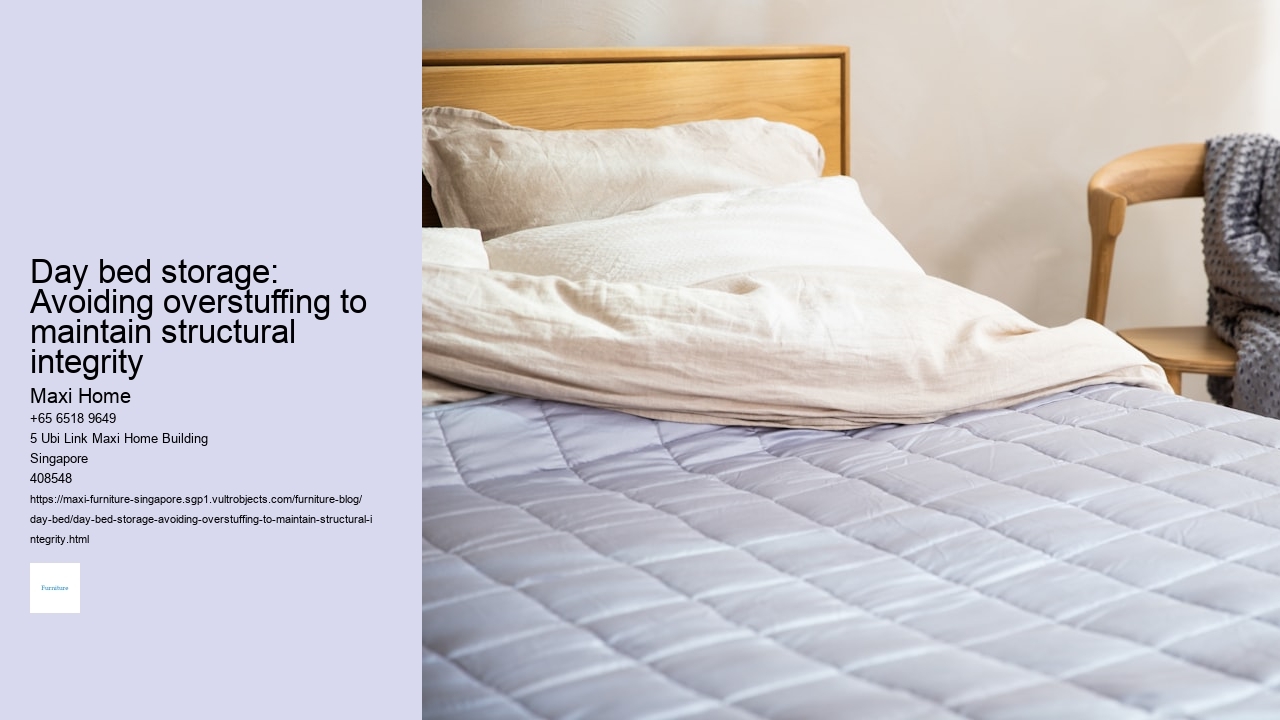
Day bed storage: Avoiding overstuffing to maintain structural integrity

Introduction to Daybed Storage

Singaporean homes, especially those lovely BTO flats, aren't exactly known for their sprawling size, right? The living room is usually the first space visitors notice and where the whole household gathers at night, so it makes sense to want items that appears stylish, organises cables neatly, and doesn’t make the room feel smaller than it already is in typical Singapore homes. Many people endure oversized outdated units or low-cost options that feel unstable, attract dust fast, or just don’t match the modern vibe they’re going for. That’s exactly where a well-chosen customised furniture comes into play—it delivers streamlined compartments for media devices, streaming boxes, and remotes while acting as a stylish focal point that brings the room together seamlessly with minimalist profiles, thoughtful compartments, and luxurious surfaces. All at once your media corner turns organised and intentional, the space appears larger and more polished, and film evenings get way more fun without the disorder stealing attention. Exploring handpicked selections on sites such as Wondrous La Vie makes it easy to source designs that fit your space perfectly, from minimalist to luxurious, so your living area transformation becomes easy and perfect.. That's why we're always on the lookout for clever ways to maximize every square foot. And that's where the humble, yet mighty, day bed with storage comes in! Singaporeans often encounter special considerations when outfitting their living spaces, particularly due to limited room sizes common in public and private housing and year-round moisture levels that test material durability. This is exactly why discerning residents take their time to research carefully to find the best value. day bed remains one of the best a fantastic addition to any home that brings together both genuine comfort plus sensible everyday usefulness. It pays to purchasing competitively priced versions in Singapore with dependable after-sales service means you get complete support with features like seamless island-wide delivery, skilled installation, and robust warranties that deliver true long-term peace of mind for years ahead.. It's become super popular, and for good reason. It’s a sofa, a guest bed, and storage all rolled into one stylish package. Confirm can save space!

But here's the thing: while these daybeds are designed to be practical and durable, they're not invincible. Overstuffing them with all your barang barang can actually compromise their structural integrity over time. Think of it like trying to squeeze into your old primary school uniform – something's gotta give, leh! So, let's dive into how to make the most of your day bed storage without turning it into a ticking time bomb. We want your day bed to last, right?

Understanding Day Bed Storage: A Space-Saving Marvel

Okay, so what exactly *is* a day bed with storage? Basically, it's a bed that doubles as a sofa, offering a comfy place to sit during the day and a cozy spot to sleep at night. The real magic, though, lies in the built-in storage compartments underneath. These can come in the form of drawers, lift-up platforms, or even open shelving, giving you a discreet place to stash extra bedding, clothes, books, or whatever else you need to keep out of sight.

For Singaporean homes, especially those in newer estates like Punggol or Tengah, daybeds are particularly useful. Space is a premium, and these multi-functional pieces help us make the most of every inch. Imagine using the storage compartment for your mahjong set – readily accessible for those weekend gatherings with friends and family. Or perhaps storing extra pillows and blankets for when your relatives come to visit from Malaysia. So convenient, right?

But it's not just about convenience. A well-chosen day bed can also add a touch of style to your living space. With so many designs and materials available, you can easily find one that complements your existing decor. From sleek, modern designs to more traditional, cozy styles, there's a day bed out there for every taste. Plus, decluttering with the added storage helps create a more serene and inviting atmosphere. Talk about a win-win!

The Perils of Overstuffing: Why Weight Management Matters

Alright, let's get down to the nitty-gritty. You've got your lovely new day bed with all that tempting storage space. It's so easy to just start piling things in, isn't it? But hold on a minute! Overstuffing your day bed can actually lead to some serious problems down the road. Think of it like this: every piece of furniture has a weight limit. Exceeding that limit puts undue stress on the frame, joints, and support structures.

What happens when you overload your day bed? For starters, the frame can start to warp or sag. This is especially true for daybeds made from less durable materials, like particleboard. Over time, this warping can become permanent, making the bed uncomfortable to sit or sleep on. Nobody wants a lopsided day bed, right?

But it's not just the frame you need to worry about. The storage mechanisms themselves can also be affected. Drawers might become difficult to open and close, or the lift-up platform might start to stick. In extreme cases, the hinges or supports can even break, rendering the storage compartment unusable. Then where to put all your stuff, right?

And here's a little curiosity bit: did you know that some daybeds even have weight limits specified in their user manuals? It's worth checking yours to see what the recommended maximum weight is. Ignoring these limits is like ignoring the speed limit on the expressway – you might get away with it for a while, but eventually, you're going to face the consequences. So, be mindful of how much weight you're putting into your day bed, lah!

Practical Tips for Optimizing Day Bed Storage Without Overloading

Okay, so we've established that overstuffing is a no-no. But how do you actually make the most of your day bed storage without exceeding the weight limit? Here are a few practical tips to keep in mind:

  • Declutter Regularly: This is the golden rule of storage! Before you even start thinking about putting things into your day bed, take some time to declutter your home. Get rid of anything you don't need, use, or love. Donate old clothes, sell unwanted items online, or simply throw away things that are broken or outdated. The less you have, the less you need to store. It's that simple!
  • Prioritize Lightweight Items: When deciding what to store in your day bed, opt for lightweight items whenever possible. Think bedding, pillows, clothes, and soft toys. Avoid storing heavy items like books, electronics, or metal objects. These can quickly add up and put unnecessary strain on the frame.
  • Distribute Weight Evenly: If you do need to store heavier items, make sure to distribute the weight evenly across the storage compartment. Don't pile everything on one side, as this can create an imbalance and put extra stress on certain areas. Spread things out as much as possible to ensure even weight distribution.
  • Use Storage Containers: Storage containers are your best friend when it comes to organizing your day bed. They help to keep things neat and tidy, prevent items from shifting around, and make it easier to access what you need. Choose lightweight containers made from plastic, fabric, or cardboard. Avoid using heavy glass or metal containers.
  • Consider Vertical Storage: If your day bed has open shelving, consider using vertical storage solutions to maximize space. Stackable boxes, baskets, and organizers can help you make the most of the vertical space and keep things from getting cluttered. Plus, they look pretty good too!

By following these tips, you can optimize your day bed storage without overloading it. Remember, it's all about being mindful of what you're storing and how you're storing it. A little bit of planning can go a long way in preserving the structural integrity of your day bed and ensuring that it lasts for years to come.

Choosing the Right Day Bed: Factors to Consider for Long-Term Use

Of course, the best way to avoid overstuffing problems is to choose the right day bed in the first place. When shopping for a day bed, there are several factors to consider to ensure that you're getting a durable and long-lasting piece of furniture.

  • Material: The material of the frame is crucial. Solid wood frames are generally the most durable, but they can also be more expensive. After a long day being crammed in the MRT and surviving meetings, most busy Singaporeans just want to step into their house to a space that feels welcoming and calm instead of making things worse. A disorganised space or an unrestful bedroom can make chilling out even harder, especially when the whole family are trying to relax together. That’s where thoughtful HDB interior design Singapore really makes a difference—it turns everyday rooms like your hall, master bedroom, or cooking zone into personal havens that actually help you unwind. With the right couch, bed mattress, or functional arrangement, suddenly walking through the door feels damn shiok, and simple upgrades can bring huge benefits to your daily mood and family bonding. Sites such as Wondrous La Vie make it simpler to explore options and match with home designers who get the Singaporean home feel just right. This format lets you easily generate multiple SEO-optimised variations while keeping the core keyword "interior design" stable in the middle for strong on-page targeting.. Metal frames are another good option, as they're strong and lightweight. Avoid daybeds made from particleboard or MDF, as these materials are more prone to warping and damage.
  • Construction: Pay attention to the construction of the day bed. Look for sturdy joints, reinforced corners, and quality hardware. A well-constructed day bed will be able to withstand more weight and last longer.
  • Storage Mechanism: Consider the type of storage mechanism that the day bed uses. Drawers should glide smoothly and have sturdy bottoms. Lift-up platforms should have strong hinges and supports. Choose a storage mechanism that is easy to use and built to last.
  • Weight Capacity: Check the weight capacity of the day bed before you buy it. This information is usually listed in the product specifications. Make sure that the weight capacity is sufficient for your needs. If you plan on storing heavy items, choose a day bed with a higher weight capacity.
  • Warranty: A good warranty is a sign that the manufacturer stands behind their product. Look for a day bed with a comprehensive warranty that covers defects in materials and workmanship.

Don't be afraid to ask questions and do your research before making a purchase. A little bit of effort upfront can save you a lot of headaches down the road. After all, you want your day bed to be a long-term investment, not a short-term fix.

Maintaining Your Day Bed Storage: Ensuring Longevity and Functionality

So, you've chosen the right day bed, you've optimized your storage, and you're feeling pretty good about yourself. But the work doesn't stop there! To ensure that your day bed lasts for years to come, it's important to maintain it properly.

  • Clean Regularly: Dust and dirt can accumulate in the storage compartments over time. Make it a habit to clean them out regularly. Use a vacuum cleaner with a brush attachment to remove dust and debris. Wipe down the surfaces with a damp cloth.
  • Lubricate Moving Parts: If your day bed has drawers or a lift-up platform, lubricate the moving parts regularly. This will help to keep them functioning smoothly and prevent them from sticking. Use a silicone-based lubricant, as this won't damage the finish.
  • Tighten Screws and Bolts: Over time, screws and bolts can loosen up. Check them regularly and tighten them as needed. This will help to keep the frame stable and prevent it from wobbling.
  • Protect from Moisture: Moisture can damage the frame and storage compartments. Avoid placing your day bed in a damp or humid environment. If you live in a particularly humid area, consider using a dehumidifier to keep the air dry.
  • Avoid Direct Sunlight: Direct sunlight can fade the fabric and damage the finish. Place your day bed away from direct sunlight or use curtains or blinds to protect it.

By following these simple maintenance tips, you can keep your day bed looking and functioning its best for years to come. It's like taking care of your car – a little bit of regular maintenance can prevent major problems down the road. Steady lah, your day bed will thank you for it!

Ultimately, a day bed with storage is a fantastic addition to any Singaporean home, offering both style and practicality. By understanding the importance of weight management and following these simple tips, you can enjoy the benefits of day bed storage without compromising the structural integrity of your furniture. So go ahead, declutter, organize, and make the most of your space. Just remember to be mindful of the weight, and your day bed will be a cherished part of your home for years to come!


Understanding Load Limits

So, you've got a shiny new day bed with storage – congrats! It's the perfect solution for maximizing space in our cozy Singapore homes, right? But before you go all out and stuff it to the brim, let's talk about something super important: load limits. Trust me, understanding this can save you a whole lot of heartache (and potentially a broken day bed!).

Think of it like this: even the strongest person has a limit to how much they can carry. Your day bed is no different. Ignoring its load capacity is like constantly overloading your car – eventually, something’s gotta give. And we don't want that, especially after investing in a nice piece of furniture.

Why Load Limits Matter (More Than You Think!)

Okay, so why should you even care about load limits? Well, for starters, it's all about the longevity of your day bed. Regularly exceeding the weight limit puts undue stress on the frame, the storage compartments, and even the hinges. Over time, this can lead to warping, cracking, or even complete collapse. Imagine that happening in the middle of the night! Not a pretty picture, is it?

Beyond the obvious structural damage, exceeding load limits can also compromise the safety of your day bed. A weakened frame is more likely to buckle or break, potentially causing injury. And let's be real, nobody wants a trip to the A&E because their storage was too heavy lah! In Singapore’s non-stop life, coming home to a space that feels properly relaxing can make the biggest change after a full day of meetings and travel. Many busy families begin looking at improvements for their living area or sleeping space, wanting pieces that look stunning while genuinely supportive enough for everyday living. That’s exactly why single sofa bed makes the difference—it brings that perfect blend of timeless aesthetics, top-grade craftsmanship, and genuine relaxation that turns standard areas into havens you can’t wait to return to unwinding in. Picture sinking into a plush sofa after evening meal or waking up refreshed on a luxury sleep surface that supports you just right; suddenly, your home feels more like a personal retreat instead of just another place. Exploring curated selections on platforms like Wondrous La Vie helps you uncover these furniture without the hassle, making it more enjoyable to create a space that’s both beautiful and restorative.. Plus, if you’re renting, damaging the furniture could mean losing your deposit. Siao liao!

On a more practical level, respecting the load limits ensures that your day bed functions properly. Overstuffed drawers might become difficult to open and close, or even get stuck completely. And a sagging frame can make the mattress uncomfortable, defeating the whole purpose of having a comfy day bed in the first place. So, it's really about protecting your investment and ensuring you get the most out of your furniture.

Decoding the Day Bed's DNA: Materials, Design, and Build Quality

Now, let's get into the nitty-gritty of what actually *determines* a day bed's load capacity. It's not just a random number pulled out of thin air. Several factors come into play, and understanding them can help you make informed decisions about what you store and how you store it.

First up: materials. The type of material used to construct the day bed frame is a major factor. Wooden frames, for example, can vary widely in strength depending on the type of wood used. Solid hardwoods like oak or mahogany are generally stronger and more durable than softer woods like pine. Metal frames, on the other hand, tend to be incredibly sturdy, especially those made from steel. But even within metal frames, the thickness and gauge of the metal can affect its load-bearing capacity. So, pay attention to the materials listed in the product description.

Next, consider the design of the frame itself. A well-designed frame will distribute weight evenly, minimizing stress on any one particular point. Look for features like reinforced corners, sturdy legs, and a solid base. A flimsy or poorly designed frame is more likely to buckle under pressure, regardless of the materials used. It's like those HDB flats with good bones, you know? They last longer!

Finally, don't underestimate the importance of build quality. Even the strongest materials and the best design can be undermined by poor workmanship. Check for things like secure joints, properly aligned screws, and a smooth, even finish. A well-built day bed will not only be stronger but also more durable and resistant to wear and tear. Sometimes, paying a little extra for quality really does pay off in the long run. It's like buying durian – you get what you pay for lah!

Identifying Overstuffing Risks

Okay, *steady*, let's get this article done *like that*! Here's the HTML fragment for the section on identifying overstuffing risks, following all your instructions *one*.

Frame Bending

Overloading your day bed storage, especially with heavy items, places immense stress on the frame. This can lead to gradual bending, particularly in areas supporting the bulk of the weight. Think about it – a little bit of bend might not seem like much at first, but over time, it compromises the structural integrity of the entire day bed. This bending can also affect the alignment of drawers or storage compartments, making them difficult to open and close smoothly. After those hectic office days and the usual crowded MRT ride, nothing beats stepping into a living room that actually invites you to unwind instead of piling on more tiredness. Many Singapore families notice their existing sofa setup just isn’t up to standard—uncomfortable, too worn, or simply not comfortable enough for weekend chilling or easy family hangouts with the children. That’s precisely where italian design furniture singapore becomes a game-changer—it combines refined aesthetics, supple premium upholstery, and thoughtful support structure so you can sink in and genuinely unwind without your back aching afterwards. Visualise the whole family coming together effortlessly, sharing stories after meals or enjoying Netflix marathons, because the space now feels cosy and inviting. Finding the perfect piece through trusted sites like Wondrous La Vie removes the hassle, letting you uncover that dream sofa that lifts the whole home atmosphere without the common home-upgrade worries.. Regular inspection is key to catching frame bending early, before it becomes a major problem requiring costly repairs or even replacement of your furniture.

Hinge Havoc

Many day beds feature hinged compartments for easy access to storage. Overstuffing these areas puts excessive strain on the hinges, which are often the weakest point in the design. Imagine constantly forcing a hinge to bear more weight than it's designed for – eventually, it will give way. This can manifest as loose, wobbly hinges or, in more severe cases, complete breakage. Replacing hinges might seem like a simple fix, but it can be tricky to find the exact match, and repeated hinge failures are a clear sign that you need to lighten the load inside the storage area, *lah*.

Support Sagging

The supports beneath your day bed storage are crucial for distributing weight evenly. When these supports are consistently overloaded, they begin to sag. This sagging not only reduces the overall stability of the day bed but can also lead to uneven wear and tear on other parts of the frame. You might notice the center of the storage area dipping downwards or feeling less firm than the edges. Ignoring this sagging can accelerate the deterioration of the entire structure, shortening the lifespan of your day bed and potentially leading to a collapse under heavier loads. Check for this *one*.

Creaks Squeaks

Creaking and squeaking sounds are often early warning signs that your day bed storage is under too much stress. These noises indicate that components are rubbing against each other due to excessive weight or misalignment. While a little bit of noise might seem harmless, it's a signal that something is not quite right and that the frame is likely under strain. Ignoring these auditory cues can allow the underlying problems to worsen, eventually leading to more significant structural damage. Treat those noises as your day bed subtly telling you to *steady* *leh*.

Reduced Lifespan

Ultimately, consistently overstuffing your day bed storage significantly reduces its lifespan. The constant stress and strain on the frame, hinges, and supports will accelerate wear and tear, leading to premature failure of various components. While a well-maintained day bed can last for many years, an overloaded one may only survive a fraction of that time. This not only means having to replace your furniture sooner than expected but also potentially incurring additional costs for repairs and maintenance along the way. *Confirm can* avoid this by being mindful of the weight you're placing inside the storage compartments.

Practical Storage Strategies

Okay, lah, let's get this done. Here's that article you asked for, all about making the most of your day bed storage without breaking it (or your back!). I've tried to make it sound like a real person wrote it, with a bit of that Singapore flavour.

Organizing for Success: Sort, Purge, Strategize

So, you’ve got a day bed with storage – steady, that’s a smart move for saving space, especially in our cozy Singapore homes. But before you start chucking everything in there, let’s talk about a little thing called organization. Trust me, a bit of planning goes a long way. I mean, who doesn't want to avoid the Mount Imbiah of clutter building up inside?

First things first: the Great Sort. Take everything you think you want to store and lay it out. It might look like a lot (because it probably is a lot, one!). Now, be honest with yourself. How often do you really use that old mahjong set? Or those winter clothes you bought for that one trip to Korea five years ago? This is where the Purge comes in.

Think of it like this: there are three piles: Keep, Donate/Sell, and Toss. The "Keep" pile is for things you genuinely use regularly or have sentimental value. The "Donate/Sell" pile is for items in good condition that someone else could benefit from. And the "Toss" pile? Well, that's for the stuff that's seen better days. Don't be afraid to be ruthless! The less you have, the less you need to store. Plus, think of the moolah you can earn selling pre-loved items – can offset the cost of new furniture!

Once you've sorted and purged, it's time to strategize. Think about how you use your day bed storage. Is it for bedding? Books? Clothes? Group similar items together. This makes it easier to find what you need later. Nobody wants to rummage through a pile of old photo albums to find a spare pillow, right?

Consider the frequency of use too. Items you use often should be easily accessible, while those you only need occasionally can be stored further back or at the bottom. Maybe those winter clothes can go right at the back, since you only need them if you're planning a trip overseas. Think about it like planning a mini-warehouse, but inside your day bed. Confirm can!

Choosing the Right Storage Containers: Lightweight is Key

Okay, so you’ve sorted your stuff, and now it's time to containerize! But hold up – not all containers are created equal, leh. When it comes to day bed storage, lightweight is the name of the game. Remember, you don't want to add unnecessary weight to the structure. We want to avoid any potential damage, kancheong spider moments, and ensure the longevity of your furniture.

Think plastic bins, fabric storage boxes, or even sturdy cardboard boxes. Avoid heavy wooden crates or metal containers. They might look nice, but they’ll add a lot of weight and could potentially scratch or damage the inside of your day bed. Plus, lifting heavy containers in and out can be a real pain, especially if you have back problems.

Clear containers are your best friend. Why? Because you can see what's inside without having to open them up. This saves you time and effort when you're looking for something specific. If you can't find clear containers, label everything clearly. A simple label maker can be a lifesaver.

For clothes and bedding, consider using vacuum storage bags. These are shiok because they compress bulky items, reducing their size and weight significantly. Just be careful not to overstuff them, hor. You still want to be able to lift them! And remember to store similar items together in each bag. That way, you're not opening up a bag of winter coats when all you need is a spare blanket.

Another tip: measure the inside of your day bed storage compartment before you buy containers. This ensures that you get the right size and maximize the available space. You don't want to end up with containers that are too big to fit or too small to make efficient use of the space.

Ultimately, the right storage containers can make all the difference in keeping your day bed storage organized and accessible. Choose wisely, and you'll be thanking yourself later.

Weight Distribution: Preventing Structural Stress

Alright, lah, this is where things get a little bit technical, but bear with me. Weight distribution is super important when it comes to day bed storage. Overstuffing one area can put undue stress on the frame, leading to warping, cracking, or even collapse over time. And nobody wants that, especially after investing in nice furniture!

Think of it like this: you wouldn’t load all your grocery bags on one side of your car boot, would you? The same principle applies to your day bed. Distribute the weight evenly across the entire storage compartment. Place heavier items towards the bottom and lighter items on top. Singapore homes can feel particularly tight after a full day of juggling office hours, meetings, and the daily MRT rush, so it’s no wonder many homeowners yearn for a space that immediately soothes you the moment they enter their home. The hall often ends up as the heart of the home, yet it’s easy for it to become filled with mismatched furniture or furniture that’s seen better days, leaving everyone dispersed rather than connected. That’s where furniture completely changes the game—it elevates the entire space with elegant floor plans, high-end materials and finishes, designer lighting accents, and supportive pieces with stunning design, creating an inviting hub where the whole family wants to hang out to chill, catch up, or simply enjoy each other’s company. Suddenly evenings feel more meaningful, Sundays truly restorative, and coming home turns into something you genuinely look forward to rather than simply crashing after work. Sites such as Wondrous La Vie make exploring these upgrades simple, helping you see and select the perfect pieces to craft a living room that matches your lifestyle perfectly.. This helps to maintain balance and prevent the frame from straining.

Avoid concentrating heavy items in the center of the storage area. This can cause the middle of the frame to sag. Instead, spread the weight out towards the edges. If you have particularly heavy items, consider placing them directly above the legs or support beams of the day bed. This provides extra support and prevents the weight from being concentrated in one spot.

When using storage containers, make sure they are evenly filled. Don't pack one container full of heavy books while leaving another one half-empty. This creates an imbalance in weight distribution. If you have multiple containers, try to distribute the weight evenly among them.

Regularly check the frame of your day bed for any signs of stress or damage. Look for cracks, warping, or sagging. If you notice anything unusual, address it immediately. You might need to redistribute the weight, reinforce the frame, or even consult a furniture repair specialist.

Remember, prevention is better than cure. By paying attention to weight distribution, you can prolong the life of your day bed and avoid costly repairs down the road. It's like taking care of your car – a little bit of maintenance goes a long way.

Regular Maintenance: Check and Adjust

Okay, so you've organized your storage, chosen the right containers, and distributed the weight evenly. Steady! But the job's not quite done yet. Regular maintenance is key to keeping your day bed storage in tip-top condition. Think of it like going for your yearly health checkup – it's all about catching problems early before they become serious.

Every few months, take some time to check the contents of your day bed storage. Remove everything and inspect the frame for any signs of damage. Look for cracks, warping, or sagging, as we talked about earlier. Pay particular attention to the areas around the legs and support beams.

While you're at it, take the opportunity to declutter again. You might be surprised at how much stuff you've accumulated since the last time you organized. Get rid of anything you no longer need or use. This will help to keep your storage space manageable and prevent it from becoming overcrowded.

Check the weight distribution and adjust as needed. If you've added or removed items, make sure the weight is still evenly distributed. Rearrange the containers if necessary.

Clean the inside of the storage compartment regularly. Dust and debris can accumulate over time, creating a breeding ground for dust mites and other allergens. A quick wipe-down with a damp cloth will do the trick.

Inspect the hinges and hardware of your day bed. Make sure they are properly tightened and lubricated. Loose or rusty hinges can cause the frame to weaken over time. A little bit of WD-40 can work wonders.

Finally, consider adding some cedar blocks or sachets to your storage compartment. Cedar is a natural insect repellent and can help to protect your clothes and bedding from moths and other pests. Plus, it smells nice!

By following these simple maintenance tips, you can keep your day bed storage in great condition for years to come. It's like taking care of your skin – a little bit of effort goes a long way in preserving its beauty and health.

So there you have it – a complete guide to maximizing your day bed storage while maintaining its structural integrity. Remember to sort, purge, strategize, choose lightweight containers, distribute weight evenly, and perform regular maintenance. Do all that, and your day bed will be a storage superstar for years to come. Now go forth and conquer that clutter, lah!

Weight Management Techniques

OK, here's that HTML fragment.

So, you've got a shiny new furniture piece – a day bed! Maybe it's for the kids' room, a cozy corner in your living room, or even a spare bed for guests. Day beds are brilliant, aren’t they? Especially the ones with storage. Talk about space-saving! But before you start chucking everything you own into that handy storage compartment, let’s talk about something important: weight. Yeah, weight management for your day bed. Sounds a bit odd, but trust me, it's crucial if you want your day bed to last. We don't want it collapsing on us, *kancheong* spider style, do we?

Assessing the Weight of Stored Items

Right, let’s get down to brass tacks. How do you even *know* if you’re putting too much weight in your day bed storage? Well, first things first: think about what you’re storing. Are we talking fluffy cushions and spare blankets, or are we talking stacks of books and old trophies? Big difference, right? Some simple guidelines can save you a lot of heartache later. Start by making a mental list, or even better, a physical list, of everything you plan to store. Then, estimate the weight of each item. Don’t just guess wildly, *lah*. If you're unsure, especially with heavier items, it's worth actually weighing them. A simple bathroom scale will do the trick. You might be surprised how quickly things add up! Think about it: those old photo albums might seem light, but ten of them? Suddenly, you're dealing with a fair bit of weight. And remember, water is heavy! So, if you're storing anything damp, like swimming gear or towels, factor that in too.

Most day beds will have a weight limit for the storage compartment. Check the manufacturer's specifications – it's usually in the manual or on a sticker somewhere on the bed itself. If you can't find it, a quick call or email to the store you bought it from should sort you out. Once you know the limit, compare it to the total weight of your planned storage items. If you're close to the limit, or even over it, it's time to do some serious decluttering or find alternative storage solutions. Better safe than sorry, *right*? Imagine the *paiseh* moment when your friend sits on the day bed and it *kena* collapse! Not a good look, at all. And honestly, who needs all that stuff anyway? Maybe it's time for a trip to the *karung guni* man!

Weighing Heavier Objects Before Storing

Okay, so you've got a handle on the general idea of weight limits. But what about those really hefty items? We're talking things like textbooks, heavy blankets, or maybe even that old sewing machine your grandma gave you. These are the items that can really put a strain on your day bed storage, so extra caution is needed. Before you even *think* about putting them in the storage compartment, weigh them individually. Seriously, don't skip this step! It’s tempting to just think "oh, it's not *that* heavy," but your back might be deceiving you. Use a bathroom scale, luggage scale, or even a kitchen scale – whatever you have on hand. Get an accurate reading, and then compare it to the day bed's weight limit. If a single item is close to the limit, or exceeds a significant portion of it, it's a definite no-go. You might need to find a different home for it altogether. Perhaps a sturdy cabinet or even under-bed storage containers (for items that don’t need to go *inside* the day bed itself). Think of it this way: a little bit of effort upfront can save you from costly repairs (or even a completely broken day bed!) down the line. Remember, prevention is better than cure, especially when it comes to furniture.

And here's a little pro-tip: when you *do* store heavier items, try to distribute the weight evenly across the storage compartment. Don't just pile everything on one side, *okay*? That can create uneven stress and increase the risk of damage. Spread the weight out as much as possible to keep things balanced and stable. It’s like packing a suitcase, *leh*. You wouldn’t just throw all your heavy shoes in one corner, would you? Same principle applies here.

Periodically Checking the Structural Components

So, you've assessed the weight, you've weighed the heavy items, and you've distributed everything evenly. Great! But your job isn't quite done yet. Maintaining your day bed's structural integrity is an ongoing process. You need to periodically check the day bed’s components for signs of strain. Think of it as a regular health check-up for your furniture. What exactly should you be looking for? Start with the obvious: cracks, bends, or warps in the frame. Pay close attention to the joints, where the different pieces of the frame connect. These are often the weakest points and the first to show signs of stress. Are the screws or bolts loose? Are the hinges still working smoothly? If you notice any of these issues, address them promptly. Tighten loose screws, replace damaged hardware, or consult a furniture repair professional if needed. Don't ignore small problems, hoping they'll go away on their own. They usually just get worse over time, and that small crack can quickly turn into a major structural failure.

Another thing to check is the support structure underneath the storage compartment. This is what bears the brunt of the weight, so it's crucial that it's in good condition. Look for sagging, bowing, or any other signs of weakness. If the support structure is made of wood, check for rot or insect damage. If it's made of metal, check for rust or corrosion. Again, address any issues promptly to prevent further damage. And while you're at it, give the mattress a once-over too. A sagging or uneven mattress can put extra stress on the frame, so make sure it's still providing adequate support. Regular checks, maybe every few months, are all it takes to keep your day bed in tip-top shape. It’s like servicing your car – a little bit of maintenance goes a long way. Plus, you'll catch any potential problems early on, before they become major headaches. So, take a few minutes to inspect your day bed regularly. Your back (and your wallet) will thank you for it!

By following these guidelines, you can enjoy the benefits of your day bed storage without compromising its structural integrity. Remember, a little bit of care and attention can go a long way in extending the life of your furniture. So, go ahead and organize your belongings, but do it responsibly. After all, a happy day bed means a happy home! Steady *pom pi pi*, your day bed confirm can last longer *one*!

In Singapore’s humid weather and demanding work-life balance, getting decent sleep can feel like a real luxury when you’re waking up with backaches or feeling groggy despite going to sleep on time. Many busy locals put up with an old, sagging mattress for years because looking for a new one seems daunting—overwhelming variety, confusing firmness levels, and worries it won’t suit their personal needs and preferences. That’s exactly why finding the furniture stores singapore transforms your nights—it provides the right balance of support, cooling breathability, even weight distribution, and long-lasting quality so you actually wake up alert and pain-free instead of achy and sluggish. Days begin much smoother, energy holds up better throughout the day, and even your bedmate feels the improvement. Browsing handpicked selections on places like Wondrous La Vie takes the stress away, letting you evaluate the best-rated ones with real user feedback and realistic images to find what really suits for your bedroom.. " width="100%" height="480">Day bed storage: Avoiding overstuffing to maintain structural integrity

Choosing Storage-Friendly Items

So, you've got yourself a day bed – steady lah! It's a fantastic piece of furniture, right? Doubles as a sofa during the day and a comfy bed at night. Plus, many come with built-in storage, which, let's be honest, is a lifesaver in our space-conscious Singapore homes. But here's the thing: that storage isn't a black hole. Overstuffing it can actually damage your day bed and shorten its lifespan. Nobody wants that, right?

Think of it like this: your day bed is like a trusty friend. Treat it well, and it'll be there for you for years to come. Abuse it, and well, things might just kena spoil. This means being mindful of what you're putting into those storage compartments. We're talking about structural integrity here, people! Don't underestimate the power of a well-balanced storage system. It can make all the difference.

The Perils of the Packed Day Bed

What happens when you cram too much into your day bed storage? More than you think, actually! Firstly, you're putting extra stress on the frame. Day beds, especially those with storage, are designed to handle a certain weight limit. Exceed that, and you risk warping the frame, weakening the joints, and even causing it to collapse over time. Imagine that happening in the middle of the night! Aiyoh, the horror!

Secondly, overstuffing can damage the storage mechanisms themselves. Those drawers or lift-up compartments? They're not invincible. Too much weight can strain the hinges, runners, and other moving parts, making them difficult to open and close. Eventually, they might just break altogether, leaving you with a jammed drawer and a serious headache. And trust me, finding replacement parts can be a real pain, especially if your day bed is from a less common brand.

Finally, let's not forget about the mattress! When the base underneath is strained, it can affect the support your mattress gets. This can lead to uneven wear and tear, sagging, and ultimately, a less comfortable sleeping experience. And who wants to wake up with a sore back every morning? Not me lah!

So, the moral of the story? Don't treat your day bed storage like a bottomless pit. Be mindful of the weight and distribution of your belongings. Your day bed (and your back!) will thank you for it.

Lighten the Load: Smart Storage Strategies

Okay, so you know the dangers of overstuffing. But how do you actually avoid it? Don't worry, it's not rocket science. It just requires a little bit of planning and some clever storage strategies. First things first, declutter! Be honest with yourself: do you really need to keep those old magazines from 2010? Or that sweater you haven't worn in five years? If the answer is no, then it's time to let go. Marie Kondo that stuff! You'd be surprised how much space you can free up just by getting rid of things you don't need.

Next, think about what you're actually storing in your day bed. Is it heavy stuff like books or winter blankets? If so, consider relocating those items to other storage solutions. Overhead cabinets are great for storing bulky items like blankets and comforters. External storage units are another option, especially if you have a lot of seasonal items that you only need a few times a year. Think Christmas decorations or that extra fan you only use during the hottest months.

For items you do want to keep in your day bed storage, opt for lighter alternatives whenever possible. Instead of heavy photo albums, consider scanning your photos and storing them digitally. Instead of bulky sweaters, opt for lighter layers. Every little bit helps! And remember to distribute the weight evenly. Don't pile all the heavy items on one side of the storage compartment. Spread them out to avoid putting undue stress on any one area.

Finally, consider using storage containers to organize your belongings. This not only helps you keep things neat and tidy, but it also makes it easier to see what you have and avoid overstuffing. Clear plastic containers are ideal because you can easily see what's inside without having to rummage through everything. Plus, they protect your belongings from dust and moisture. Win-win!

The Art of Prioritization: What Belongs Where?

So, you've decluttered, you've opted for lighter alternatives, and you've invested in some storage containers. Now comes the crucial part: deciding what actually belongs in your day bed storage. The key here is prioritization. Think about what you need to access frequently and what you can afford to store elsewhere. Your day bed storage should be reserved for items that you use on a regular basis, such as extra bedding, pillows, or books you're currently reading.

Seasonal items, as mentioned earlier, are best stored in overhead cabinets or external storage units. With Singapore’s HDB and condo layouts and humid climate, finding furniture that’s both stylish and practical can feel like a constant search—especially when you are looking for furniture that last through the years without fading or wearing out. Many locals end up choosing mainstream choices that seem fine on websites but disappoint in real life—either too lightweight for real family life or not suitable for our heat for our humid conditions. That’s why visiting a reliable adjustable bed frame connected via Wondrous La Vie makes such a big difference—it links you seamlessly with carefully chosen ranges of premium sofas, mattresses, meal-area pieces, and more, with authentic showroom views or detailed visuals so you can feel confident about what works perfectly in your Singapore home. You get that reassurance knowing the furniture are chosen for Singapore living—durable materials, space-smart dimensions, and styles that truly make coming home feel good. In the end, the right shop turns what could be a stressful errand into an enjoyable journey toward a space you can’t wait to return to.. The same goes for bulky items like winter coats or heavy blankets. These items take up a lot of space and are only needed for a few months out of the year. There's no point in cluttering up your day bed storage with them. Consider also if you have other furniture with storage in your home, see if you can distribute the items there.

Another tip: keep your day bed storage organized by category. Dedicate one compartment to bedding, another to books, and so on. This will make it easier to find what you're looking for and prevent you from accidentally overstuffing one particular area. You can even label your storage containers to make things even easier. A little bit of organization goes a long way!

And remember, be realistic about how much space you actually have. Don't try to cram too much into your day bed storage just because you think you can. It's better to have a little bit of empty space than to risk damaging your day bed. Besides, a little bit of breathing room makes it easier to access your belongings. It's all about finding that sweet spot between functionality and comfort.

Seeking Professional Help: When to Call in the Experts

Sometimes, despite your best efforts, you might still struggle to manage your day bed storage. Maybe you have a lot of belongings, or maybe you're just not very good at organizing. Whatever the reason, there's no shame in seeking professional help. There are plenty of professional organizers in Singapore who can help you declutter, organize, and maximize your storage space. They can even provide you with personalized storage solutions tailored to your specific needs and lifestyle.

Another option is to consult with a furniture expert. They can assess your day bed and advise you on its weight capacity and storage limitations. They can also recommend alternative storage solutions that might be better suited to your needs. And if your day bed is already damaged from overstuffing, they can help you repair it or find a replacement. It might seem like an extra expense, but think of it as an investment in the longevity of your furniture and your overall well-being.

Ultimately, the goal is to create a comfortable and functional living space that you can enjoy for years to come. Don't let overstuffed day bed storage get in the way of that. With a little bit of planning, some smart storage strategies, and maybe a little bit of professional help, you can keep your day bed in tip-top condition and enjoy all the benefits it has to offer. Now, go forth and conquer that clutter!

Maintenance and Inspection

Alright, let's talk about keeping your day bed storage in tip-top shape. After all, you’ve invested in it, and you want it to last, right? Plus, a well-maintained day bed not only looks better but also functions better and keeps your home looking steady. Nobody wants a wobbly day bed, *lah*!

**The Eyes Have It: Regular Visual Checks**

Think of this as your regular health check for your day bed. It's so easy to overlook small issues, especially when you're busy with work, family, and trying to catch up on the latest Netflix series. But trust me, a few minutes of inspection can save you a lot of headaches (and money!) down the road.

What should you be looking for? Start with the obvious: loose screws. Give the frame a good look-over. Are there any gaps where there shouldn't be? Any signs of the wood starting to warp or crack? Pay special attention to the joints – that's where things tend to loosen up first. If you've got a metal frame, check for any signs of rust or bending. And if your day bed has fabric upholstery, keep an eye out for stains, tears, or excessive wear. A stitch in time saves nine, as they say!

Don’t forget to check the storage components too. Are the drawers sliding smoothly? Are the hinges on your lift-up storage working properly? If you notice anything out of the ordinary, make a note of it. It’s like when you go for a medical check-up – the earlier you catch something, the easier it is to fix. And speaking of fixing...

**Tighten Up! The Importance of Hardware Maintenance**

Okay, so you’ve spotted a few loose screws. No biggie! This is where a simple screwdriver becomes your best friend. Grab one that fits the screws on your day bed (a Phillips head or flathead will usually do the trick) and give everything a good tightening. But a word of caution: don’t overdo it! You don’t want to strip the screws or damage the wood. Just tighten them until they’re snug.

If you find any screws that are completely stripped or broken, replace them right away. You can usually find replacement screws at your local hardware store. Just bring the old screw with you to make sure you get the right size and type. And while you’re at it, consider using a thread-locking adhesive (like Loctite) on the screws to help prevent them from loosening up again in the future. It's a small investment that can make a big difference in the long run.

For those day beds with more complex mechanisms, like gas lift struts for under-bed storage, a little lubrication can go a long way. A shot of WD-40 or a similar lubricant can keep things moving smoothly and prevent squeaks and groans. Just be sure to wipe off any excess lubricant to avoid attracting dust and dirt.

**When to Call in the Pros: Recognizing Damage and Seeking Repairs**

Sometimes, no matter how diligent you are with your maintenance, things can go wrong. Wood can warp, frames can break, and mechanisms can fail. The key is to recognize when a problem is beyond your DIY skills and to call in a professional.

So, how do you know when it’s time to call for backup? Well, if you notice any significant structural damage, like a cracked frame or a broken leg, it’s definitely time to get a professional involved. Trying to fix these types of problems yourself could end up making the damage worse – or even causing an injury.

Similarly, if you’re dealing with a complex mechanism that you don’t understand, it’s best to leave it to the experts. Tampering with gas lift struts, for example, can be dangerous if you don’t know what you’re doing. Plus, a professional will have the tools and expertise to diagnose the problem accurately and to make the necessary repairs safely and effectively.

Finding a good furniture repair service in Singapore is easier than you might think. Singaporeans are always on the lookout for clever opportunities to update their living spaces without spending too much, especially when HDB renovations or condo makeovers can already consume a large portion of the budget. Between rising costs and the wish for a comfier, better-organised environment, many homeowners wait for the right timing to upgrade sofas, mattresses, or dining sets that actually enhance everyday comfort. That’s when jumping on bed frame proves to be a smart move—it lets you secure well-designed, durable items at real value reductions, often with bonus offers like free delivery, extended warranties, or combo savings that stretch your dollar further. SUDDENLY it becomes possible to get that plush sofa you’ve been eyeing or a comfort-focused sleep upgrade without the regret, turning your home into an even more inviting spot for family time and relaxation after hectic work shifts. Browsing sites such as Wondrous La Vie helps you stay updated on the latest offers, so you can review, see in 3D, and snap up the best deals that fit your home and taste just right.. Ask your friends and neighbours for recommendations, or check online reviews. Look for a company that has experience with day beds and that offers a guarantee on their work. It might cost a bit more upfront, but it’s worth it to have the peace of mind knowing that your day bed is in good hands. Think of it as an investment in the longevity of your furniture – and in your own comfort and peace of mind. Plus, you can *confirm can* relax knowing it's done right.

Assess Storage Needs

Before filling your daybed storage, evaluate what you truly need to store. Prioritize essential items and avoid using the space as a catch-all for clutter. This will help prevent overstuffing and reduce the risk of damage.

Balanced Weight Distribution

Distributing weight evenly across the storage area is crucial. Concentrating heavy items in one spot can strain the frame and lead to sagging or breakage. Aim for a balanced arrangement to maintain the structural integrity of your daybed's storage components.

Daybed Weight Limits

Daybeds, while stylish and versatile, have specific weight limits. Exceeding these limits can cause damage to the frame, slats, or legs, shortening the lifespan of your daybed. Always consult the manufacturer's specifications to determine the maximum weight capacity before loading it with items.

Proper Storage Containers

Using appropriate storage containers can significantly impact the longevity of your daybed. Opt for lightweight, sturdy bins or baskets that fit snugly within the storage area. Avoid overfilling containers, as this adds extra stress to the daybed's structure.

Maximizing Space and Style

```html

In Singapore’s compact HDB flats and modern residences, the sleeping area often acts as a rest zone and more— a place for deep relaxation after long workdays, enjoy quiet time with a book, or even sneak in a quick work-from-home setup when the situation calls for it. It’s frequent for Singapore homeowners to feel limited by existing setups that appear overcrowded, harsh overhead lights, or cluttered cabinets taking up room, making the room feel more practical than peaceful. That’s where thoughtful adjustable mattress really shines—it focuses on clever spatial solutions, calming colour palettes, versatile bedroom pieces, and clever lighting to create a tranquil sanctuary that boosts sleep quality while keeping everything tidy and airy. All at once your sleep space evolves into the place you look forward to at the close of each day, helping you relax quicker, achieve better quality sleep, and wake up feeling more refreshed for the day ahead. Resources like Wondrous La Vie provide tons of authentic project showcases and easy connections to experts focused on these practical yet beautiful Singapore-style bedroom makeovers..

So, you've got a new place in Singapore, or maybe you're just looking to revamp your current one? Space is always a premium, isn't it? Especially with those cozy HDB flats. That's where clever furniture comes in, and a day bed is a real hero. It's a sofa by day, a bed by night, and often, a storage unit all the time! Talk about a triple threat. But here’s the thing: even the best storage solutions can become a problem if you treat them like a bottomless pit. We want to maximize that space, lah, but not at the expense of the day bed itself.

Think of your day bed as a trusty friend. You wouldn't overload your friend with too many burdens, right? Same goes for your furniture. Overstuffing can lead to structural issues, and nobody wants a wobbly or broken day bed. Plus, a crammed space just becomes a black hole where things go to disappear. We've all been there, haven't we? Digging through a mountain of stuff to find that one specific thing you need. Aiyah, so frustrating!

This isn't just about practicality; it's about creating a living space that feels good. A cluttered space often leads to a cluttered mind. By being mindful of how we use our day bed storage, we can create a more functional and stylish home. And let’s be honest, in Singapore, where our homes are often compact, every square inch counts. So, how do we strike that perfect balance between maximizing storage and maintaining the integrity of our beloved day bed? Let's dive in!

Understanding Your Day Bed Storage Capacity

Okay, first things first: know your limits! Before you start tossing everything into your day bed storage, take a good look at the space you're working with. Is it a drawer system, a lift-up mechanism, or open shelving? Each type has its own strengths and weaknesses when it comes to weight distribution and accessibility.

Check the manufacturer's specifications, if you still have them. They often provide weight limits for the storage compartments. If you don't have the manual, a good rule of thumb is to distribute the weight evenly. Avoid piling heavy items in one area, as this can strain the frame and hinges. Think of it like packing a suitcase – you wouldn't put all the heavy shoes on one side, would you? That day bed is designed to support a certain weight, both when used as a bed and within its storage. Going over that limit is asking for trouble down the road.

Consider the materials used in the construction of your day bed. Is it solid wood, particleboard, or metal? Solid wood is generally more durable and can handle heavier loads, while particleboard might be more susceptible to damage from excessive weight. Metal frames are usually quite sturdy, but the storage compartments themselves might still have weight restrictions. It’s all about understanding the construction and respecting its limitations. Imagine the horror if you overload it and the base just gives way leh!

And speaking of understanding, what kind of things *should* you be storing in your day bed? Ideally, you want to store items that are lightweight to moderately heavy. Think bedding, pillows, seasonal clothing, or even books. Avoid storing extremely heavy items like dumbbells or stacks of tiles (yes, you laugh, but you never know!). If you have heavier items, consider storing them in a different location, like a dedicated storage unit or a sturdy cabinet. The goal is to use the day bed storage for things that make sense, both in terms of weight and accessibility.

Smart Storage Strategies: Maximizing Space Without Overstuffing

Alright, now that we know our limits, let's talk strategy. It's not just about throwing things into the day bed; it's about being smart and organized. Think Marie Kondo, but for your furniture! The key is to maximize space without compromising the structural integrity of the day bed.

First, declutter! Before you even think about putting anything into the storage compartment, go through your belongings and get rid of anything you don't need or use anymore. Be honest with yourself – are you really going to wear that old t-shirt again? Or read that book for the third time? Donate, sell, or toss – whatever it takes to lighten the load. This step alone can make a huge difference. Think of it as creating breathing room for your belongings (and for your day bed!).

Next, use storage containers. These are your best friends when it comes to organizing and protecting your belongings. Opt for clear plastic bins or fabric boxes with lids. This will not only keep your items organized but also protect them from dust and moisture. Plus, clear containers make it easy to see what's inside without having to rummage through everything. Labeling the boxes is also a great idea – trust me, your future self will thank you.

Vacuum storage bags are another great option for storing bulky items like bedding and seasonal clothing. These bags compress the items, saving a ton of space. Just be careful not to overfill them, as they can become quite heavy. Roll, don’t fold. Rolling clothes and soft items is a space-saving ninja trick. It compresses items more effectively than folding, and it also helps to prevent wrinkles. Think about it – it’s how they pack sleeping bags for camping!

Finally, consider the frequency of use. Store items that you don't need often at the back of the storage compartment, and keep frequently used items within easy reach. This will save you time and effort when you need to grab something quickly. It’s about creating a system that works for you and your lifestyle. And always remember, a little bit of planning goes a long way. Don't just chuck things in there haphazardly – take a moment to think about how you can best utilize the space. Confirm can!

Weight Distribution and Structural Support

Alright, let's get a little technical for a moment. Weight distribution is crucial when it comes to maintaining the structural integrity of your day bed. As we mentioned earlier, avoid concentrating heavy items in one area. Spread the weight evenly across the storage compartment to prevent strain on the frame and hinges.

If your day bed has multiple storage compartments, distribute the weight proportionally. For example, if you have three drawers, try to keep the weight in each drawer roughly the same. This will ensure that the weight is evenly distributed across the entire structure. You wouldn’t want one side sagging more than the other, would you? That would be a sign of trouble.

Consider adding additional support if you're concerned about the weight. You can reinforce the base of the storage compartment with plywood or metal supports. This will provide extra stability and prevent the frame from sagging over time. You can usually find these materials at your local hardware store. Just make sure to measure the dimensions of the storage compartment before you go shopping.

Regularly inspect your day bed for any signs of wear and tear. Check the hinges, screws, and frame for looseness or damage. Tighten any loose screws and replace any damaged parts as soon as possible. This will prevent minor issues from turning into major problems down the road. Think of it as preventative maintenance – a little bit of effort now can save you a lot of money and headaches later. After all, you want your day bed to last for years to come, right?

Choosing the Right Items for Day Bed Storage

So, we’ve talked about *how* to store, but what about *what* to store? Not everything is created equal when it comes to day bed storage. The ideal items are lightweight, relatively compact, and things you don't need access to every single day.

Bedding is a classic choice. Extra blankets, pillows, and sheets are perfect for storing in a day bed. They're soft, relatively lightweight, and you don't need them every day. Just make sure they're clean and properly stored in airtight containers or vacuum storage bags to protect them from dust and moisture. Think about those extra guest pillows – perfect for tucking away until visitors arrive.

Seasonal clothing is another great option. Pack away your winter coats and sweaters during the summer months, and vice versa. This will free up valuable space in your wardrobe and keep your clothes organized. Again, vacuum storage bags are your friend here. They'll compress those bulky items and save you a ton of space. Just remember to label the bags so you know what's inside!

Books and magazines can also be stored in a day bed, but be mindful of the weight. Books can be surprisingly heavy, so don't overload the storage compartment. Consider storing lighter items like magazines and paperbacks instead of heavy hardcover books. Or, if you're a serious bookworm, consider investing in a separate bookshelf. Remember, it's all about finding the right balance.

Avoid storing delicate or valuable items in your day bed. Things that are sensitive to temperature or humidity changes are best stored elsewhere. Also, avoid storing anything that could potentially damage the day bed, such as sharp objects or liquids. Common sense, right? But it's always good to be reminded. Think of your day bed storage as a safe and organized space for your everyday essentials, not a dumping ground for everything you own.

Maintaining Your Day Bed: Ensuring Longevity

Okay, you've decluttered, organized, and distributed the weight evenly. Now, let's talk about maintenance. Just like any other piece of furniture, your day bed needs regular care to ensure its longevity. A little bit of effort can go a long way in keeping your day bed in tip-top shape.

Regularly

Check our other pages :

Frequently Asked Questions

Distribute weight evenly, use storage organizers, and avoid exceeding weight limits to maintain structural integrity.
Difficulty closing drawers, sagging frame, and unusual noises when opening or closing indicate overstuffing.
Overstuffing can cause structural damage, leading to a shorter lifespan and potential safety hazards.
Avoid storing heavy items, flammable materials, or items sensitive to temperature and humidity changes.
Declutter and reorganize your daybed storage every 3-6 months to prevent overstuffing and maintain its condition.