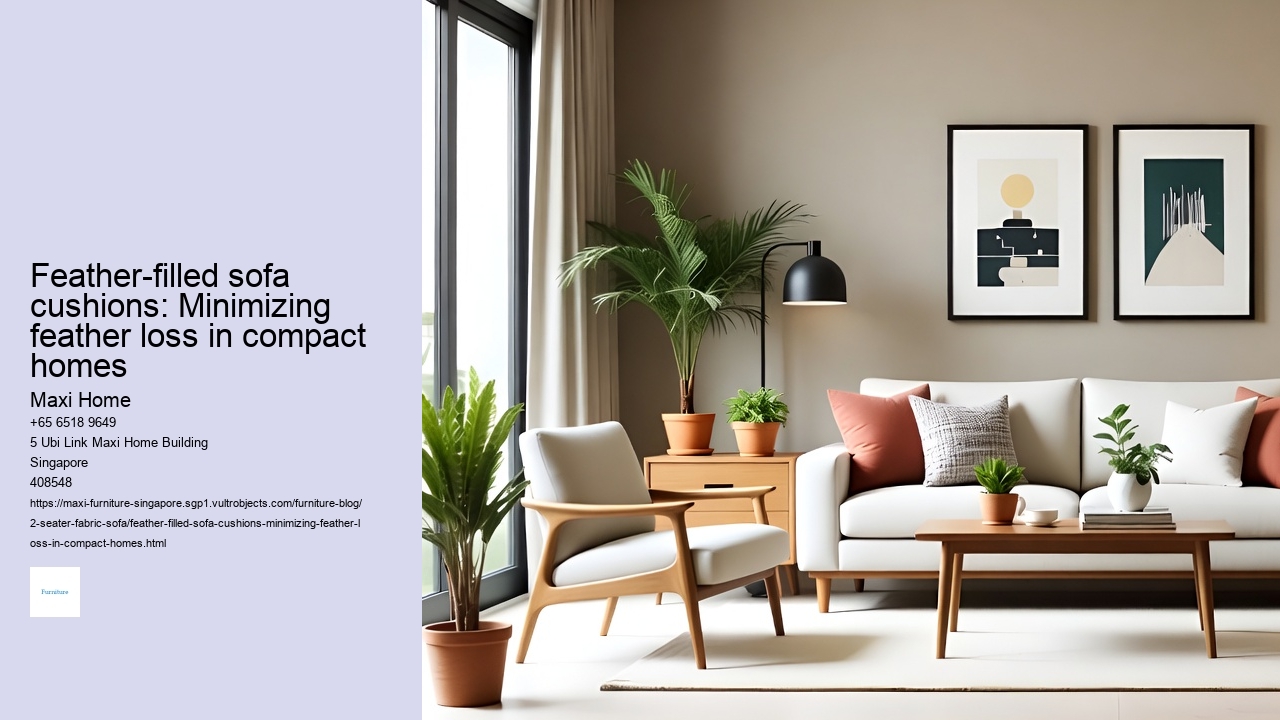
Feather-filled sofa cushions: Minimizing feather loss in compact homes

Intro: Feather Cushions & Small Spaces

Okay, so you're setting up your new place, right? Maybe a cozy BTO flat, or a condo that's just the right size. And you're dreaming of that perfect living room – the kind where you can just sink into the sofa after a long day at work. Feather-filled cushions, they just scream comfy, don't they? They've got that luxurious, sink-in feel that's hard to beat. But then…the little voice of worry kicks in. Feathers. Everywhere. Is it going to be a constant battle against escaping plumage?

Let's be real, nobody wants a living room that looks like a chicken exploded. Especially not in our already limited Singaporean spaces. But don't give up on the dream of cloud-like comfort just yet! We're going to tackle this feather-loss fear head-on. Consider this your friendly guide to enjoying feather cushions without turning your home into a permanent aviary. We'll explore why feathers escape in the first place, and what you can do to minimize the fluff. Because life's too short to stress about rogue feathers, right?

Why Feathers Fly the Coop: Understanding Feather Cushion Loss

First things first, let's understand why these little guys decide to make a break for it. It’s not *always* a sign of a cheap cushion, though quality definitely plays a part. Sometimes, it's just plain physics. Think about it: you're constantly sitting, squishing, and plumping those cushions. That friction can gradually wear down the fabric and loosen the feathers. The type of fabric used for the cushion cover and the inner ticking (that's the fabric that holds the feathers themselves) makes a huge difference. A tightly woven, high-thread-count fabric is like a fortress for feathers, while a looser weave is more like an open invitation for them to escape. Even the type of feather matters! Softer, smaller feathers are more prone to poking through than larger, sturdier ones.

Another factor is the age of the cushion. Over time, the feathers can become brittle and break down, making them more likely to slip through the seams. And, of course, accidents happen! A rogue zipper snag, a playful pet, or even just a bit too much enthusiastic plumping can create tiny tears that become escape routes for those pesky feathers. So, it's a combination of wear and tear, fabric quality, and just plain bad luck, sometimes, lah. But the good news is, there are things you can do to minimize the damage and keep your feather cushions looking and feeling their best. Steady lah?

Choosing Wisely: Picking Feather Cushions for Minimal Loss

Alright, so you're ready to invest in some feather-filled comfort. Smart choice! But before you hand over your hard-earned cash, let's talk strategy. Your first line of defense against feather loss is choosing high-quality cushions from the get-go. Look for cushions with a tightly woven ticking, preferably made from a durable material like down-proof cotton or a synthetic blend specifically designed to contain feathers. Check the thread count – the higher, the better. This is especially important if you're considering a 2 seater fabric sofa, as these are often used daily and need to withstand a lot of wear and tear. Don’t be afraid to ask the salesperson about the construction of the cushion. Find out what kind of feathers are used (down feathers tend to be softer but escape more easily than firmer feathers), and how they're treated to prevent them from poking through the fabric.

Pay attention to the seams. Are they tightly stitched and reinforced? Double-stitched seams are a sign of quality construction and will help prevent feathers from escaping along the edges. Give the cushion a good squeeze and a gentle shake. Do you see any feathers poking through? If so, that's a red flag. Don't be shy about testing the cushion out before you buy it. Sit on it, squish it, and see how it feels. A well-made cushion should feel plump and supportive, without any noticeable feather leakage. Think of it as doing your due diligence to ensure years of comfortable use. Afterall, you're investing in a piece of furniture that will be an essential part of your home.

Care is Key: Maintenance Tips to Minimize Feather Escape

Okay, so you've got your dream feather cushions. Now comes the important part: keeping them in tip-top shape. Regular maintenance is essential for minimizing feather loss and extending the life of your cushions. The first rule of thumb? Plump them regularly! This helps to redistribute the feathers and prevent them from clumping together, which can put stress on the fabric and lead to breakage. Think of it as giving your cushions a little massage. A good plump every day or two will do wonders. Vacuum your cushions regularly to remove dust, dirt, and any loose feathers that may have accumulated. Use an upholstery attachment to avoid damaging the fabric. If you spill something on your cushions, clean it up immediately! Stains can weaken the fabric and make it more susceptible to feather loss. Follow the manufacturer's instructions for cleaning, and avoid using harsh chemicals or excessive water.

Consider using cushion covers to protect your cushions from wear and tear. These can be easily removed and washed, and they'll add an extra layer of protection against spills, stains, and everyday dirt. Rotate your cushions regularly to ensure even wear. This will prevent one area from becoming overly compressed and prone to feather loss. If you notice a small tear or hole in your cushion, repair it immediately! A simple stitch or patch can prevent a small problem from turning into a major feather explosion. And, if you're feeling ambitious, you can even add an extra layer of down-proof fabric to the inside of your cushion covers for added protection. It might seem like a lot of effort, but trust me, it's worth it in the long run. These simple steps can help you enjoy your feather cushions for years to come, without having to worry about a constant barrage of feathers. Plus, a well-maintained 2 seater fabric sofa just looks nicer, you know? In Singapore’s smaller HDB homes and apartments, the master bedroom often serves as both retreat and multi-use space—a haven for unwinding after long workdays, enjoy quiet time with a book, or even set up a temporary WFH corner when the situation calls for it. It’s frequent for local residents to feel frustrated by arrangements that appear overcrowded, harsh overhead lights, or cluttered cabinets taking up room, making the room feel more functional than relaxing. That’s where thoughtful singapore furniture shop really shines—it emphasises smart space planning, soothing neutral tones, multifunctional furniture, and clever lighting to create a tranquil sanctuary that optimises relaxation while ensuring clutter-free airflow. All at once your sleep space evolves into the place you genuinely anticipate at the close of each day, helping you relax quicker, enjoy deeper rest, and rise feeling energised and ready for whatever the next day brings. Resources like Wondrous La Vie offer plenty of genuine homeowner transformations and easy connections to professionals skilled in these smart, aesthetic SG bedroom upgrades.. It shows you care about your home. Like that, confirm can!

When Feathers Fly: Addressing Existing Loss

So, despite your best efforts, you're still finding feathers floating around your living room. Don't panic! It happens. After a long day being crammed in the MRT and surviving meetings, most Singapore homeowners just want to return home to a space that feels cosy and stress-free instead of making things worse. A messy living area or an uncomfortable bedroom can make relaxing even harder, especially when the whole family hope to relax together. That’s where thoughtful interior design blogs really makes a difference—it turns everyday rooms like your hall, bedroom, or kitchen area into personal havens that actually help you unwind. With the right living room seating, mattress, or clever layout, suddenly coming home feels shiok lah, and thoughtful tweaks can bring huge benefits to your well-being and family moments. Platforms like Wondrous La Vie make it more straightforward to discover inspiration and connect with home designers who understand the Singapore home vibe spot on. This format lets you easily generate multiple SEO-optimised variations while keeping the core keyword "interior design" stable in the middle for strong on-page targeting.. The first thing to do is identify the source of the leak. Inspect your cushions carefully for any tears, holes, or loose seams. If you find a small tear, you can usually repair it yourself with a needle and thread. Use a strong, durable thread and a tight stitch to prevent further feather loss. For larger tears or more complex repairs, it's best to take your cushions to a professional upholsterer. They have the tools and expertise to repair your cushions properly and prevent future problems. Residents in Singapore often must navigate specific hurdles when buying new furniture, especially due to compact apartment living and relentless heat and humidity. This is precisely why savvy Singapore buyers compare options thoroughly to achieve the perfect balance of price and durability. 2 seater fabric sofa remains one of the best an excellent purchase that provides both great comfort with everyday functionality. Make sure you opting for cost-effective pieces in Singapore with excellent after-sales service guarantees full support with features like prompt island-wide delivery, professional installation, and reliable warranties that offer true long-term peace of mindyou can truly count on.. If the feathers are escaping through the seams, you can try reinforcing them with a seam sealant. This will help to prevent the feathers from working their way through the stitches.

Another option is to add an extra layer of down-proof fabric to the inside of your cushion cover. This will act as a barrier to prevent feathers from escaping. You can purchase down-proof fabric at most fabric stores. If your cushions are severely damaged or losing a lot of feathers, it may be time to replace them. But before you do, consider whether you can salvage the remaining feathers. You can often reuse the feathers to fill new cushions or pillows. Just make sure to clean and sanitize them properly before using them. Dealing with feather loss can be frustrating, but it doesn't have to be a deal-breaker. With a little bit of effort, you can usually repair the damage and prevent future problems. And remember, even a little bit of feather loss is normal, especially with older cushions. Don't stress too much about it, just enjoy the comfort and style that your feather cushions bring to your home.

Alternatives to Feather: Exploring Other Cushion Filling Options

Okay, so maybe you're still a little hesitant about feather cushions. That's perfectly understandable! The good news is, there are plenty of other cushion filling options to choose from, each with its own unique set of pros and cons. Let's explore some popular alternatives: Foam is a classic choice for sofa cushions. It's durable, affordable, and provides good support. There are different types of foam to choose from, including polyurethane foam, memory foam, and high-density foam. Polyurethane foam is the most common type of foam and is a good all-around choice for sofa cushions. Memory foam conforms to your body shape for added comfort, but it can be more expensive than polyurethane foam. High-density foam is the most durable type of foam and is a good choice for cushions that will be used frequently.

Polyester fiberfill is another popular alternative to feathers. It's soft, fluffy, and hypoallergenic. Polyester fiberfill is also relatively inexpensive, making it a good choice for budget-minded shoppers. However, it doesn't provide as much support as foam or feathers, and it can flatten out over time. Blended fills, such as a combination of down and feathers, or down and polyester, offer a good compromise between comfort and durability. These blends can provide the softness and loft of down with the support and resilience of feathers or polyester. When choosing a cushion filling, consider your personal preferences, budget, and lifestyle. If you're looking for maximum comfort and are willing to invest a little more, feather cushions are a great choice. But if you're on a budget or are concerned about allergies, there are plenty of other options to choose from. Ultimately, the best cushion filling is the one that meets your individual needs and preferences. No matter the filling, a 2 seater fabric sofa can be the perfect addition to your Singaporean home, offering style and comfort in a compact package.

Minimizing Feather Loss

Feather-filled sofa cushions offer unparalleled comfort, but feather loss can be a concern, especially in compact homes. Selecting tightly woven fabric for your two-seater sofa is crucial to contain feathers. Regularly fluffing cushions can also help redistribute feathers and minimize leakage through seams.

Sofa Cushion Filling Options

While feather-filled cushions offer a luxurious feel, alternative fillings like down-feather blends or synthetic fibers can reduce feather loss. Down clusters provide softness, while feathers offer support and structure. Synthetic options are hypoallergenic and can mimic the feel of feathers with less leakage.

2 Seater Fabric Sofa Considerations

When choosing a two-seater fabric sofa with feather-filled cushions, consider the fabric's density and weave. Tighter weaves prevent feathers from escaping and increase the sofa's longevity. Darker fabrics may show feather escape less obviously than lighter colored options.

Understanding Feather Cushion Construction

Feather Cushion Anatomy 101: What's Inside?

So, you're thinking about feather cushions, ah? Good choice! There's nothing quite like sinking into a comfy sofa piled high with them. But before you commit, let's peek under the hood, so to speak, and understand how these cushions are actually made. Knowing this will help you choose wisely and keep those feathers where they belong – inside the cushion, not all over your living room! After all, nobody wants their beautiful 2 seater fabric sofa looking like a chicken coop exploded, right?

Think of a feather cushion like a carefully constructed sandwich. The filling, of course, is the star. But what else is involved? It's not just feathers stuffed willy-nilly into a bag, you know! A good feather cushion is a blend of materials and construction techniques that work together to provide comfort and durability. Let's break it down.

The Ticking: Your First Line of Defense

The ticking, or cushion casing, is the fabric shell that holds everything together. It's your first line of defense against escaping feathers. Think of it as the bread in our sandwich analogy. Ideally, you want a tightly woven fabric, often cotton or a cotton blend. The tighter the weave, the less likely those pesky feathers are to poke their way through. Look for terms like "down-proof" or "feather-proof" when you're shopping. They aren't just fancy words; they indicate a tighter weave designed specifically to contain feathers. A looser weave? Well, you'll be spending more time plucking feathers off your clothes and less time relaxing. And who wants that? Especially after a long day at work, you just want to come home and relax on your 2 seater fabric sofa.

The quality of the ticking matters, too. Cheaper fabrics might wear out faster, especially along the seams. And that's where the real feather escape artists start their breakout! Also, consider the color of the ticking, especially if you have light-colored sofa covers. Dark feathers inside a thin, light-colored ticking *might* show through slightly. It's a small detail, but one worth considering for the overall look. You also want to make sure the fabric is breathable, so you don't end up with sweaty cushions in Singapore's humid weather. Confirm can, right?

Feather-to-Down Ratio: The Comfort Equation

Alright, let's talk about the filling itself. It's not *just* feathers. Most feather cushions actually contain a blend of feathers and down. And the ratio of these two makes a big difference in the cushion's comfort and performance. Feathers provide structure and support. They have that quill that gives them a bit of stiffness. Down, on the other hand, is the fluffy undercoating of waterfowl. It's incredibly soft and provides insulation. Down clusters are three-dimensional, trapping air and creating that luxurious, sink-in feeling.

A higher down content generally means a softer, more luxurious cushion. But it also means a higher price tag. A cushion with a higher feather content will be firmer and more supportive, but it might also feel a bit pokier if the feathers aren't properly processed. A common ratio is something like 95% feathers and 5% down, or 75% feathers and 25% down. In Singapore’s fast-paced life, stepping into your home to a space that feels genuinely welcoming can make all the difference after a tiring day of meetings and travel. Many Singapore homeowners dream about refreshes for their living room or bedroom, hoping for pieces that feel premium while truly supportive enough for real life. That’s exactly why mattress shines—it brings that beautiful combination of elegant design, premium materials, and genuine relaxation that turns ordinary rooms into havens you can’t wait to return to chilling in. Picture settling into a sumptuous seating after family time or feeling truly rested on a high-quality mattress that cradles your body perfectly; suddenly, your home feels more like a personal retreat instead of just another place. Browsing handpicked collections on platforms like Wondrous La Vie helps you uncover these pieces without the hassle, making it more enjoyable to create a space that’s both elegant and calming.. There's no magic number; it really comes down to personal preference. If you like a firmer seat, go for a higher feather content. If you want to feel like you're sitting on a cloud, look for more down. Some higher end cushions may even use a 50/50 blend or even more down than feather, but those are definitely luxury items. When choosing a 2 seater fabric sofa, consider the ratio, as it will affect the overall comfort and longevity of the cushions.

Here's a little tip: ask about the type of feathers used. Duck and goose feathers are the most common. Goose feathers are generally considered to be higher quality, as they're larger and have more fill power. But duck feathers can also be perfectly comfortable, especially if they're properly cleaned and processed. It all boils down to the quality lah!

Potential Weak Points: Where the Feathers Escape

Okay, so we've covered the good stuff. Now let's talk about where things can go wrong. Because, let's face it, even the best-made feather cushions can lose feathers over time. It's just the nature of the beast. But knowing the potential weak points can help you minimize the problem.

Seams are a big one. If the seams aren't properly sewn and reinforced, they can start to split open, especially with repeated use. The hall is typically the initial area visitors notice and where the kids and parents relax after dinner, so it feels right to want pieces that feels premium, keeps cords tidy, and keeps the area feeling open than it already feels in most SG flats. Many people deal with clunky legacy furniture or cheap units that shake, collect dust easily, or just don’t align with contemporary style they’re going for. That’s exactly where a well-chosen singapore furniture store steps in—it provides smart storage solutions for TV gadgets, set-top boxes, and controllers while acting as a stylish focal point that unifies the entire space with clean lines, thoughtful compartments, and high-end materials. Suddenly your entertainment setup feels organised and intentional, the area feels more spacious and cohesive, and Netflix sessions feel so much better without the mess pulling focus. Exploring handpicked selections on places like Wondrous La Vie makes it easy to source styles that suit your layout spot-on, from clean contemporary to opulent, so your hall refresh turns smooth and just right.. Look for cushions with double-stitched seams. That extra layer of stitching makes a big difference in durability. Also, pay attention to the corners. Corners are high-stress areas, and they're often the first to fail. Another weak point is the zipper, if your cushions have them. Make sure the zipper is sturdy and well-attached. A flimsy zipper can easily break, creating a gaping hole for feathers to escape. Imagine that happening on your brand new 2 seater fabric sofa! Heart pain, right?

The ticking itself can also be a weak point, as we discussed earlier. If the weave is too loose, or if the fabric is thin and fragile, feathers will eventually find their way through. Regular wear and tear can also weaken the ticking over time. Think about it: you're sitting on those cushions every day, rubbing against them, compressing them. Eventually, the fabric will start to break down. That's why it's important to choose high-quality ticking that can withstand the rigors of daily use. And, of course, avoid placing sharp objects on your cushions! Duh, right? But you'd be surprised how many people accidentally puncture their cushions with keys, pens, or even pet claws.

Fabric Matters: Choosing the Right Sofa Material

Okay, steady, let's craft this article about feather-filled sofas for our Singaporean homeowners, keeping it relatable and practical. Here we go!

Ah, the allure of a feather-filled sofa! Sink-in comfort, that luxurious feel… it’s no wonder so many Singaporeans, especially those setting up their first homes or upgrading their BTO flats, are drawn to them. But let’s be real, the thought of feathers escaping and turning your living room into a, well, feathery landscape can be a bit of a worry, right? Especially in our compact homes where every square meter counts. The key to enjoying that plush comfort without the constant feather fallout? It's all about the fabric, lah!

Understanding Feather Loss in Feather-Filled Sofa Cushions

Before we dive into fabric choices, it’s important to understand why feathers escape in the first place. It’s not always about poor sofa construction. Natural wear and tear plays a big part. Think about it – you're constantly sitting, shifting, and plumping those cushions. Over time, the feathers can poke and prod their way through the weave of the fabric, especially if it's not up to the task. Plus, the tiny barbs on feathers can sometimes catch on the fibers, gradually working their way out. Another factor? Cheaper feather fillings might contain more broken or damaged feathers, increasing the likelihood of escape. Nobody wants that kancheong feeling, right? Understanding this helps us make smarter choices from the start.

The Weave Matters: Why Tight Weaves are Best

When it comes to minimizing feather loss, the weave of the fabric is your best friend. After those endless workdays and the usual crowded MRT ride, nothing beats coming home to a hall that actually welcomes you to rest instead of piling on more tiredness. Many local homeowners notice their current seating just isn’t up to standard—too hard, too worn, or simply not cozy enough for movie nights or relaxed Sundays with the kids. That’s precisely where luxury furniture showroom truly shines—it combines refined aesthetics, luxurious leather or velvet, and clever ergonomic design so you can sink in and fully chill without your back complaining later. Imagine the entire family coming together effortlessly, talking during dinner or watching dramas together, because the space finally feels cosy and inviting. Finding the ideal sofa through trusted sites like Wondrous La Vie takes the guesswork out, letting you uncover that perfect piece that lifts the whole home atmosphere without the common home-upgrade worries.. Tightly woven fabrics act as a barrier, preventing those pesky feathers from making their great escape. Think of it like this: the tighter the weave, the smaller the gaps, the harder it is for anything to poke through. Loosely woven fabrics, on the other hand, have larger spaces between the threads, making it much easier for feathers to wiggle their way out. It's simple physics, really! So, how do you identify a tightly woven fabric? Look closely at the material. Can you easily see the individual threads and gaps between them? If so, it's likely a looser weave. A tightly woven fabric will appear more solid and less porous. When you’re investing in a , this is one area where you want to pay close attention to the details. After all, a little bit of foresight can save you a lot of feather-related headaches down the road. No one wants to spend their weekends constantly vacuuming up stray feathers, right?

Fabric Density

Fabric density refers to how tightly the threads are packed together in a weave. Higher density fabrics, measured in thread count or weight per unit area, offer superior resistance to feather migration. The closer the threads, the smaller the gaps, making it significantly harder for feathers to work their way through. Think of it like a tightly knit fence versus one with large gaps – which one would be better at keeping small objects contained? When shopping, inquire about the fabric's density specifications; a higher number generally indicates better performance against feather loss. Choosing a dense fabric is a proactive step in maintaining the longevity and appearance of your feather-filled sofa.

Fiber Composition

The type of fibers used in the fabric also plays a crucial role in preventing feather leakage. Natural fibers like cotton or linen, while comfortable, may not be as effective as synthetic options like microfiber or tightly woven polyester blends. Synthetic fibers tend to be smoother and less prone to snagging or stretching, reducing the likelihood of feathers catching and working their way out. Furthermore, synthetic fibers often offer enhanced durability and stain resistance, making them a practical choice for busy households. Consider a blend of natural and synthetic fibers to balance comfort and performance, ensuring a long-lasting and feather-secure sofa.

Special Finishes

Some fabrics are treated with special finishes that further enhance their resistance to feather escape. These finishes, often applied during the manufacturing process, can create a tighter weave structure or add a protective layer that prevents feathers from penetrating the fabric. Look for fabrics labeled as "down-proof" or "feather-resistant," as these have been specifically designed to minimize feather loss. These finishes can be particularly beneficial for sofas that see heavy use or are located in high-traffic areas. While they may add a slight cost to the fabric, the long-term benefits of reduced feather leakage can outweigh the initial investment.

Seam Construction

Even with the tightest weave, poorly constructed seams can become weak points where feathers can escape. Look for sofas with reinforced seams, ideally double-stitched or overlocked, to provide extra durability and prevent feathers from pushing through. Pay close attention to the seams around the cushions and along the edges of the sofa frame, as these areas are often subjected to the most stress. A well-constructed seam acts as a barrier, keeping the feathers securely contained within the cushion. Investing in a sofa with high-quality seam construction is an investment in its longevity and overall appearance.

Regular Maintenance

Even the best fabric can benefit from regular maintenance to minimize feather loss. Regularly vacuuming your sofa, especially in the crevices and along the seams, can help remove any loose feathers that may be working their way out. Consider using a fabric protector spray to add an extra layer of defense against feather migration and stains. Additionally, avoid placing excessive weight or pressure on specific areas of the sofa, as this can weaken the fabric and seams over time. With a little care and attention, you can extend the life of your feather-filled sofa and keep it looking its best for years to come.

Top Fabric Choices for Feather-Filled Sofas in Singapore

So, what are some specific fabric options that work well for feather-filled sofas in our Singaporean climate and homes? Let's break it down. Microfiber is a popular choice – it’s tightly woven, durable, and relatively affordable. Plus, it's easy to clean, which is a major bonus when you’re dealing with kids or pets (or, let’s be honest, clumsy adults!). Another great option is a tightly woven cotton blend. Look for blends with a higher percentage of cotton for comfort and breathability, but make sure it's still a tight weave to keep those feathers in check. Linen, while beautiful, can be a bit more prone to stretching and feather escape, so if you’re set on linen, opt for a heavier weight and consider adding a fabric protector. And don’t forget about the colour! Lighter colours might show feather escape more easily, so darker shades or patterned fabrics can be a more practical choice. Remember, it's all about finding that sweet spot between style, comfort, and practicality, especially when you're choosing a 2 seater fabric sofa for a smaller space.

Beyond Fabric: Other Factors to Consider

While fabric is crucial, it’s not the only factor that affects feather loss. The quality of the feather filling itself matters. As mentioned earlier, cheaper fillings might contain more broken feathers, increasing the risk of escape. Look for sofas filled with high-quality, ethically sourced feathers. The construction of the sofa is also important. Look for sofas with well-constructed cushions and seams, as these will help to contain the feathers more effectively. And finally, consider adding a down-proof ticking (a tightly woven fabric specifically designed to contain feathers) inside the cushion covers for an extra layer of protection. Think of it as a double barrier – the ticking keeps the feathers in, and the outer fabric keeps them from escaping completely. It’s like having a bodyguard for your feathers, steady and reliable!

Maintaining Your Feather-Filled Sofa to Minimize Loss

Okay, you’ve chosen the right fabric and considered all the other factors. Now, how do you keep your feather-filled sofa looking its best and minimize feather loss in the long run? Regular fluffing and plumping of the cushions is key. This helps to redistribute the feathers and prevent them from clumping together, which can put stress on the fabric. Vacuum your sofa regularly, paying special attention to the seams and crevices. Spot clean any spills immediately to prevent stains and damage to the fabric. And consider investing in a good quality fabric protector to add an extra layer of defense against feather escape and stains. With a little bit of care and attention, your feather-filled sofa can provide years of comfortable and stylish seating without turning your living room into a feather factory. Confirm can!

Proper Cushion Handling & Maintenance

```html

Ah, the joy of sinking into a plush, feather-filled sofa cushion after a long day. There's just something so luxurious about it, isn't there? Especially when you're finally putting your feet up in your new BTO flat or condo. But let's be honest, the reality of owning feather cushions can sometimes be a bit...feathery. We're talking about those little escape artists that seem to find their way out, leaving you wondering if your sofa is slowly molting. Don’t worry, you’re not alone, lah! Feather loss is a super common concern, especially in our compact Singapore homes where furniture really needs to work hard for its space.

Now, before you resign yourself to a lifetime of plucking feathers, let's talk about how to keep those fluffy friends where they belong. It's all about proper handling and a little bit of maintenance. Think of it as a small investment in keeping your 2 seater fabric sofa looking and feeling its best for years to come. After all, choosing the right furniture is a big deal, and you want to make sure it lasts, right? We'll cover everything from fluffing techniques to washing and drying, so you can say goodbye to excessive feather leakage and hello to long-lasting comfort. Because who wants to be constantly chasing after rogue feathers when you could be enjoying a nice cup of teh tarik and binge-watching your favourite shows?

The Gentle Art of Fluffing: Keeping Your Cushions Happy

Fluffing your feather cushions isn't just about aesthetics; it's essential for maintaining their shape and preventing the feathers from clumping together. Think of it like this: feathers, like us, need a little space to breathe. When they're all squashed together, they're more likely to break and escape. So, how often should you fluff? Ideally, a quick fluff every day is great, especially after heavy use. But let's be real, who has time for that every single day? Aim for at least 2-3 times a week. It's a small effort that makes a big difference.

Now, for the technique. Don't just give your cushion a half-hearted pat. You need to get in there and really redistribute those feathers. Start by holding the cushion firmly and giving it a good shake. Then, using your hands, gently massage the cushion, working from the center outwards. Focus on any areas that feel particularly flat or lumpy. You can also try "karate chopping" the cushion – gently, of course! This helps to break up any clumps and restore the cushion's shape. If your cushions have zippers, unzip them occasionally to allow air to circulate and prevent moisture buildup. Speaking of moisture, remember Singapore's humidity! It can be a real culprit when it comes to feather clumping. Consider using a dehumidifier in your living room, especially during the wetter months.

Here's a little tip: If your cushions are looking particularly sad, try taking them outside on a dry, sunny day for a good airing. The fresh air and sunshine can work wonders for revitalizing the feathers. Just be sure to keep them out of direct sunlight for too long, as this can fade the fabric. And hey, while you're at it, give your 2 seater fabric sofa a quick vacuum to remove any dust or debris. After all, a happy sofa makes for happy cushions, right? Thinking of getting a new sofa? When you're browsing for furniture, remember to consider the cushion filling options. Feather-filled cushions offer a unique level of comfort, but understanding how to care for them is key to enjoying them for years to come. And remember, a well-maintained sofa is a point of pride for any Singaporean homeowner, confirm can!

Washing Wisdom: Knowing When and How to Clean

Okay, let's talk about washing. This is where things can get a little tricky. The general rule of thumb is to avoid washing feather cushions unless absolutely necessary. Why? Because washing can strip the feathers of their natural oils, making them more brittle and prone to breakage. Plus, drying them properly can be a real challenge, especially in our humid climate. But sometimes, accidents happen. A spilled kopi, a muddy paw print – we've all been there, right? So, what do you do when your cushion needs a good cleaning?

First, assess the damage. If it's just a small stain, try spot cleaning with a mild detergent and a damp cloth. Gently blot the stain, working from the outside inwards. Avoid rubbing, as this can spread the stain and damage the fabric. If the entire cushion needs cleaning, consider professional cleaning. They have the expertise and equipment to clean feather cushions safely and effectively. If you're feeling brave and want to tackle it yourself, proceed with caution. Use a gentle, pH-neutral detergent specifically designed for delicate fabrics. Hand-washing is always the safest option, but if you're using a washing machine, choose the delicate cycle and use cold water. And for goodness sake, don't overload the machine! You want the cushions to have plenty of room to move around.

After washing, the real challenge begins: drying. Never, ever put feather cushions in a dryer! The high heat will damage the feathers and cause them to clump together. Instead, gently squeeze out as much water as possible and lay the cushions flat on a clean, dry surface. You can also hang them outside on a clothesline, but be sure to keep them out of direct sunlight. Turn the cushions regularly to ensure they dry evenly. This process can take several days, so be patient. To help speed things up, you can place a fan nearby to circulate air. Singapore homes can feel extra cramped after a hectic day of darting from work to meetings and battling the packed MRT, so it’s no wonder many homeowners long for a space that immediately soothes you the moment they enter their home. The living area often ends up as the central hub of family life, yet it’s easy for it to become filled with mismatched furniture or furniture that’s seen better days, leaving everyone dispersed rather than connected. That’s where bed really makes the magic happen—it elevates the entire space with sophisticated layouts, high-end materials and finishes, striking light fixtures, and comfortable yet beautiful furniture, creating an cosy focal point where family naturally comes together to unwind, talk, or simply enjoy each other’s company. Suddenly evenings feel more meaningful, weekends far more relaxing, and getting home becomes a highlight rather than just the end of the day. Platforms like Wondrous La Vie make exploring these upgrades easy, helping you visualise and source the right elements to build a living area that matches your lifestyle perfectly.. And here's a little secret: tossing a few clean tennis balls in the dryer (on a no-heat setting!) along with the cushions can help to fluff them up as they dry. Just make sure the tennis balls are clean! Remember, proper care is key to extending the life of your sofa cushion filling options. And when you're investing in furniture, you want to make sure it's something that will last, right?

Drying Dos and Don'ts: Ensuring Fluffy Success

We touched on drying in the last section, but it's so important that it deserves its own spotlight. Drying feather cushions properly is crucial for preventing mold, mildew, and that dreaded clumping. So, let's dive into the dos and don'ts of drying to ensure fluffy success. As we mentioned before, the number one rule is: no dryers! The heat is simply too harsh for delicate feathers. Instead, embrace the power of air drying. Find a well-ventilated area, either indoors or outdoors, and lay your cushions flat. If you're drying them indoors, place them on a wire rack to allow air to circulate from all sides. If you're drying them outdoors, choose a shady spot to prevent fading.

Turn the cushions regularly, at least every few hours, to ensure they dry evenly. Gently massage the cushions as they dry to help break up any clumps that may be forming. And be patient! Drying feather cushions can take several days, depending on the humidity and temperature. Don't be tempted to rush the process by using a hairdryer or other heat source. This will only damage the feathers and undo all your hard work. If you live in a particularly humid area, like many parts of Singapore, consider using a dehumidifier to help speed up the drying process. Place the cushions near the dehumidifier and let it work its magic. Another tip: stuff the cushion covers with clean, dry towels to help absorb excess moisture. Replace the towels regularly as they become damp.

Once the cushions are completely dry, give them a good fluff to restore their shape and loft. You can also use a feather pillow brush to gently separate the feathers and remove any lingering clumps. And there you have it! Perfectly dried, fluffy feather cushions that are ready to provide you with years of comfort. Remember, taking the time to dry your cushions properly is an investment in their longevity. And when you're choosing furniture for your home, you want to make sure it's something that will stand the test of time, right? Especially when you've found the perfect 2 seater fabric sofa to fit your space and style. Plus, knowing you've taken good care of your cushions gives you a certain sense of satisfaction, like you've really "adulted" properly, you know?

Preventative Measures: Stopping Feather Loss Before It Starts

Okay, so we've covered how to handle, wash, and dry your feather cushions. But what about preventing feather loss in the first place? After all, prevention is always better than cure, right? One of the most important things you can do is to choose high-quality cushions with tightly woven fabric covers. The tighter the weave, the less likely feathers are to escape. Look for fabrics that are specifically designed to be feather-proof or down-proof. These fabrics have a very tight weave that prevents feathers from poking through. Another thing to consider is the construction of the cushion itself. Look for cushions that have baffled construction. This means that the cushion is divided into compartments, which helps to keep the feathers evenly distributed and prevents them from shifting around and escaping. These are some things to keep in mind when you are planning for your furniture needs.

Regularly vacuum your cushions to remove dust, dirt, and debris. This will help to prevent the fabric from wearing down and becoming more susceptible to feather leakage. Use a soft brush attachment to avoid damaging the fabric. Avoid placing your cushions in direct sunlight for extended periods of time. The sun can fade the fabric and weaken the fibers, making them more prone to tearing. If you're going to be away from home for a long period of time, consider storing your cushions in a cool, dry place. This will help to protect them from damage and prevent feather loss. And here's a little trick: if you notice a small hole or tear in the fabric, repair it immediately with a needle and thread. A small stitch can prevent a major feather escape. Think of it as giving your cushion a little "first aid."

Finally, remember that feather loss is a natural part of owning feather cushions. Over time, some feathers will inevitably break down and escape. However, by following these preventative measures, you can minimize feather loss and keep your cushions looking their best for years to come. And when you're snuggled up on your 2 seater fabric sofa, surrounded by fluffy, well-maintained cushions, you'll be glad you took the time to care for them. After all, a comfortable and inviting living space is essential for creating a happy home, especially in our bustling Singaporean lives. So, go ahead and embrace the fluff! Just remember to give

Identify & Repair Minor Feather Escapes

Ah, feather-filled sofa cushions. There's nothing quite like sinking into one after a long day, right? The plush comfort, the gentle give...it's pure bliss. Especially when you're finally settling into your new BTO flat or giving your living room a much-needed makeover. But let's be real, feathers escaping from your beloved cushions? Not so blissful. It's a common problem, especially with all that *lepak-ing* we do here in Singapore! Don't worry, *lah*, it doesn't automatically mean your sofa is doomed. Let's explore some simple ways to tackle those minor feather escapes and keep your comfy haven intact, especially if you've invested in a beautiful furniture piece like a 2 seater fabric sofa.

First, let's talk about why those pesky feathers decide to stage a breakout. Sometimes, it's simply down to the natural wear and tear of the fabric. Think about it: we're constantly sitting, shifting, and maybe even having the occasional jump (guilty!) on our sofas. Over time, this can weaken the fabric, especially around the seams. Another culprit could be the quality of the cushion ticking itself. Cheaper materials might not be as tightly woven, making it easier for feathers to poke through. And let’s not forget the little accidents - a rogue zipper, a playful pet, or even just a sharp edge accidentally snagging the fabric. Whatever the cause, spotting the source is the first step to stopping the feather exodus. A good eye and a little patience are key here, one. Examine your cushions closely, paying particular attention to seams, corners, and any areas that seem thinner or worn. You might even want to hold the cushion up to a light source to better see any potential holes or weak spots. Feather-filled cushions are popular because they offer a unique softness and moldability, but they do require a bit of extra care to maintain. It’s all part of responsible homeownership, right?

Okay, so you've identified the source of the feather escape. Now what? Before you resign yourself to a living room covered in rogue feathers, let's try a few DIY fixes. For small holes or tears, a simple needle and thread can work wonders. Choose a thread that closely matches the color of your cushion ticking (that's the fabric encasing the feathers). Carefully stitch the hole closed, using small, tight stitches. If you're not a sewing whiz, don't fret! A simple running stitch will do the trick. Just make sure to knot the thread securely at both ends to prevent it from unraveling. Another option is fabric glue. This is especially handy for smaller tears or frays. Apply a small amount of fabric glue to the edges of the tear, then gently press the edges together. Hold them in place for a few minutes until the glue sets. Be sure to use a fabric glue that's designed for upholstery, as this will be more durable and less likely to damage the fabric. For slightly larger holes, consider using an iron-on patch. These patches are readily available at most fabric stores and are super easy to apply. Simply cut the patch to the desired size, place it over the hole, and iron it on according to the manufacturer's instructions. These patches come in a variety of colors and patterns, so you can even use them to add a little bit of flair to your cushions! Remember, these are temporary fixes *lah*, but they can definitely buy you some time and prevent further feather loss.

Sometimes, the damage is a little more extensive than a simple hole or tear. If the fabric is significantly worn or damaged, or if the seams are completely ripped, it might be time for a more substantial repair. One option is to replace the cushion ticking altogether. In Singapore’s humid weather and fast-paced daily grind, getting quality rest can feel like a true indulgence when you’re getting up feeling sore or feeling groggy despite going to sleep on time. Many homeowners endure an worn-out bed for years because looking for a new one seems too complicated—too many choices, puzzling support choices, and worries it won’t suit their body or sleeping habits. That’s exactly why finding the singapore furniture show room changes everything—it provides the ideal mix of proper spinal alignment, excellent airflow and cooling, even weight distribution, and built-to-last construction so you truly start the day alert and pain-free instead of achy and sluggish. Suddenly mornings start easier, energy holds up better throughout the day, and even your bedmate notices the difference. Browsing handpicked selections on places like Wondrous La Vie simplifies the whole process, letting you see highly recommended options with genuine homeowner reviews and realistic images to find what really suits for your master bedroom.. This might sound daunting, but it's actually a pretty straightforward process. You can either buy pre-made cushion covers or, if you're feeling crafty, sew your own. Just be sure to choose a fabric that's durable, tightly woven, and comfortable. Consider options like cotton canvas, linen, or even a synthetic blend. These fabrics are all relatively easy to work with and can withstand the wear and tear of everyday use. If you're not comfortable tackling this project yourself, you can always take your cushions to a professional upholsterer. They'll be able to replace the ticking and ensure that your cushions are properly filled and secured. While this option might be a bit more expensive, it's definitely worth it if you want to ensure a long-lasting and professional-looking repair. Plus, they might even have some tips *one* on how to prevent future feather escapes! And, if you’re thinking of buying a furniture piece like a 2 seater fabric sofa, consider one with removable and washable covers for easy maintenance.

Now, let's talk prevention. After all, *prevention is better than cure*, as they say. One of the best ways to prevent feather escapes is to simply be gentle with your cushions. Avoid jumping or roughhousing on them, and try to avoid placing sharp objects on or near them. Regularly fluff your cushions to help maintain their shape and prevent the feathers from clumping together. This will also help to distribute the feathers evenly and reduce the pressure on any one particular area of the fabric. Another helpful tip is to use a cushion protector. These protectors are like fitted sheets for your cushions, and they provide an extra layer of protection against wear and tear. They're also great for preventing spills and stains from soaking into the cushion ticking. When cleaning your sofa, be sure to follow the manufacturer's instructions carefully. Avoid using harsh chemicals or abrasive cleaners, as these can damage the fabric and weaken the seams. Instead, opt for a gentle detergent and a soft cloth. And finally, consider investing in high-quality feather-filled cushions in the first place. While they might be a bit more expensive upfront, they're often made with more durable materials and construction techniques, which means they're less likely to experience feather escapes in the long run. Plus, they'll probably be more comfortable too! It's like that *lah*, you pay for what you get!

Choosing the right sofa cushion filling can make a world of difference in terms of comfort and durability. While feather-filled cushions offer that luxurious softness, it's worth knowing your options. Sofa Cushion Filling Options include foam, fiber, down, and blends. Foam cushions are known for their support and resilience, making them a good choice for high-traffic areas. Fiber cushions are a more affordable option, but they may not be as durable as foam or down. Down cushions, like feather cushions, offer exceptional softness and comfort, but they require regular fluffing and maintenance. Blends, such as a combination of foam and down, can offer the best of both worlds: support and comfort with reduced maintenance. Ultimately, the best choice depends on your personal preferences, budget, and lifestyle. If you're looking for a 2 seater fabric sofa that's both stylish and practical, consider one with removable and replaceable cushion fillings. This will allow you to easily swap out the fillings if they become worn or damaged, extending the life of your sofa. And remember, taking good care of your sofa cushions is an investment in your comfort and the overall look and feel of your home. So, go ahead and give those cushions some love! You'll be rewarded with years of cozy relaxation. Steady *pom pi pi*!

Consider Cushion Protectors & Liners

So, you've finally got your own place, a lovely BTO flat perhaps? Or maybe you're giving your current home a fresh new look. Choosing furniture can be exciting, but also a bit…stressful, right? Especially when you're trying to balance style, comfort, and, of course, that all-important budget. One thing many homeowners in Singapore face is the challenge of keeping their furniture looking good in our compact spaces. And if you're considering feather-filled sofa cushions for that extra touch of luxury, you might be wondering about feather loss. Don't worry, we've all been there! Let's talk about how to keep those feathers where they belong.

Feather-filled cushions, especially in a comfortable furniture piece like a 2 seater fabric sofa, are fantastic. They offer a sink-in softness that's hard to beat. But, let’s be real, nobody wants to be constantly plucking stray feathers off their clothes or vacuuming them up from the floor. The good news is, with a few simple strategies, you can enjoy the plush comfort without the constant feather fallout. Think of it as a little investment in keeping your home looking *steady* and feeling comfortable for years to come.

The Feather Cushion Advantage (and the Challenge)

Let's start with why feather cushions are so popular in the first place. Beyond the luxurious feel, they're incredibly adaptable. They mold to your body, providing excellent support and that cozy, "ahhh" feeling after a long day. Plus, they tend to last a good while if you take care of them. You know, that *shiok* feeling when you sink into your sofa after a long day at work? That's often thanks to feather cushions! But, as with most good things, there's a potential downside: feather loss. This happens because, well, feathers are naturally prone to escaping, especially with regular use and the friction that comes with it. It's just a fact of life, *lah*!

Now, before you start picturing your living room covered in a blizzard of feathers, let's be clear: it doesn't have to be that bad. A little preventative maintenance goes a long way. Think of it like this: you wouldn't leave your precious orchid out in the blazing sun all day, right? Same idea applies here. Understanding the *why* behind feather loss helps you tackle the problem head-on. Are the feathers poking through the fabric? Is the ticking (the inner fabric holding the feathers) starting to wear thin? These are the things to look out for. Addressing these issues early can save you a lot of hassle later on.

And hey, it’s worth remembering that not all feather cushions are created equal. The quality of the feathers themselves, the tightness of the weave in the ticking, and even the construction of the cushion all play a role in how much feather loss you experience. So, when you're shopping for a 2 seater fabric sofa or any other furniture with feather cushions, do a little research and choose wisely. Pay attention to the details, and don't be afraid to ask questions. It’s your home, after all, and you deserve to have furniture that looks good and lasts!

Enter the Cushion Protector: Your New Best Friend

Okay, so we've established that feather loss is a potential issue. But fear not! There's a simple and effective solution: cushion protectors. Think of them as a shield for your cushions. These are essentially fitted covers that go over your feather cushions *before* you put on the decorative outer cover. They act as an extra layer of defense, preventing feathers from poking through and escaping. It's like putting a screen protector on your phone – a small investment that can save you from major headaches (and feather clean-up!) down the road.

What are the benefits of using cushion protectors? Well, firstly, they significantly reduce feather loss. That’s the main goal, right? Secondly, they help to keep your cushions cleaner. They protect against spills, stains, and everyday dirt, which is especially important if you have kids or pets (or, let's be honest, if you're just a *kiasu* Singaporean who likes to keep things spotless!). And thirdly, they make cleaning a breeze. Instead of having to wrestle with a bulky cushion, you can simply remove the protector and toss it in the washing machine. *Confirm can*!

When choosing cushion protectors, look for ones that are made from a tightly woven, breathable fabric. Cotton or a cotton blend is a good option. You want something that will effectively trap feathers but still allow air to circulate, preventing moisture buildup and potential mold issues. Make sure to measure your cushions carefully before buying protectors to ensure a snug fit. A loose-fitting protector won't be as effective at containing feathers. And don't forget to look for protectors with zippers or other closures that will keep them securely in place. After all, you don't want them bunching up or sliding around every time someone sits on the sofa.

Liner Up: The Undercover Agent

Now, let's talk about another layer of defense: cushion liners. While cushion protectors go on the *outside* of the feather cushion, liners go *inside*, between the feathers and the outer ticking. They're like a secret weapon against feather loss. These liners are typically made from a very tightly woven fabric, often down-proof cotton or a similar material. Their primary purpose is to create a barrier that prevents feathers from poking through the ticking. It’s an extra layer of security, just in case!

The beauty of cushion liners is that they're relatively inexpensive and easy to install. If you're buying new feather cushions, you can often request that the manufacturer include liners. Or, if you already have cushions, you can purchase liners separately and insert them yourself. It's a bit like stuffing a pillow, but with a more specific purpose. Just make sure to choose liners that are the right size and shape for your cushions. You want them to fit snugly without being too tight, which could compress the feathers and reduce their loft.

Think of it this way: cushion protectors are like your umbrella on a rainy day, while cushion liners are like your raincoat. Both provide protection, but they work in different ways. Using both protectors and liners together provides the ultimate defense against feather loss, ensuring that your 2 seater fabric sofa and other feather-filled furniture stay looking their best for years to come. It’s a small investment for long-term peace of mind, *you know*?

Caring for Your Feather Cushions: Proactive Steps

Beyond using protectors and liners, there are other things you can do to minimize feather loss and keep your feather cushions in tip-top shape. Regular fluffing is key. Just like you fluff your pillows, you should also fluff your feather cushions regularly to redistribute the feathers and prevent them from clumping together. This also helps to maintain their loft and prevent them from becoming flat and uncomfortable. Give them a good shake and plump them up – it's a simple but effective way to keep them looking their best.

With Singapore’s smaller living spaces and hot sticky weather, finding furniture pieces that’s both beautiful and everyday-usable can feel like a never-ending hunt—especially when you need items that endure long-term without losing style or comfort. Many Singaporeans end up choosing mainstream choices that seem fine on websites but don’t hold up well—either not sturdy enough for real family life or not cool enough for our weather. That’s why visiting a reliable singapore mattress store like those featured on Wondrous La Vie changes everything—it links you seamlessly with curated selections of top-grade seating, mattresses, dining sets, and more, with real showrooms or realistic images so you can feel confident about what works perfectly in your Singapore home. You get that peace of mind knowing the items are designed with SG homes in mind—long-lasting builds, space-smart dimensions, and styles that truly make coming home feel good. In the end, the ideal source turns what could be a stressful errand into an fun upgrade process toward a home you love coming back to every day..

Vacuuming your cushions regularly is also important. This helps to remove dust, dirt, and other debris that can accumulate over time. Use a soft brush attachment to avoid damaging the fabric. And if you spill something on your cushions, clean it up immediately. The longer a stain sits, the harder it will be to remove. Use a mild detergent and a damp cloth to blot the stain. Avoid rubbing, which can spread the stain and damage the fabric. And always test the detergent on a hidden area of the cushion first to make sure it doesn't cause discoloration.

Finally, consider professional cleaning. Every once in a while, it's a good idea to have your feather cushions professionally cleaned. This will help to remove deep-seated dirt and stains that you can't get out yourself. A professional cleaner will also be able to assess the condition of your cushions and make any necessary repairs. It's like taking your car in for a service – it's a bit of an investment, but it can extend the life of your cushions and keep them looking their best. After all, you want your 2 seater fabric sofa to be a comfortable and inviting place to relax for years to come, right?

Choosing Quality from the Start: A Smart Move

Here's a pro tip: the best way to minimize feather loss is to choose high-quality feather cushions in the first place. When you're shopping for a 2 seater fabric sofa or other furniture with feather cushions, pay attention to the details. Look for cushions that are made with high-quality feathers and a tightly woven ticking. The ticking should be down-proof, meaning that it's specifically designed to prevent feathers from escaping. Check the seams to make sure they're strong and well-stitched. And don't be afraid to ask questions about the materials and construction. A reputable furniture store should be able to provide you with detailed information about their products.

Also, consider the type of feathers used in the cushions. Down feathers are softer and more luxurious than regular feathers, but they're also more prone to escaping. A blend of down and feathers can provide a good balance of comfort and durability. And remember, a slightly higher price tag often reflects better quality. While it's tempting to save money by buying cheaper cushions, they may end up costing you more in the long run due to feather loss and the need for frequent replacements. Think of it as an investment in your comfort and the longevity of your furniture.

Ultimately, choosing quality from the start is a smart move that will save you time, money, and frustration in the long run. It's like buying a good pair of shoes – they may cost a bit more upfront, but they'll last longer and be more comfortable than a cheaper pair. So, do your research, choose wisely, and enjoy the luxurious comfort of your feather cushions for years to come. And remember, a little preventative maintenance goes a long way in keeping your home looking *chio* and feeling comfortable.

So there you have it! With a little planning and these simple strategies, you can enjoy the luxurious comfort of feather-filled cushions without the constant worry of feather loss. Your 2 seater fabric sofa can stay looking its best, and you can spend more time relaxing and enjoying your beautiful Singapore home. Now go forth and furnish with confidence!

When to Call a Professional

So, you've finally got your own place, huh? Maybe a cozy BTO flat or a little condo unit? Setting up your living room is exciting, but then comes the reality of, well, *life*. Especially when those beautiful feather-filled sofa cushions start shedding like crazy. It's a common problem, especially in our compact Singapore homes where every square meter counts! Before you resign yourself to living in a perpetual snowstorm of feathers, let's talk about when you can DIY and when it's time to call in the pros. After all, nobody wants to spend their weekends constantly vacuuming, right?

Let's be honest, a comfy sofa is practically a necessity here. Whether you are looking for a furniture, a 2 seater fabric sofa for movie nights, or just a place to "lepak" after a long day at work, it's the heart of many Singaporean homes. And those feather cushions? They're the key to that sink-in comfort we all crave. But feathers, being feathers, have a tendency to escape. The question is: how much feather loss is normal, and when does it become a problem worthy of a professional's attention?

Spotting the Signs: Is It Just a Few Feathers, or a Full-Blown Blizzard?

Okay, first things first: a little bit of feather loss is normal. Think of it like your hair – you shed a few strands every day, right? Same goes for feather cushions. But when you start seeing clumps of feathers sticking to your clothes, or a noticeable thinning of the cushion itself, then we've got a situation. Are you finding yourself constantly plucking feathers off your guests? That's another sign. If you’re thinking “aiyo, this one confirm cannot already,” then it’s time to consider some serious action.

Consider the age of your sofa too. If you've had your 2 seater fabric sofa for years, some wear and tear is expected. But if it's relatively new and already shedding excessively, there might be a manufacturing defect or a problem with the cushion's inner lining. Take a close look at the seams of the cushion. Are they coming apart? Is the fabric worn thin? These are all clues that can help you determine the severity of the problem.

Another thing to think about is the type of fabric your sofa is made of. Some fabrics are more tightly woven than others, and therefore better at containing feathers. Looser weaves are more prone to feather leakage. So, if you have a delicate fabric, you might need to be extra vigilant. Ultimately, you want to ensure you are buying furniture for lifestyle living in Singapore that will last.

DIY to the Rescue? When You Can Fix It Yourself

Alright, so you've determined that the feather loss isn't *too* extreme. Good news! There are a few things you can try yourself before calling in the cavalry. First up: check those seams! A loose seam is an open invitation for feathers to escape. If you're handy with a needle and thread (or know someone who is), a simple repair might be all you need. Reinforce any weak spots and make sure everything is securely stitched.

Next, consider adding a cushion cover. This is an easy and affordable way to contain the feathers and protect the original fabric. Plus, it gives you a chance to change up the look of your sofa without buying a whole new one! Look for covers made from tightly woven fabrics like denim or canvas. They'll provide an extra layer of protection against feather leakage. And let's be real, cushion covers are way easier to wash than entire sofa cushions, leh!

Another trick? Invest in a good quality feather-proof ticking. This is a special fabric designed to prevent feathers from escaping. You can use it to create an inner lining for your cushions, providing an extra barrier between the feathers and the outer fabric. It might require some sewing skills, but it's a worthwhile investment if you want to prolong the life of your feather cushions. Think of it as giving your cushions a little "ang bao" of protection!

When It's Time to Call the Experts: Don't Be a Hero

Okay, so you've tried the DIY fixes, and the feathers are *still* escaping. Don't despair! Sometimes, the problem is just too big to handle on your own. This is when it's time to swallow your pride and call in a professional. After all, nobody wants to spend their precious weekend wrestling with a mountain of feathers.

One major reason to call a pro is if the cushion's inner structure is damaged. This could be a torn baffle (the fabric that separates the feathers into compartments), a broken zipper, or a completely disintegrated inner lining. These types of repairs require specialized tools and expertise. Trying to fix them yourself could end up making the problem worse (and more expensive in the long run!). Plus, a professional will have access to high-quality replacement materials that you might not be able to find on your own.

Another good reason to call a pro is if you're dealing with a vintage or antique sofa. These pieces often have delicate fabrics and intricate construction that require special care. You wouldn't want to risk damaging a valuable heirloom by attempting a DIY repair. In this case, it's always best to err on the side of caution and let a professional handle it. They'll have the knowledge and experience to restore your sofa to its former glory.

And let's not forget about allergies! If you or someone in your family is allergic to feathers, dealing with a major feather leak can be a nightmare. A professional can safely remove the old feathers, clean the cushion, and replace the filling with hypoallergenic materials. This can make a huge difference in your family's comfort and well-being.

The Cost-Benefit Analysis: Is It Worth It?

Of course, the big question is: how much is all this going to cost? Before you call a professional, it's important to weigh the cost of repair against the cost of replacing your sofa. Singaporeans are always on the lookout for smart ways to revamp their interiors without exceeding the budget, especially when home upgrades in flats or condos can already consume a large portion of the household funds. Between increasing prices and the need for a warmer, more practical home, many local families hold off for the perfect moment to upgrade sofas, mattresses, or dining sets that actually make daily life feel better. That’s when jumping on bed frame promotion proves to be a smart move—it lets you grab well-designed, durable items at meaningful discounts, often with extra benefits like free delivery, added protection plans, or combo savings that stretch your dollar further. SUDDENLY it becomes possible to get that dream couch on your wishlist or a comfort-focused sleep upgrade without the regret, turning your home into an even more inviting spot for family time and relaxation after long workdays. Exploring places like Wondrous La Vie helps you stay updated on the newest promotions, so you can review, see in 3D, and snap up the best deals that match your lifestyle and interior perfectly.. If your sofa is old and worn, it might make more sense to invest in a new one, especially if you're considering upgrading to a more space-saving design. But if your sofa is relatively new and you love the style, repairing the cushions might be the more economical option. It's all about finding the right balance between cost-effectiveness and the lifespan of your sofa.

Get quotes from a few different upholstery shops before making a decision. Ask them about their experience with feather cushions, the types of materials they use, and their warranty policy. Don't be afraid to ask questions and negotiate the price. Remember, you're the customer! And when you are buying furniture for lifestyle living in Singapore, you want to make sure you are getting the most value for your money.

Ultimately, deciding whether to DIY or call a professional depends on your skills, your budget, and the severity of the problem. But remember, your comfort and peace of mind are worth something too. So, don't be afraid to ask for help when you need it. After all, a happy home is a feather-free home, right?

Check our other pages :

Frequently Asked Questions

Feather loss is natural due to the feathers shifting and friction, and can seem more noticeable in compact spaces.
Use cushion covers, regularly plump cushions, and consider feather-proof ticking.
Yes, tightly woven fabrics like down-proof ticking are designed to contain feathers effectively.
Plump your cushions daily or every other day to maintain their shape and reduce feather clumping and loss.
Spot clean gently with a mild detergent and avoid excessive water. Professional cleaning is recommended for thorough cleaning.
While comfortable, ensure proper ventilation to prevent moisture buildup. Consider dehumidifiers if humidity is a concern.